THE ADVENTURE COLLECTIVE® · Independent discovery and booking for outdoor travel
Three days of Atlas passes, UNESCO kasbahs, narrow gorges and a night under the Erg Chebbi dunes. This compact Sahara route combines culture, geology and a two-hour camel trek into a manageable desert immersion.
Three days of Atlas passes, UNESCO kasbahs, narrow gorges and a night under the Erg Chebbi dunes. This compact Sahara route combines culture, geology and a two-hour camel trek into a manageable desert immersion.
You step out of an air-conditioned minivan into an expanse of shifting ochre under a sky that seems larger than the map indicated.
Verified experiences and guided adventures in the surrounding area.
Operated by Sahara Desert Crew · Marrakesh, Marrakesh-Safi
You step out of an air-conditioned minivan into an expanse of shifting ochre under a sky that seems larger than the map indicated.
This three-day route threads the High Atlas passes, ancient kasbahs, tight gorges and the broad sand sea of Erg Chebbi. Daylight pulls you over hairpin roads above valleys carved from volcanic and sedimentary rock; at Ait Ben Haddou the earthen fortifications recall trans-Saharan trade and 20th-century film crews who used its vertical streets as a set. The gorges that follow were milled by rivers that once pushed harder; today they dare you to walk narrow canyon floors and listen to the echo of water and wind.
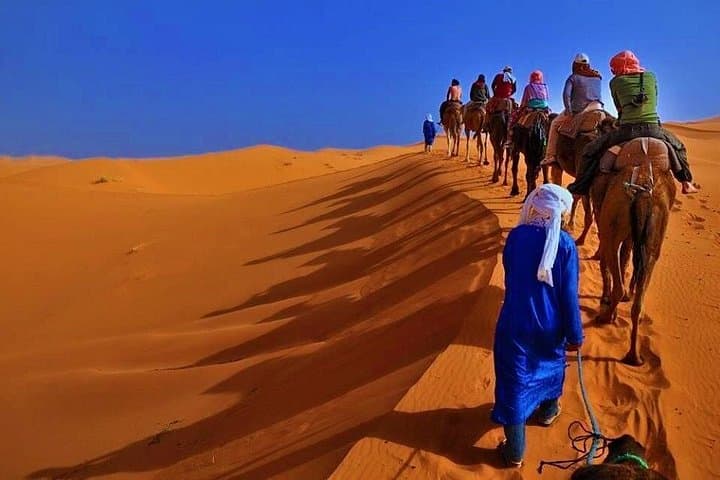
The practical rhythm is simple: driving blocks of 4–6 hours broken by short hikes and photo stops, a late-afternoon camel trek (included, approx. 2 hours) into the dunes, then dinner and sleep in a desert camp. Erg Chebbi’s dunes rise up to roughly 100–150 meters—sand slopes that demand secure footing and steady breathing when you climb them at sunrise.
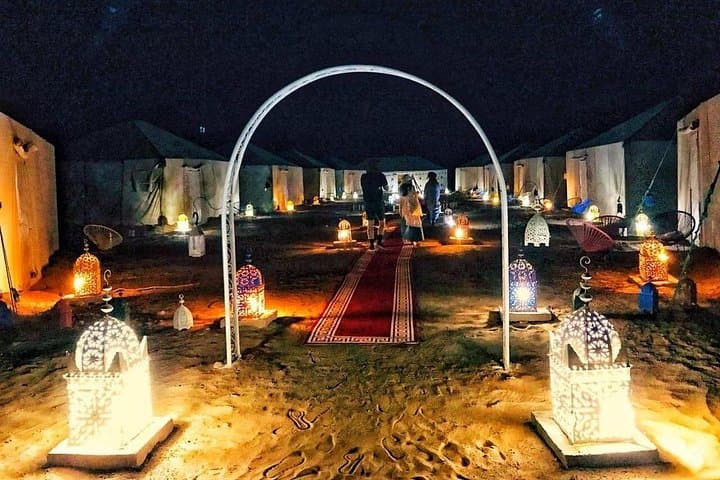
Expect basic but comfortable camp accommodations, local tajine dinners, and guides who know the desert’s timing.
Pack sun protection, layers for cold desert nights, plenty of water, and a headlamp. Travel days are long; bring snacks and patience for mountain roads. If you want quieter moments, aim for the sunrise dune ridge rather than sunset crowds. The trip balances landscape immersion with logistical ease—ideal if you want a concentrated Sahara experience without expedition-grade commitment.
Expect 8–10 hours of driving split across the itinerary with stops; the tour schedules these transfers over three days to include sightseeing and hikes.
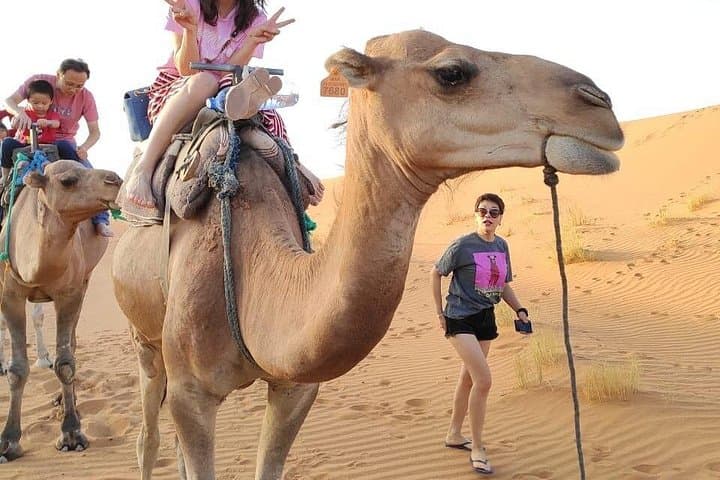
Camel rides are generally safe and included; handlers provide simple instructions and the company notes infant seats and stroller accessibility for very small children.
Camps are basic-to-comfortable with sleeping tents, dinner and breakfast included; facilities vary from private tents to shared wash areas depending on the operator.
Admission is typically arranged by the tour and often included; bring ID and modest clothing for visits to heritage sites.
Sahara Desert Crew operates guided outdoor trips and adventures with an emphasis on safety, stewardship, and memorable experiences.
You step out of an air-conditioned minivan into an expanse of shifting ochre under a sky that seems larger than the map indicated.
You step out of an air-conditioned minivan into an expanse of shifting ochre under a sky that seems larger than the map indicated.
This three-day route threads the High Atlas passes, ancient kasbahs, tight gorges and the broad sand sea of Erg Chebbi. Daylight pulls you over hairpin roads above valleys carved from volcanic and sedimentary rock; at Ait Ben Haddou the earthen fortifications recall trans-Saharan trade and 20th-century film crews who used its vertical streets as a set. The gorges that follow were milled by rivers that once pushed harder; today they dare you to walk narrow canyon floors and listen to the echo of water and wind.
The practical rhythm is simple: driving blocks of 4–6 hours broken by short hikes and photo stops, a late-afternoon camel trek (included, approx. 2 hours) into the dunes, then dinner and sleep in a desert camp. Erg Chebbi’s dunes rise up to roughly 100–150 meters—sand slopes that demand secure footing and steady breathing when you climb them at sunrise.
Expect basic but comfortable camp accommodations, local tajine dinners, and guides who know the desert’s timing.
Pack sun protection, layers for cold desert nights, plenty of water, and a headlamp. Travel days are long; bring snacks and patience for mountain roads. If you want quieter moments, aim for the sunrise dune ridge rather than sunset crowds. The trip balances landscape immersion with logistical ease—ideal if you want a concentrated Sahara experience without expedition-grade commitment.
