THE ADVENTURE COLLECTIVE® · Independent discovery and booking for outdoor travel

Drive over the High Atlas to kasbahs and deep gorges, then ride camels into the rolling Erg Chebbi dunes for an overnight under open stars. This three‑day loop mixes geology, Berber culture, and easy desert trekking.
Drive over the High Atlas to kasbahs and deep gorges, then ride camels into the rolling Erg Chebbi dunes for an overnight under open stars. This three‑day loop mixes geology, Berber culture, and easy desert trekking.
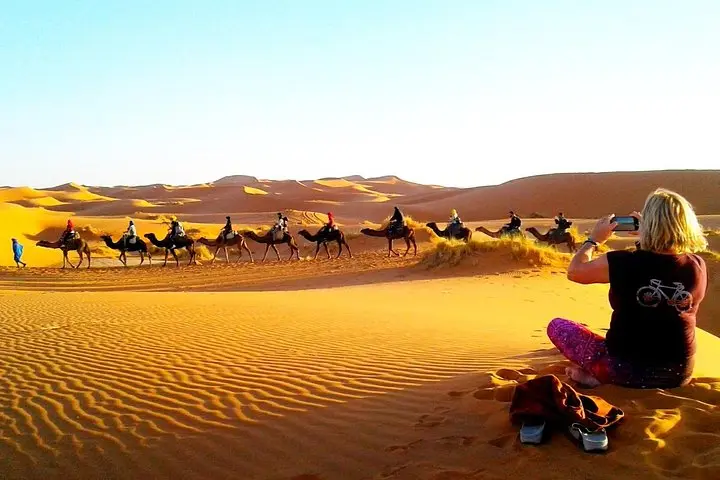
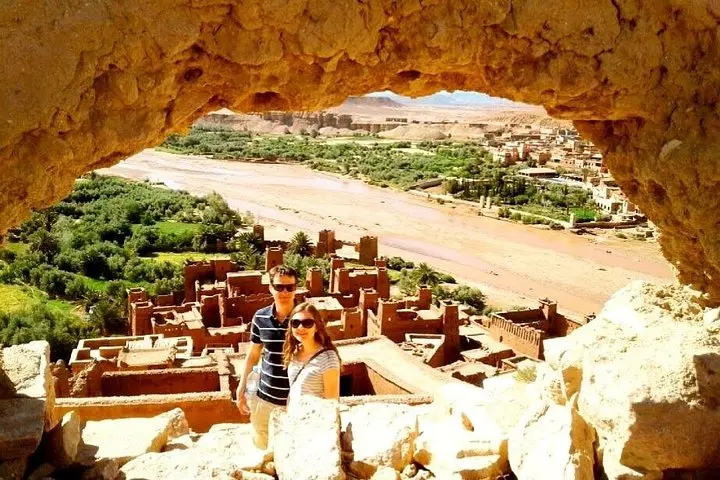
The first morning the road pulls you up and over the Tizi n’Tichka pass, the Atlas dropping away behind a chain of ochre villages. By afternoon, kasbahs rise from the valley floor like compact forts of sun-baked clay; by night, a camp in the Merzouga dunes turns the sky into a burning scatter of stars.
Verified experiences and guided adventures in the surrounding area.
Operated by astara tours · Merzouga, Drâa-Tafilalet
The first morning the road pulls you up and over the Tizi n’Tichka pass, the Atlas dropping away behind a chain of ochre villages. By afternoon, kasbahs rise from the valley floor like compact forts of sun-baked clay; by night, a camp in the Merzouga dunes turns the sky into a burning scatter of stars.
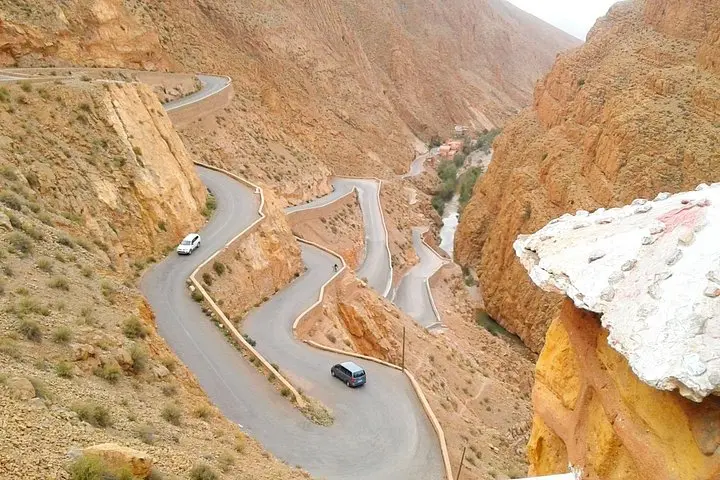
This 3‑day loop stitches together North African history and geology: the High Atlas carved from tectonic uplift, the Todra River carving 300‑meter limestone walls, and the Erg Chebbi dunes—wind-formed ridges of silica sand that shift seasonally. Culture threads through every stop—Aït Ben Haddou’s fortified ksar reflects centuries of caravan trade, while local Berber communities keep music, mint tea, and campfire storytelling alive.
Expect a mix of paved and rural driving (total distance each way around 500 km to Marrakech), short walks in the Todra Gorges, and roughly 1-hour camel treks into the dunes to reach the private desert camp. Nights alternate between a simple guesthouse in Dades and a high-quality Berber tent in Merzouga; mattresses and blankets are provided but temperatures swing widely from hot days to cold nights.
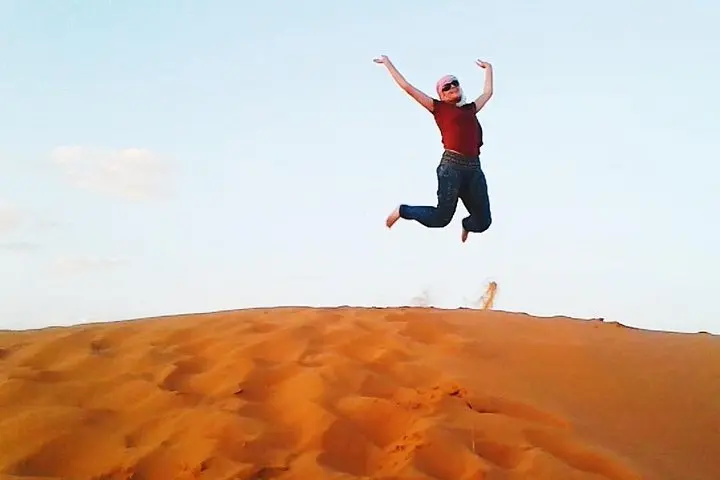
Practical notes: pack layered clothing, bring 2–3 liters of water per day, and wear closed-toe shoes for dune climbs and canyon walking. Sunrise and sunset on the highest dune crests are the photographic highlights and also the busiest moments—arrive early for quieter light. If you have heart or mobility concerns, check the camel option and road conditions over the High Atlas in winter. This itinerary balances immersive desert time with manageable travel each day, making it a realistic introduction to the Sahara for moderately fit travelers.
The camel ride is low-impact but the saddle can be bumpy; most people find one hour each way manageable—walks on foot up dunes are optional and more strenuous.
High-quality Berber tents with mattresses and blankets are provided; facilities are basic, dinners are communal and local music is often offered around a bonfire.
Yes—hotel pickup and drop-off are included for accessible locations; remote accommodations may require a nearby meeting point agreed at booking.
Winter can bring near-freezing nights and occasional snow at the Tizi n’Tichka pass; sandstorms are seasonal—operators monitor conditions and may alter routes for safety.
astara tours operates guided outdoor trips and adventures with an emphasis on safety, stewardship, and memorable experiences.
The first morning the road pulls you up and over the Tizi n’Tichka pass, the Atlas dropping away behind a chain of ochre villages. By afternoon, kasbahs rise from the valley floor like compact forts of sun-baked clay; by night, a camp in the Merzouga dunes turns the sky into a burning scatter of stars.
The first morning the road pulls you up and over the Tizi n’Tichka pass, the Atlas dropping away behind a chain of ochre villages. By afternoon, kasbahs rise from the valley floor like compact forts of sun-baked clay; by night, a camp in the Merzouga dunes turns the sky into a burning scatter of stars.
This 3‑day loop stitches together North African history and geology: the High Atlas carved from tectonic uplift, the Todra River carving 300‑meter limestone walls, and the Erg Chebbi dunes—wind-formed ridges of silica sand that shift seasonally. Culture threads through every stop—Aït Ben Haddou’s fortified ksar reflects centuries of caravan trade, while local Berber communities keep music, mint tea, and campfire storytelling alive.
Expect a mix of paved and rural driving (total distance each way around 500 km to Marrakech), short walks in the Todra Gorges, and roughly 1-hour camel treks into the dunes to reach the private desert camp. Nights alternate between a simple guesthouse in Dades and a high-quality Berber tent in Merzouga; mattresses and blankets are provided but temperatures swing widely from hot days to cold nights.
Practical notes: pack layered clothing, bring 2–3 liters of water per day, and wear closed-toe shoes for dune climbs and canyon walking. Sunrise and sunset on the highest dune crests are the photographic highlights and also the busiest moments—arrive early for quieter light. If you have heart or mobility concerns, check the camel option and road conditions over the High Atlas in winter. This itinerary balances immersive desert time with manageable travel each day, making it a realistic introduction to the Sahara for moderately fit travelers.