THE ADVENTURE COLLECTIVE® · Independent discovery and booking for outdoor travel

Walk from M’Hamid’s palm groves into towering dunes and across the stony hamada on a three-day camel-led trek. Expect cold midday meals in shade, nights in traditional kheimas and fossil-strewn plains.
Walk from M’Hamid’s palm groves into towering dunes and across the stony hamada on a three-day camel-led trek. Expect cold midday meals in shade, nights in traditional kheimas and fossil-strewn plains.
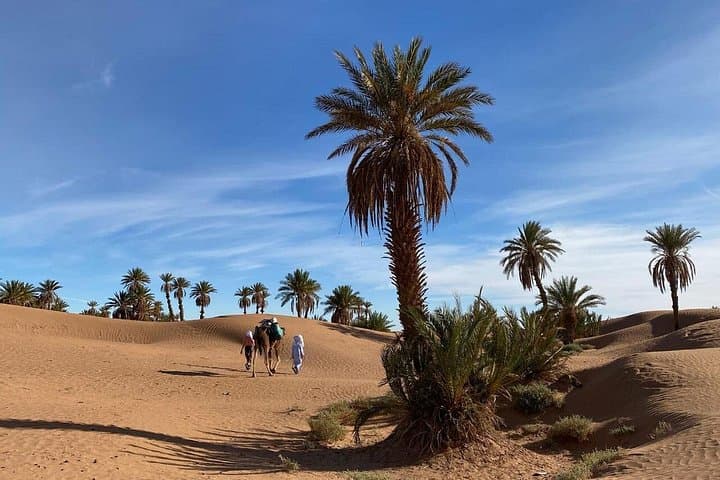
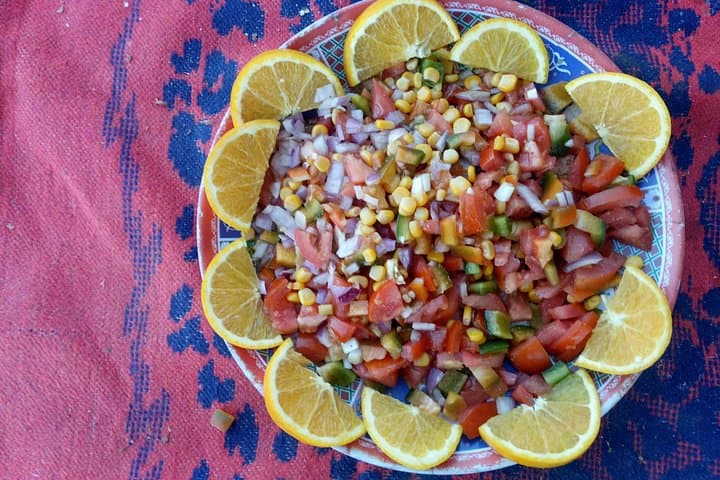
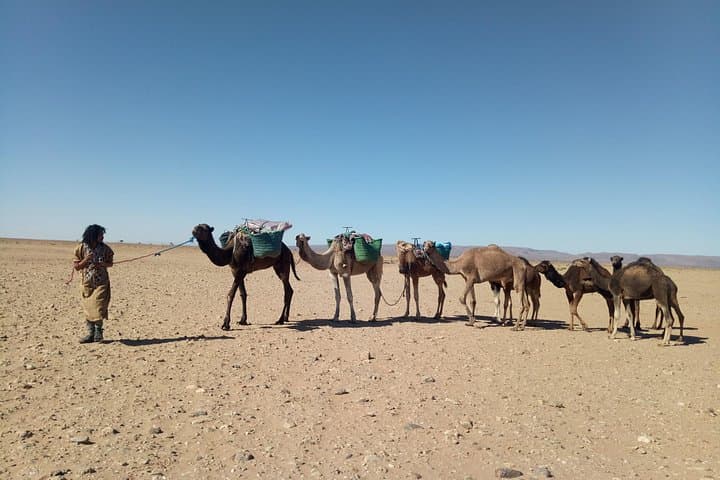
Dawn spills slowly over a narrow palm grove as your caravan of camels shuffles out of M’Hamid El Ghizlane. The palms throw long, cool shadows; the sand heats the air and the convoy—guides, cooks and camel drivers—sets the day’s rhythm. You break for a cold midday meal beneath fronds, then push toward Marabout Sidi Naji, where the bivouac is set and the fire takes over the light.
Verified experiences and guided adventures in the surrounding area.
Operated by L'oiseau du désert · M'Hamid El Ghizlane, Drâa-Tafilalet
Dawn spills slowly over a narrow palm grove as your caravan of camels shuffles out of M’Hamid El Ghizlane. The palms throw long, cool shadows; the sand heats the air and the convoy—guides, cooks and camel drivers—sets the day’s rhythm. You break for a cold midday meal beneath fronds, then push toward Marabout Sidi Naji, where the bivouac is set and the fire takes over the light.
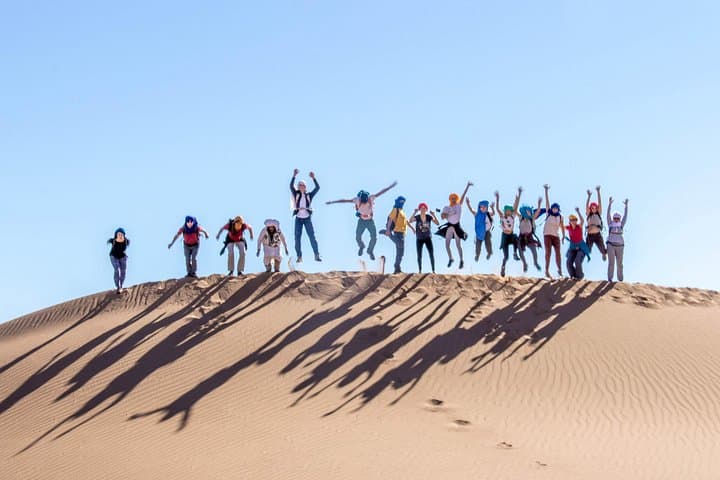
This three-day route threads together cultural history and stark geology. The palm groves are the last irrigated outposts before the true Sahara; dunes at Bertham shift with wind and memory, while the hamada is an expanse of packed stone that often yields fossils and flint. You’ll pass traditional wells—social crossroads for nomads—and trace routes used for generations by the Nouajis and other tribes.
Expect long walking days (most travel on foot led by camel support), nights in kheimas or under the stars, and meals cooked over wood fires. Terrain alternates packed sand, dune slopes and stony hamada plains; elevation change is minimal but sand walking is energy-sapping.
Practical edge: bring a high-capacity water system, sun protection, warm layers for desert nights, and sturdy boots that keep sand out. Travel light, protect gear from dust, and plan arrivals in M’Hamid to sync with your pickup. The trek balances quiet desert time with tangible cultural encounters—ideal for hikers who want slow, immersive travel rather than technical challenge.
Moderate—daily walking over sand and uneven hamada requires good stamina, but routes avoid technical climbing.
Nights are spent in traditional kheima tents or under stars; bedding and basic sleeping equipment are provided by the operator.
Children with good stamina can join, but operator policies and safety considerations vary—check age limits and booking questions before reserving.
Most travelers reach M’Hamid by road from Zagora or Ouarzazate; the operator often arranges pickup—confirm transfer details at booking.
L'oiseau du désert operates guided outdoor trips and adventures with an emphasis on safety, stewardship, and memorable experiences.
Dawn spills slowly over a narrow palm grove as your caravan of camels shuffles out of M’Hamid El Ghizlane. The palms throw long, cool shadows; the sand heats the air and the convoy—guides, cooks and camel drivers—sets the day’s rhythm. You break for a cold midday meal beneath fronds, then push toward Marabout Sidi Naji, where the bivouac is set and the fire takes over the light.
Dawn spills slowly over a narrow palm grove as your caravan of camels shuffles out of M’Hamid El Ghizlane. The palms throw long, cool shadows; the sand heats the air and the convoy—guides, cooks and camel drivers—sets the day’s rhythm. You break for a cold midday meal beneath fronds, then push toward Marabout Sidi Naji, where the bivouac is set and the fire takes over the light.
This three-day route threads together cultural history and stark geology. The palm groves are the last irrigated outposts before the true Sahara; dunes at Bertham shift with wind and memory, while the hamada is an expanse of packed stone that often yields fossils and flint. You’ll pass traditional wells—social crossroads for nomads—and trace routes used for generations by the Nouajis and other tribes.
Expect long walking days (most travel on foot led by camel support), nights in kheimas or under the stars, and meals cooked over wood fires. Terrain alternates packed sand, dune slopes and stony hamada plains; elevation change is minimal but sand walking is energy-sapping.
Practical edge: bring a high-capacity water system, sun protection, warm layers for desert nights, and sturdy boots that keep sand out. Travel light, protect gear from dust, and plan arrivals in M’Hamid to sync with your pickup. The trek balances quiet desert time with tangible cultural encounters—ideal for hikers who want slow, immersive travel rather than technical challenge.