THE ADVENTURE COLLECTIVE® · Independent discovery and booking for outdoor travel

Three days of western Turkey compress geology, history and gentle adventure: turquoise Salda Lake, the white travertines and thermal pools of Pamukkale, and the marble avenues of Ephesus. This short guide lays out what to expect and how to prepare.
Three days of western Turkey compress geology, history and gentle adventure: turquoise Salda Lake, the white travertines and thermal pools of Pamukkale, and the marble avenues of Ephesus. This short guide lays out what to expect and how to prepare.
The first light finds Salda Lake a shock of blues: glassy shallows push against a rim of soft white sand that dares you to set a footprint. On day one travelers move from airport tarmac into mountain air, an immediate reminder that western Turkey pairs sharp geology with human history.
Verified experiences and guided adventures in the surrounding area.
Operated by Turkey Experiences · Pamukkale, Denizli
The first light finds Salda Lake a shock of blues: glassy shallows push against a rim of soft white sand that dares you to set a footprint. On day one travelers move from airport tarmac into mountain air, an immediate reminder that western Turkey pairs sharp geology with human history.
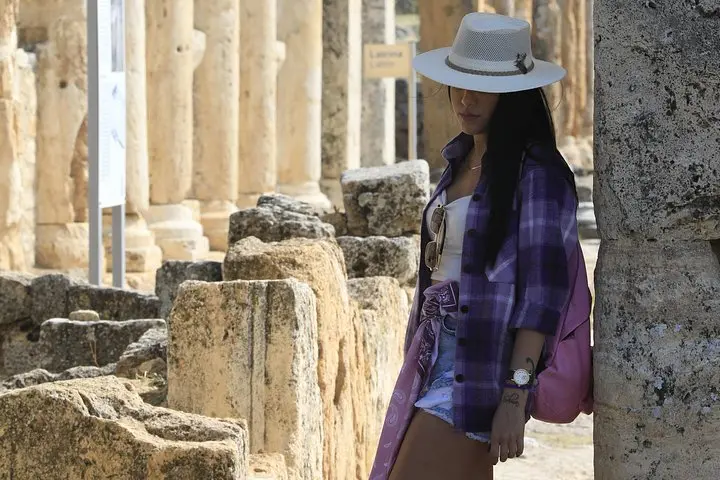
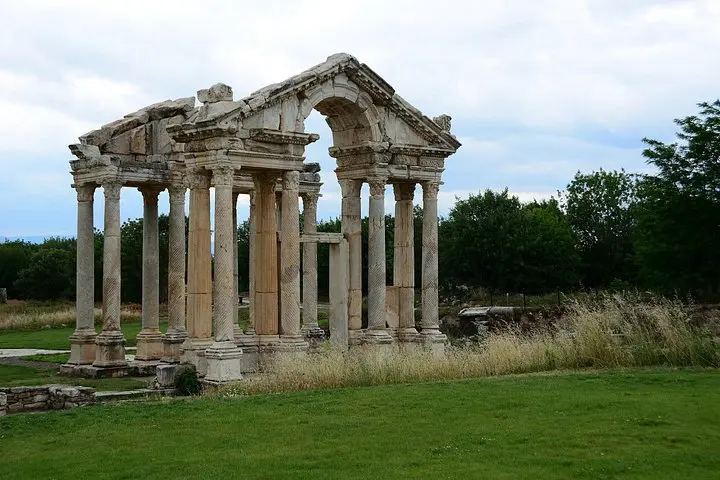
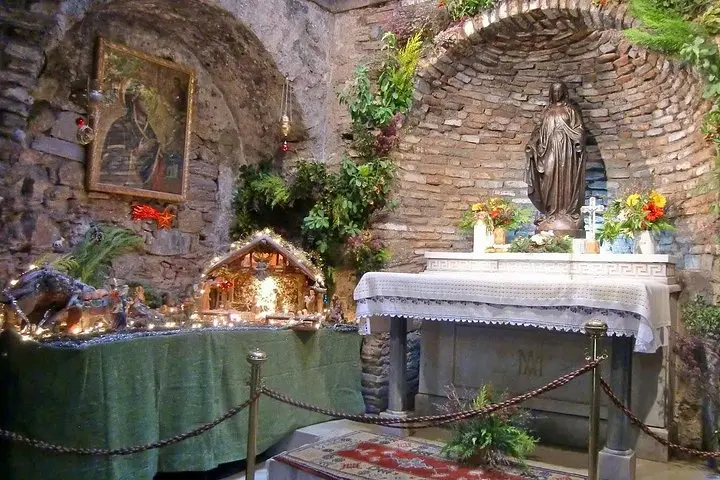
Over the next two days the itinerary shifts gears—Pamukkale’s terraces are calcium-rich ledges built by hot springs that have deposited travertine for millennia, their warm pools still steaming where Roman baths once gathered. Above the white steps, Hierapolis spreads a grid of columns, necropolis and theater; the stones here carry the marks of Roman engineering and Christian pilgrimage. Ephesus then widens the story: the marble Celsus Library, broad marble streets and the place long linked to early Christian history and the Temple of Artemis.
Local culture threads the trip—small cooperative workshops, Turkish lunches, and the guarded pride in sacred and archaeological sites. Practicalities shape enjoyment: the travertines prohibit shoes (you’ll walk barefoot on cool, wet calcium surfaces), and the Antique (Cleopatra) pool often levies an extra fee. Domestic flights link Denizli, Izmir and Istanbul; light luggage and passport details are required in advance.
Plan for sun, quick temperature swings and cobbled streets—good footwear for ruins, sandals for Salda, a refillable water bottle and a camera with polarizer. Travel early in the day to avoid crowds and leave room for the optional paragliding or a quiet swim in mineral-rich springs—both ways to sense why this region has drawn visitors for centuries.
You can bathe in designated thermal pools; walking on the travertines is done barefoot but not all pools allow swimming—the Antique/Cleopatra pool typically charges an extra fee.
Yes—domestic flights (Istanbul–Denizli and Izmir–Istanbul or Izmir–Cappadocia option) are included per the package; passport details may be required to issue tickets.
Paragliding in Pamukkale is an optional add-on and costs extra; it requires suitable weather and additional booking through the operator.
The Turkish lira is used for local purchases; tipping 5–10% in restaurants and small change for guides/drivers is customary but discretionary.
Turkey Experiences operates guided outdoor trips and adventures with an emphasis on safety, stewardship, and memorable experiences.
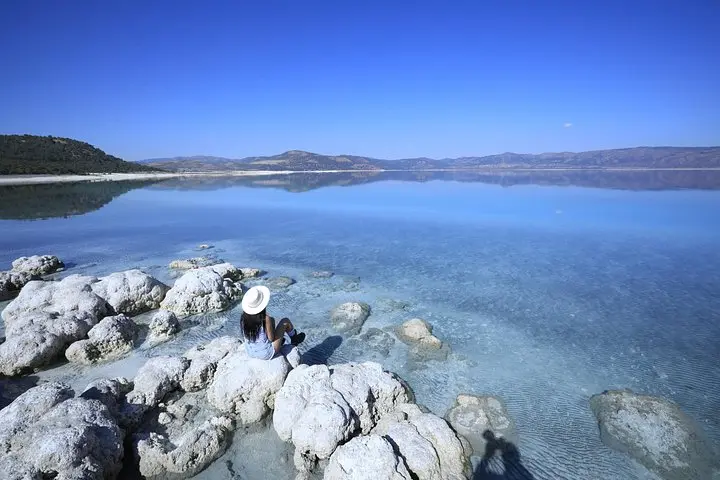
The first light finds Salda Lake a shock of blues: glassy shallows push against a rim of soft white sand that dares you to set a footprint. On day one travelers move from airport tarmac into mountain air, an immediate reminder that western Turkey pairs sharp geology with human history.
The first light finds Salda Lake a shock of blues: glassy shallows push against a rim of soft white sand that dares you to set a footprint. On day one travelers move from airport tarmac into mountain air, an immediate reminder that western Turkey pairs sharp geology with human history.
Over the next two days the itinerary shifts gears—Pamukkale’s terraces are calcium-rich ledges built by hot springs that have deposited travertine for millennia, their warm pools still steaming where Roman baths once gathered. Above the white steps, Hierapolis spreads a grid of columns, necropolis and theater; the stones here carry the marks of Roman engineering and Christian pilgrimage. Ephesus then widens the story: the marble Celsus Library, broad marble streets and the place long linked to early Christian history and the Temple of Artemis.
Local culture threads the trip—small cooperative workshops, Turkish lunches, and the guarded pride in sacred and archaeological sites. Practicalities shape enjoyment: the travertines prohibit shoes (you’ll walk barefoot on cool, wet calcium surfaces), and the Antique (Cleopatra) pool often levies an extra fee. Domestic flights link Denizli, Izmir and Istanbul; light luggage and passport details are required in advance.
Plan for sun, quick temperature swings and cobbled streets—good footwear for ruins, sandals for Salda, a refillable water bottle and a camera with polarizer. Travel early in the day to avoid crowds and leave room for the optional paragliding or a quiet swim in mineral-rich springs—both ways to sense why this region has drawn visitors for centuries.