THE ADVENTURE COLLECTIVE® · Independent discovery and booking for outdoor travel

A compact three-day circuit from Salta that stitches Cafayate’s vineyards, the sculpted canyons of the Quebrada de las Conchas, UNESCO-listed Humahuaca towns and the bright expanse of Salinas Grandes into a single scenic run. Expect long drives, short walks, winery tasting and high-altitude photo stops.
A compact three-day circuit from Salta that stitches Cafayate’s vineyards, the sculpted canyons of the Quebrada de las Conchas, UNESCO-listed Humahuaca towns and the bright expanse of Salinas Grandes into a single scenic run. Expect long drives, short walks, winery tasting and high-altitude photo stops.
You step off an air-conditioned coach into thin, bright light — the valley smells of dust, earth, and a hint of fermenting grape skins. Over three days the road becomes a companion: it snakes through the red-brown ribs of the Quebrada de las Conchas, climbs the Cuesta de Lipán to puna at 4,170 m, then drops into adobe towns where bell towers mark market hours.
Verified experiences and guided adventures in the surrounding area.
Operated by La Quebrada Turismo · Salta, Salta
You step off an air-conditioned coach into thin, bright light — the valley smells of dust, earth, and a hint of fermenting grape skins. Over three days the road becomes a companion: it snakes through the red-brown ribs of the Quebrada de las Conchas, climbs the Cuesta de Lipán to puna at 4,170 m, then drops into adobe towns where bell towers mark market hours.
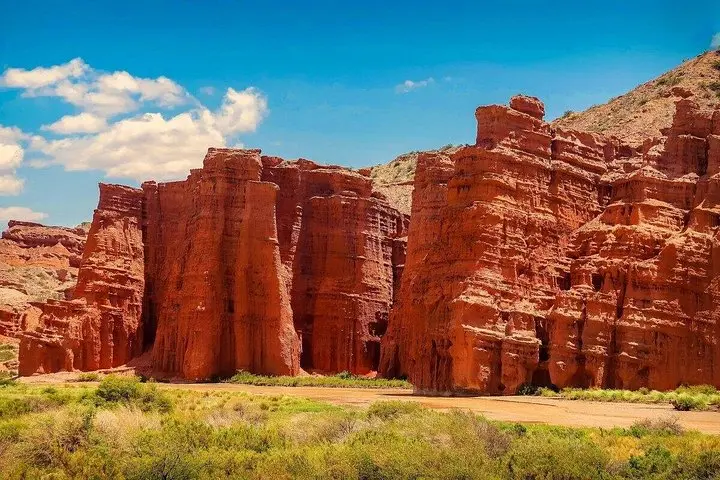
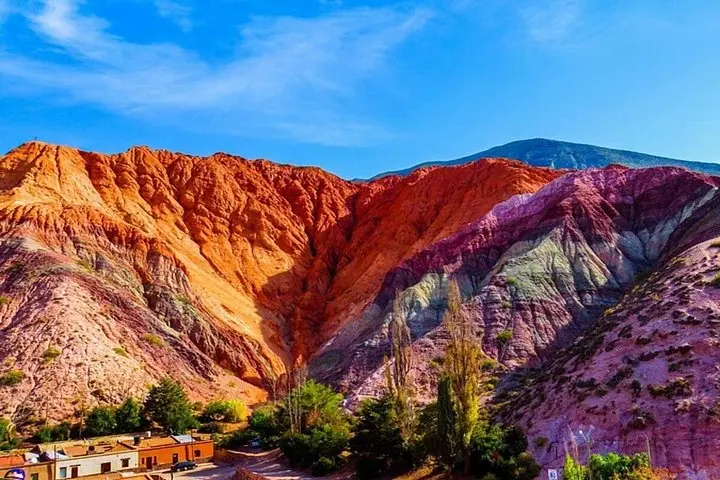
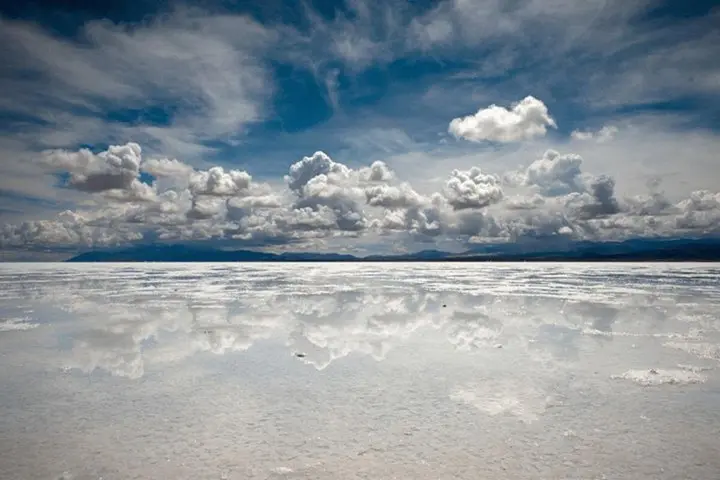
Geology writes the itinerary here: wind and water have carved amphitheaters, windows, and obelisks from soft sedimentary layers; salt plains flatten the horizon at Salinas Grandes; the Hill of Seven Colors at Purmamarca is a compressed record of ancient seas and mountain-building. Culturally the route threads colonial Cafayate — a small wine capital centered on Torrontés and Malbec — with highland Quebrada towns like Tilcara and Humahuaca, areas with indigenous traditions recognized by UNESCO for their living cultural landscape.
Expect mostly vehicle travel with short walks, photo stops and winery visits. Days include multiple technical stops, free time for lunch, and opportunities to climb short viewpoints or explore cobbled streets. Sun is intense at altitude; mornings and late afternoons offer the best light and cooler temperatures. Hydrate between stops, layer for wide temperature swings, and budget time for altitude sensations — shortness of breath and fatigue are common above 3,000–4,000 m.
Practical: bring a daypack, sunscreen, comfortable walking shoes, and a photocopy of passport for entry formalities. Early departures maximize color at Purmamarca and minimize wind on the salt flats.
The tour is primarily vehicle-based with short walks and photo stops; physical demand is low but altitude can increase exertion.
Yes — the itinerary includes free time in Cafayate and Purmamarca to buy lunch and explore; meals are not typically included.
Some travelers experience mild symptoms above 3,000 m; hydrate, avoid alcohol before high passes and notify guides if you feel unwell.
The tour includes entrance to a winery and a tasting in Cafayate, but additional purchases at vineyards or restaurants are extra.
La Quebrada Turismo operates guided outdoor trips and adventures with an emphasis on safety, stewardship, and memorable experiences.
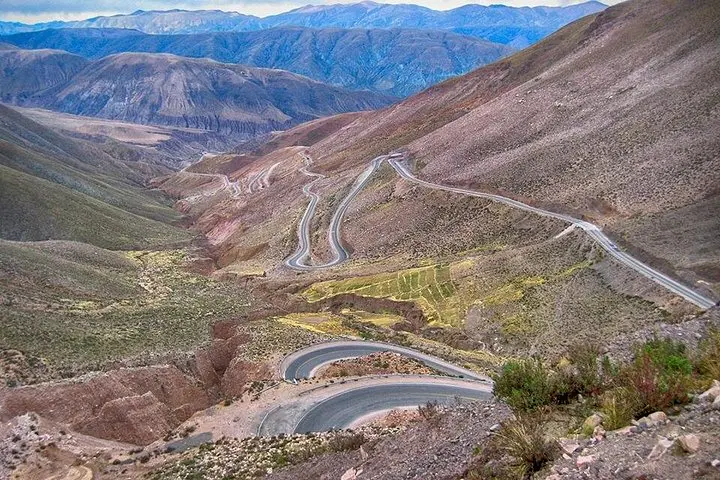
You step off an air-conditioned coach into thin, bright light — the valley smells of dust, earth, and a hint of fermenting grape skins. Over three days the road becomes a companion: it snakes through the red-brown ribs of the Quebrada de las Conchas, climbs the Cuesta de Lipán to puna at 4,170 m, then drops into adobe towns where bell towers mark market hours.
You step off an air-conditioned coach into thin, bright light — the valley smells of dust, earth, and a hint of fermenting grape skins. Over three days the road becomes a companion: it snakes through the red-brown ribs of the Quebrada de las Conchas, climbs the Cuesta de Lipán to puna at 4,170 m, then drops into adobe towns where bell towers mark market hours.
Geology writes the itinerary here: wind and water have carved amphitheaters, windows, and obelisks from soft sedimentary layers; salt plains flatten the horizon at Salinas Grandes; the Hill of Seven Colors at Purmamarca is a compressed record of ancient seas and mountain-building. Culturally the route threads colonial Cafayate — a small wine capital centered on Torrontés and Malbec — with highland Quebrada towns like Tilcara and Humahuaca, areas with indigenous traditions recognized by UNESCO for their living cultural landscape.
Expect mostly vehicle travel with short walks, photo stops and winery visits. Days include multiple technical stops, free time for lunch, and opportunities to climb short viewpoints or explore cobbled streets. Sun is intense at altitude; mornings and late afternoons offer the best light and cooler temperatures. Hydrate between stops, layer for wide temperature swings, and budget time for altitude sensations — shortness of breath and fatigue are common above 3,000–4,000 m.
Practical: bring a daypack, sunscreen, comfortable walking shoes, and a photocopy of passport for entry formalities. Early departures maximize color at Purmamarca and minimize wind on the salt flats.