THE ADVENTURE COLLECTIVE® · Independent discovery and booking for outdoor travel

A three-day loop from Nairobi into Samburu National Reserve where dry-country specialists like Grevy’s zebra and reticulated giraffe gather along the Ewaso Nyiro. Expect morning and afternoon game drives, riverine birdlife, and lodge-based comfort between long, intimate wildlife encounters.
A three-day loop from Nairobi into Samburu National Reserve where dry-country specialists like Grevy’s zebra and reticulated giraffe gather along the Ewaso Nyiro. Expect morning and afternoon game drives, riverine birdlife, and lodge-based comfort between long, intimate wildlife encounters.
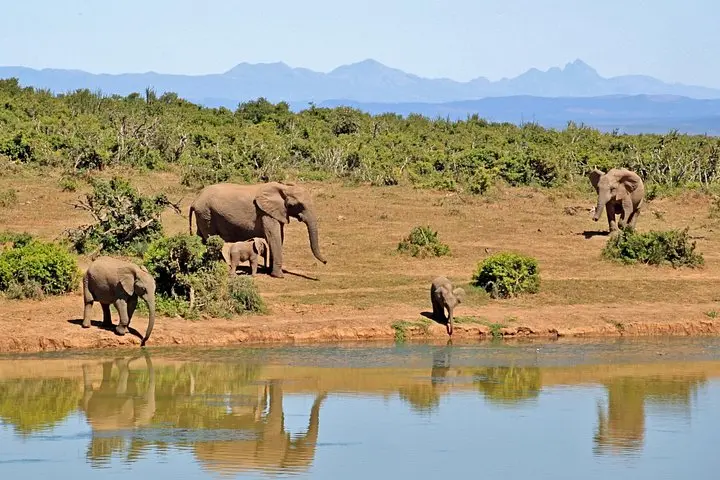
The morning light here is harsh and honest — ochre plains cracked by sun, a braided ribbon of the Ewaso Nyiro daring you downriver. On arrival the land changes: dry acacia flats give way to riverine forest and rocky kopjes where reticulated giraffes pick at thorny branches and the rare Grevy’s zebra moves like a pageant across the horizon.
Verified experiences and guided adventures in the surrounding area.
Operated by Shoor Safaris Kenya · Archer's Post, Samburu County
The morning light here is harsh and honest — ochre plains cracked by sun, a braided ribbon of the Ewaso Nyiro daring you downriver. On arrival the land changes: dry acacia flats give way to riverine forest and rocky kopjes where reticulated giraffes pick at thorny branches and the rare Grevy’s zebra moves like a pageant across the horizon.
Samburu sits in Kenya’s northern circuit, a semi-arid reserve shaped by volcanic rock and seasonal floods from the Ewaso Nyiro. The reserve protects species adapted to drier habitats and has long been home to the Samburu people, whose pastoral culture and seasonal rhythms still shape the area’s water use and grazing patterns.
Expect game drives timed to light — dawn and late afternoon — with long midday rests at the lodge. Drives navigate dusty tracks, river crossings and low ridgelines; distances are measured in hours rather than miles and sightings are often unhurried. Guides interpret spoor and birdcalls (Somali ostrich and sociable weavers are common), and you’ll pass communities where camels and goats graze.
Practical notes: bring neutral, breathable layers for temperature swings, a sturdy pair of binoculars, and sun protection. Vehicles have roof hatches for photography but can be bumpy; keep cameras secured. Malaria precautions and up-to-date vaccinations are recommended. Travel time from Nairobi is roughly five to six hours by road; flights to nearby airstrips save time.
This safari pairs accessible wildlife encounters with a raw, arid landscape — ideal for travelers who want close game-viewing without strenuous hiking.
Most tours drive approximately five to six hours along the A2 road; scheduled charter flights to nearby airstrips cut travel time to about one hour.
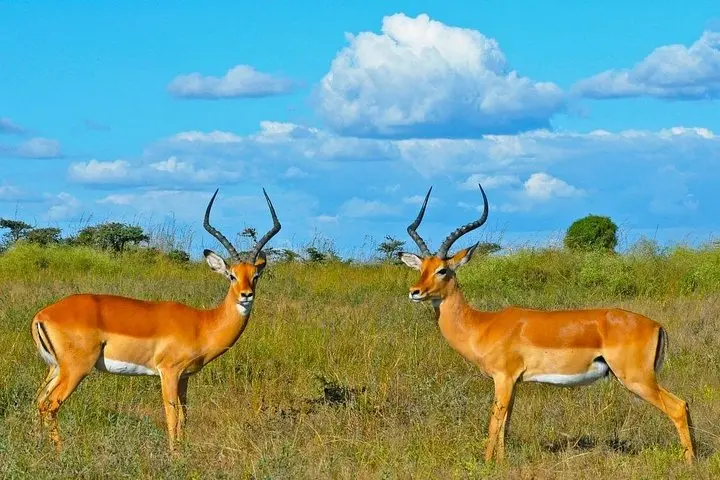
Samburu is known for dry-country species like Grevy’s zebra, reticulated giraffe, Somali ostrich, gerenuk and Beisa oryx that are less common in southern parks.
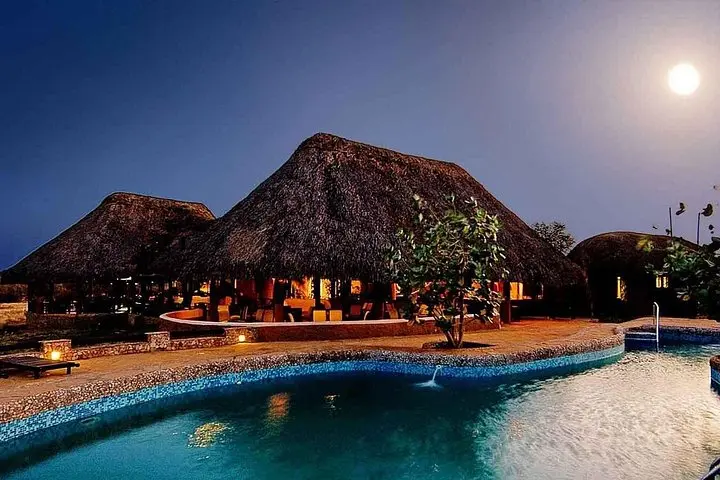
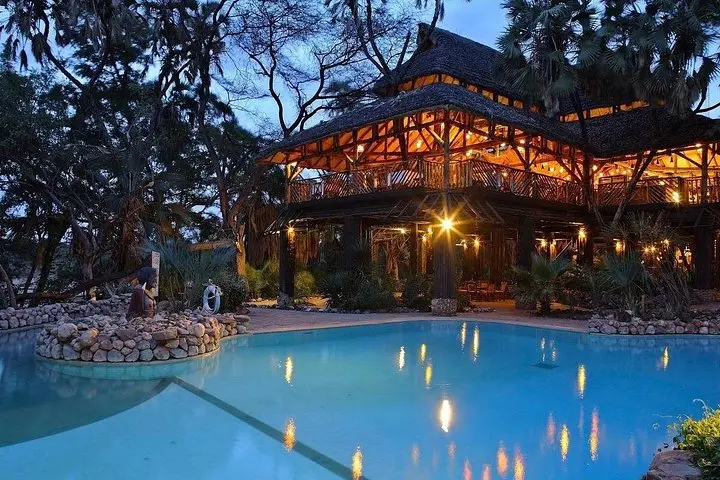
Tours typically include full-board accommodation at safari lodges with breakfast, lunch and dinner provided; lodges offer pools and rest between drives.
Yes—Samburu is in a malaria-risk area; consult a travel clinic for prophylaxis and carry insect repellent and long sleeves for evenings.
Shoor Safaris Kenya operates guided outdoor trips and adventures with an emphasis on safety, stewardship, and memorable experiences.
The morning light here is harsh and honest — ochre plains cracked by sun, a braided ribbon of the Ewaso Nyiro daring you downriver. On arrival the land changes: dry acacia flats give way to riverine forest and rocky kopjes where reticulated giraffes pick at thorny branches and the rare Grevy’s zebra moves like a pageant across the horizon.
The morning light here is harsh and honest — ochre plains cracked by sun, a braided ribbon of the Ewaso Nyiro daring you downriver. On arrival the land changes: dry acacia flats give way to riverine forest and rocky kopjes where reticulated giraffes pick at thorny branches and the rare Grevy’s zebra moves like a pageant across the horizon.
Samburu sits in Kenya’s northern circuit, a semi-arid reserve shaped by volcanic rock and seasonal floods from the Ewaso Nyiro. The reserve protects species adapted to drier habitats and has long been home to the Samburu people, whose pastoral culture and seasonal rhythms still shape the area’s water use and grazing patterns.
Expect game drives timed to light — dawn and late afternoon — with long midday rests at the lodge. Drives navigate dusty tracks, river crossings and low ridgelines; distances are measured in hours rather than miles and sightings are often unhurried. Guides interpret spoor and birdcalls (Somali ostrich and sociable weavers are common), and you’ll pass communities where camels and goats graze.
Practical notes: bring neutral, breathable layers for temperature swings, a sturdy pair of binoculars, and sun protection. Vehicles have roof hatches for photography but can be bumpy; keep cameras secured. Malaria precautions and up-to-date vaccinations are recommended. Travel time from Nairobi is roughly five to six hours by road; flights to nearby airstrips save time.
This safari pairs accessible wildlife encounters with a raw, arid landscape — ideal for travelers who want close game-viewing without strenuous hiking.