THE ADVENTURE COLLECTIVE® · Independent discovery and booking for outdoor travel

Three days of highland trails, village life and a cable-car ride to Fansipan’s near-summit—this tour combines accessible trekking with strong cultural encounters in Sapa. Expect terraced rice fields, ethnic markets and panoramic viewpoints.
Three days of highland trails, village life and a cable-car ride to Fansipan’s near-summit—this tour combines accessible trekking with strong cultural encounters in Sapa. Expect terraced rice fields, ethnic markets and panoramic viewpoints.
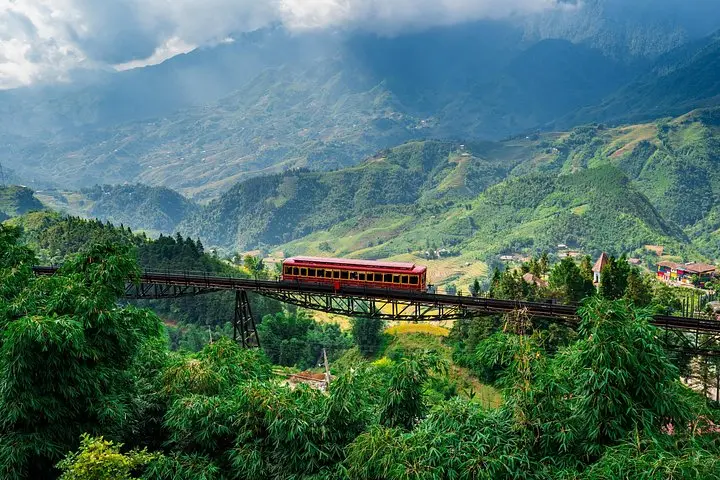
Fog lifts off the Hoang Lien Son as the sleeper bus unwinds from Hanoi into a cooler, highland air. By midafternoon you step into Sapa’s stone streets, pockets of color from H’mong and Dzao garments moving against terraces that descend like carved steps into the Muong Hoa Valley.
Verified experiences and guided adventures in the surrounding area.
Operated by Up Travel Vietnam · Sapa, Lao Cai
Fog lifts off the Hoang Lien Son as the sleeper bus unwinds from Hanoi into a cooler, highland air. By midafternoon you step into Sapa’s stone streets, pockets of color from H’mong and Dzao garments moving against terraces that descend like carved steps into the Muong Hoa Valley.
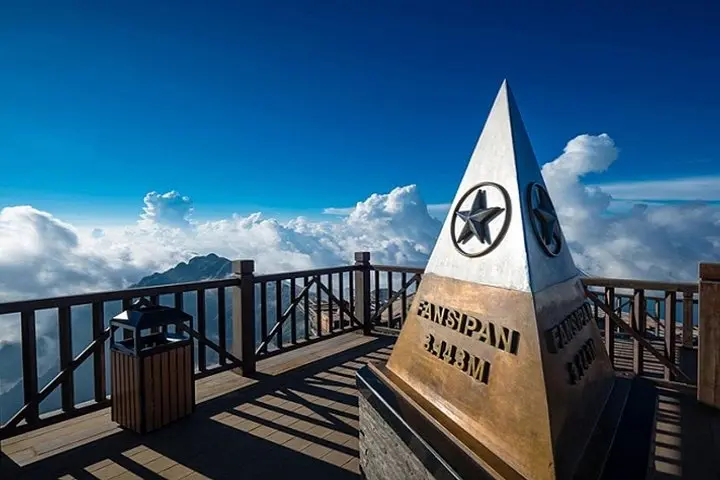
This three-day itinerary threads culture and peak country: an easy village trek to Cat Cat, the cable-car ascent toward Fansipan’s 3,143 m crown, and a short, scenic walk to the photographic Moana View. Geologically the range is young and steep—granite and metamorphic rock uplifted by tectonic collisions—creating the abrupt ridgelines and deep valleys that farmers have contoured into rice terraces for centuries.
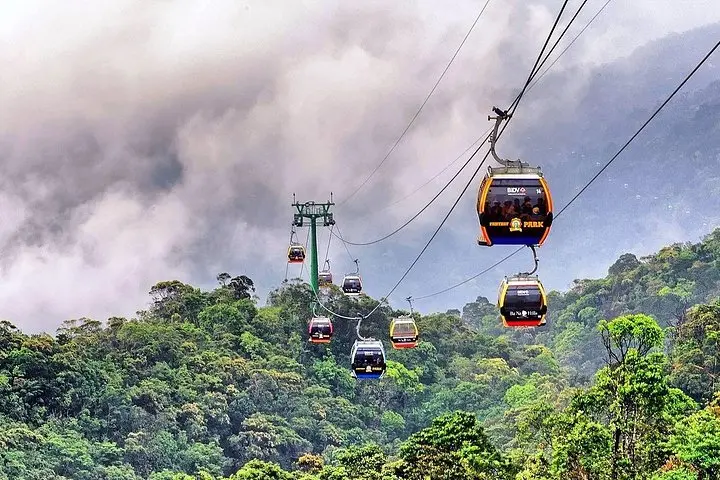
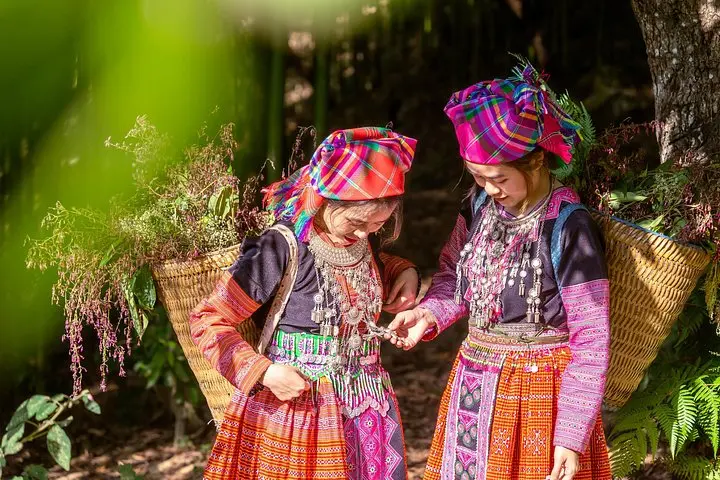
Culturally, the area is home to H’mong, Dzao and Tay communities; village life centers on weaving, seasonal planting and local markets where produce and handicrafts are bartered. The cable car eases much of the mountain’s technical difficulty: it deposits you near 2,800 m, but expect roughly 600 stone steps and thin air on the final push to the summit.
Practical guidance: pace the Fansipan steps, carry 1–2 liters of water, and use layers—temperatures swing widely between town and summit. Footwear should be sturdy enough for wet, uneven village trails; rain is possible any month. Plan clothing and camera batteries for strong daytime light and chilly evenings, and give yourself time to enjoy Moana View’s installations and Sapa’s local eateries. This tour balances accessible trekking with highland scenery and local culture—great for travelers seeking a compact, adventure-focused introduction to northern Vietnam.
The cable car brings you to roughly 2,800 m; the final ascent involves about 600 steps and short steep sections—physically demanding but non-technical.
Meals listed in the itinerary (breakfast, lunches and some dinners) and 2-night hotel accommodation in Sapa are included as stated in the itinerary.
Expect about 6–8 hours by sleeper bus depending on traffic and stops; the booking uses overnight or daytime sleeper bus service.
The itinerary is marked 'physically easy' for general fitness, but the Fansipan steps may be strenuous—consider mobility and altitude tolerance when booking.
Up Travel Vietnam operates guided outdoor trips and adventures with an emphasis on safety, stewardship, and memorable experiences.
Fog lifts off the Hoang Lien Son as the sleeper bus unwinds from Hanoi into a cooler, highland air. By midafternoon you step into Sapa’s stone streets, pockets of color from H’mong and Dzao garments moving against terraces that descend like carved steps into the Muong Hoa Valley.
Fog lifts off the Hoang Lien Son as the sleeper bus unwinds from Hanoi into a cooler, highland air. By midafternoon you step into Sapa’s stone streets, pockets of color from H’mong and Dzao garments moving against terraces that descend like carved steps into the Muong Hoa Valley.
This three-day itinerary threads culture and peak country: an easy village trek to Cat Cat, the cable-car ascent toward Fansipan’s 3,143 m crown, and a short, scenic walk to the photographic Moana View. Geologically the range is young and steep—granite and metamorphic rock uplifted by tectonic collisions—creating the abrupt ridgelines and deep valleys that farmers have contoured into rice terraces for centuries.
Culturally, the area is home to H’mong, Dzao and Tay communities; village life centers on weaving, seasonal planting and local markets where produce and handicrafts are bartered. The cable car eases much of the mountain’s technical difficulty: it deposits you near 2,800 m, but expect roughly 600 stone steps and thin air on the final push to the summit.
Practical guidance: pace the Fansipan steps, carry 1–2 liters of water, and use layers—temperatures swing widely between town and summit. Footwear should be sturdy enough for wet, uneven village trails; rain is possible any month. Plan clothing and camera batteries for strong daytime light and chilly evenings, and give yourself time to enjoy Moana View’s installations and Sapa’s local eateries. This tour balances accessible trekking with highland scenery and local culture—great for travelers seeking a compact, adventure-focused introduction to northern Vietnam.