THE ADVENTURE COLLECTIVE® · Independent discovery and booking for outdoor travel

Spend three days trekking the Muong Hoa Valley from Sapa—rice terraces, bamboo forest paths and homestays with H’mong and Dzay families. This loop combines cultural exchange with steady hiking and simple village accommodation.
Spend three days trekking the Muong Hoa Valley from Sapa—rice terraces, bamboo forest paths and homestays with H’mong and Dzay families. This loop combines cultural exchange with steady hiking and simple village accommodation.
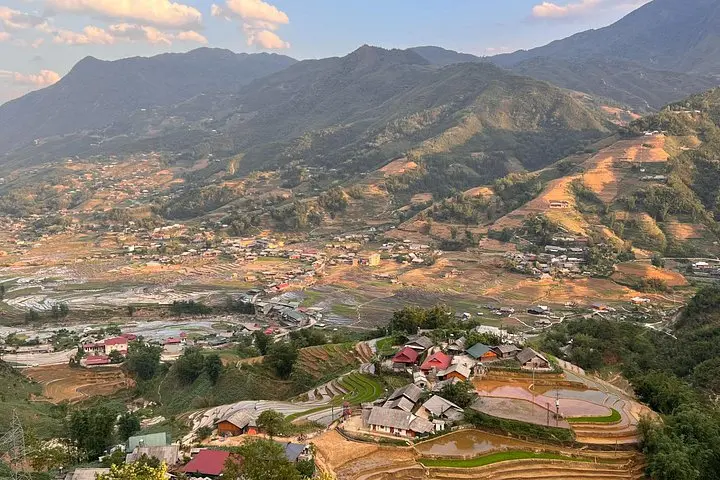
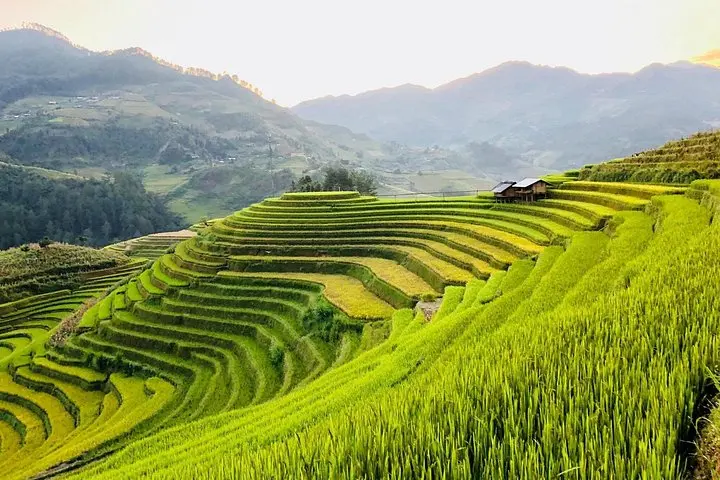
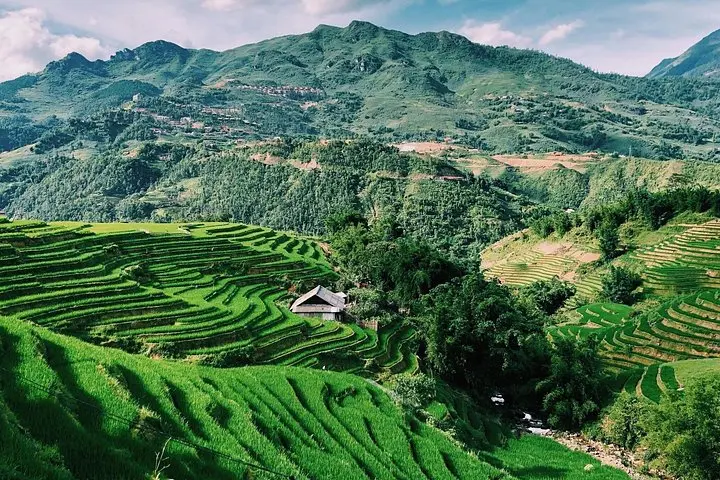
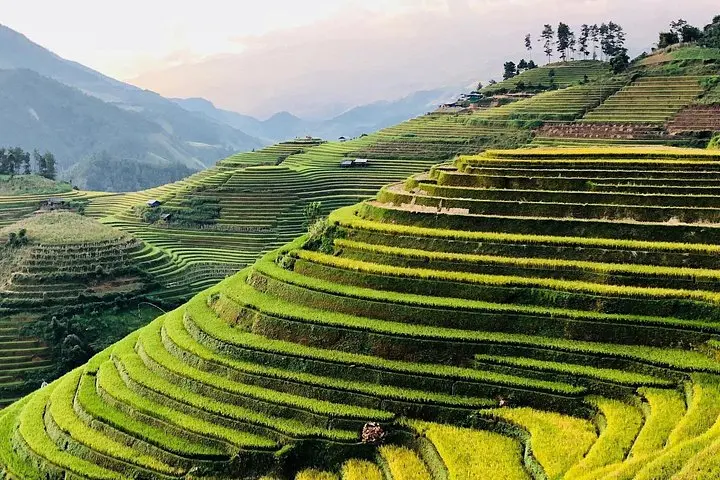
Dawn in the Muong Hoa Valley lifts the mist off stepped rice paddies and pushes cool air down narrow trails. On a three-day loop from Sapa town you move through terraces, bamboo copses and small Tibetan-style stilt houses, following paths that local farmers have carved into steep slopes for generations.
Verified experiences and guided adventures in the surrounding area.
Operated by SAIGONESE TREKKING HOUSE · Sapa, Lao Cai
Dawn in the Muong Hoa Valley lifts the mist off stepped rice paddies and pushes cool air down narrow trails. On a three-day loop from Sapa town you move through terraces, bamboo copses and small Tibetan-style stilt houses, following paths that local farmers have carved into steep slopes for generations.
The route threads the Hoang Lien Son foothills—a landscape shaped by tectonic uplift and monsoon erosion—where Black H’mong, Red Dao and Dzay communities farm rice and weave cloth. Villages like Lao Chai, Ta Van and Giang Ta Chai sit as living workshops of culture: indigo-dyed garments, stilt architecture and herbal-bath traditions you’ll see while homestaying and sharing meals with families.
Trekking today is practical: expect 6–12 km per day over uneven dirt trails, with short steep pitches and cumulative elevation changes up to ~400–700 m on busier legs. Trails pass open terraces and a cool bamboo forest, each section offering different light and weather; rain can change the footing fast.
Practical guidance: pack a light waterproof, sturdy shoes with good grip, and a daypack with water and snacks—homestay accommodations provide simple beds and two dinners plus breakfasts on most nights. This trip suits hikers in moderate condition who can manage multi-hour walks and basic sleeping conditions. Note medical restrictions: not recommended for pregnant travelers or those with serious spinal or cardiac conditions.
Leave no trace in village fields, respect photo requests, and use early starts to avoid afternoon clouds—Sapa rewards those who move steadily and listen to the valley as it opens.
The route is moderate: beginners with good base fitness can complete it, but expect uneven trails and several hours of walking each day—consider hiring a porter if you need extra support.
Homestays are simple family houses with shared facilities, basic bedding, and home-cooked meals—they provide cultural immersion more than luxury.
Cell service is intermittent on valley trails; ATMs are only reliable in Sapa town, so carry sufficient cash for village purchases.
Sapa elevations are moderate (about 1,500–1,800 m); most travelers acclimate easily, but move at a steady pace and stay hydrated if you feel unwell.
SAIGONESE TREKKING HOUSE operates guided outdoor trips and adventures with an emphasis on safety, stewardship, and memorable experiences.
Dawn in the Muong Hoa Valley lifts the mist off stepped rice paddies and pushes cool air down narrow trails. On a three-day loop from Sapa town you move through terraces, bamboo copses and small Tibetan-style stilt houses, following paths that local farmers have carved into steep slopes for generations.
Dawn in the Muong Hoa Valley lifts the mist off stepped rice paddies and pushes cool air down narrow trails. On a three-day loop from Sapa town you move through terraces, bamboo copses and small Tibetan-style stilt houses, following paths that local farmers have carved into steep slopes for generations.
The route threads the Hoang Lien Son foothills—a landscape shaped by tectonic uplift and monsoon erosion—where Black H’mong, Red Dao and Dzay communities farm rice and weave cloth. Villages like Lao Chai, Ta Van and Giang Ta Chai sit as living workshops of culture: indigo-dyed garments, stilt architecture and herbal-bath traditions you’ll see while homestaying and sharing meals with families.
Trekking today is practical: expect 6–12 km per day over uneven dirt trails, with short steep pitches and cumulative elevation changes up to ~400–700 m on busier legs. Trails pass open terraces and a cool bamboo forest, each section offering different light and weather; rain can change the footing fast.
Practical guidance: pack a light waterproof, sturdy shoes with good grip, and a daypack with water and snacks—homestay accommodations provide simple beds and two dinners plus breakfasts on most nights. This trip suits hikers in moderate condition who can manage multi-hour walks and basic sleeping conditions. Note medical restrictions: not recommended for pregnant travelers or those with serious spinal or cardiac conditions.
Leave no trace in village fields, respect photo requests, and use early starts to avoid afternoon clouds—Sapa rewards those who move steadily and listen to the valley as it opens.