THE ADVENTURE COLLECTIVE® · Independent discovery and booking for outdoor travel

Three days of valley trails, terraced fields and homestays take you from Hanoi to the heart of Sapa’s ethnic villages. Expect daily 6–8 km walks, local cooking classes and overnight stays with Black H'mong and Red Dao hosts.
Three days of valley trails, terraced fields and homestays take you from Hanoi to the heart of Sapa’s ethnic villages. Expect daily 6–8 km walks, local cooking classes and overnight stays with Black H'mong and Red Dao hosts.
The bus slides out of Hanoi before dawn and the lowland rice paddies give way to rising ridgelines; by late afternoon you step into a valley of terraces and wood-framed houses, the air noticeably cooler at roughly 1,600 m.
Verified experiences and guided adventures in the surrounding area.
Operated by Dragon Tourist - Vina Cruise · Sapa, Lao Cai Province
The bus slides out of Hanoi before dawn and the lowland rice paddies give way to rising ridgelines; by late afternoon you step into a valley of terraces and wood-framed houses, the air noticeably cooler at roughly 1,600 m.
Over three days this trek threads through Muong Hoa valley—walks of roughly 6 km then 3 km on day one, 8 km across Giang Ta Chai and 6 km to Ban Ho on day two—bringing travelers into the daily life of Black H'mong, Red Dao and Day communities. Stone walls, stepped rice benches and streams carved into slate bedrock speak to the region's recent tectonic uplift and heavy monsoon erosion; terraces are both agricultural infrastructure and living geology.
Cultural notes arrive in tight, human moments: a homestay cooking class where spring rolls are folded by candlelight, embroidered Red Dao textiles drying on a porch, and children guiding water buffalo through ankle-deep irrigation channels. Sapa town functions as basecamp and market hub but the real rhythm is rural—markets run on market days, and local guides translate not just language but seasonal work patterns.
Practical guidance: expect uneven trails, muddy sections after rain, and multiple short ascents and descents rather than long alpine climbs. Pack a waterproof shell, waterproof trail shoes with good traction, a daypack with 2–3 L of water, and modest clothing for homestay visits. Morning fog can hide views; aim for clear mornings for terrace panoramas. Cash in small denominations is helpful in villages, and allow flexible pacing—villages insist on lingering, not racing. This route balances cultural immersion with manageable mountain walking, suitable for fit beginners who can handle repeated day hikes and basic homestay conditions.
Expect sections of roughly 6–8 km per day with frequent ascents and descents; pacing includes village stops and meals.
Sapa sits around 1,600 m—most travelers feel fine, but take it easy the first day if you’re sensitive to elevation.
Guides provided speak basic English for translation and logistics; homestay hosts may speak limited English—your guide will assist with communication.
Homestays are simple with shared facilities in some cases; they offer a cultural experience rather than boutique accommodations.
Dragon Tourist - Vina Cruise operates guided outdoor trips and adventures with an emphasis on safety, stewardship, and memorable experiences.

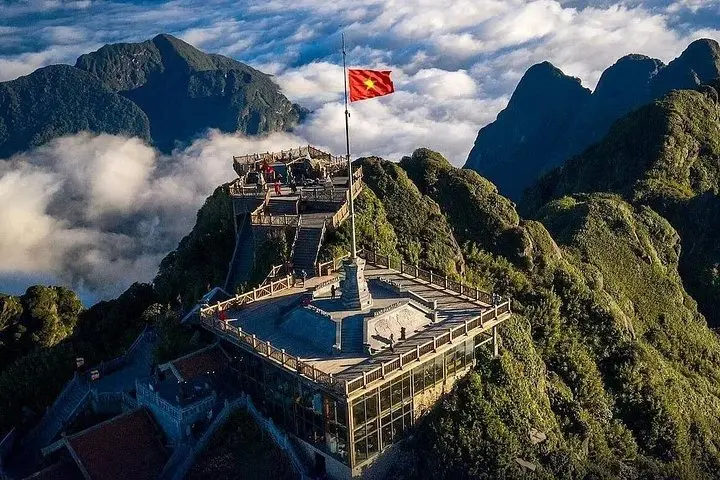
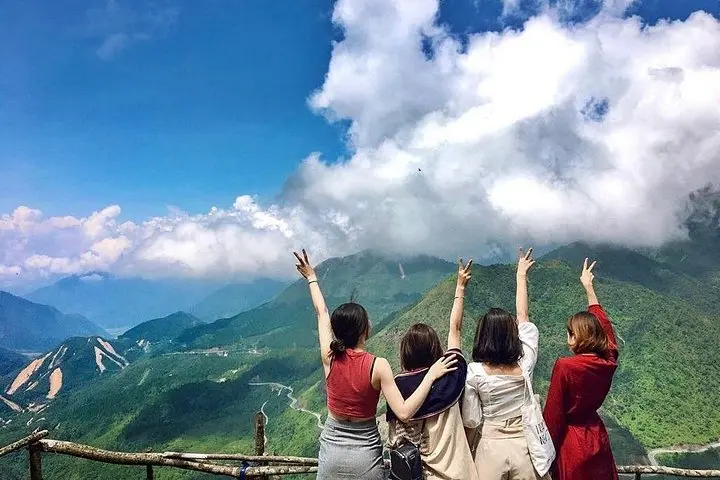
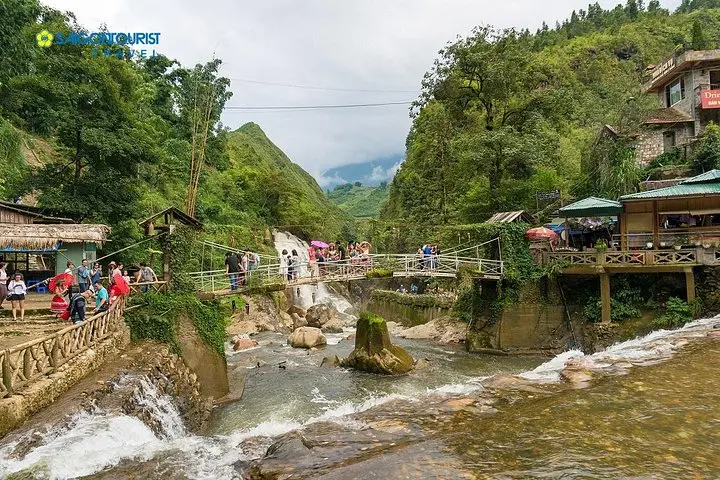
The bus slides out of Hanoi before dawn and the lowland rice paddies give way to rising ridgelines; by late afternoon you step into a valley of terraces and wood-framed houses, the air noticeably cooler at roughly 1,600 m.
The bus slides out of Hanoi before dawn and the lowland rice paddies give way to rising ridgelines; by late afternoon you step into a valley of terraces and wood-framed houses, the air noticeably cooler at roughly 1,600 m.
Over three days this trek threads through Muong Hoa valley—walks of roughly 6 km then 3 km on day one, 8 km across Giang Ta Chai and 6 km to Ban Ho on day two—bringing travelers into the daily life of Black H'mong, Red Dao and Day communities. Stone walls, stepped rice benches and streams carved into slate bedrock speak to the region's recent tectonic uplift and heavy monsoon erosion; terraces are both agricultural infrastructure and living geology.
Cultural notes arrive in tight, human moments: a homestay cooking class where spring rolls are folded by candlelight, embroidered Red Dao textiles drying on a porch, and children guiding water buffalo through ankle-deep irrigation channels. Sapa town functions as basecamp and market hub but the real rhythm is rural—markets run on market days, and local guides translate not just language but seasonal work patterns.
Practical guidance: expect uneven trails, muddy sections after rain, and multiple short ascents and descents rather than long alpine climbs. Pack a waterproof shell, waterproof trail shoes with good traction, a daypack with 2–3 L of water, and modest clothing for homestay visits. Morning fog can hide views; aim for clear mornings for terrace panoramas. Cash in small denominations is helpful in villages, and allow flexible pacing—villages insist on lingering, not racing. This route balances cultural immersion with manageable mountain walking, suitable for fit beginners who can handle repeated day hikes and basic homestay conditions.