THE ADVENTURE COLLECTIVE® · Independent discovery and booking for outdoor travel

Walk the Muong Hoa Valley over three days, sleeping two nights with hill-tribe families in Ta Van. This trek blends rice-terrace views, bamboo forests and local homestays with manageable daily distances.
Walk the Muong Hoa Valley over three days, sleeping two nights with hill-tribe families in Ta Van. This trek blends rice-terrace views, bamboo forests and local homestays with manageable daily distances.
Morning mist lifts off the Muong Hoa stream as you step from a low-slung bungalow into a landscape carved by centuries of rice terraces. The trail leads through Y Linh Ho, past Lao Chai’s timber houses and along paths where children wave and water buffalo browse, the mountains of Hoang Lien Son brooding above like a slow-moving weather system.
Verified experiences and guided adventures in the surrounding area.
Operated by Best Vietnam Tours · Sapa, Lào Cai
Morning mist lifts off the Muong Hoa stream as you step from a low-slung bungalow into a landscape carved by centuries of rice terraces. The trail leads through Y Linh Ho, past Lao Chai’s timber houses and along paths where children wave and water buffalo browse, the mountains of Hoang Lien Son brooding above like a slow-moving weather system.
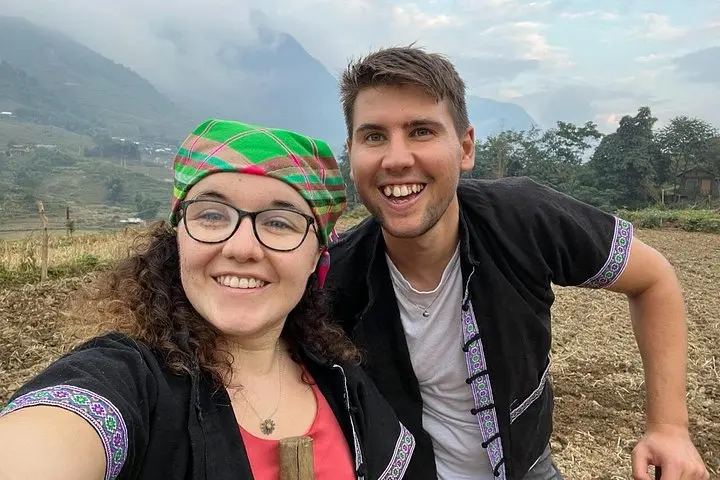
This region has long been home to H’Mong, Dao and Giay communities whose terraces and woven costumes narrate a living cultural history; French colonial maps once labeled these slopes as strategic highlands. Geologically, the Hoang Lien range is composed of rugged metamorphic and sedimentary rock, uplifted and folded to create steep ridges and deep valleys that funnel monsoon rains into the streams below.
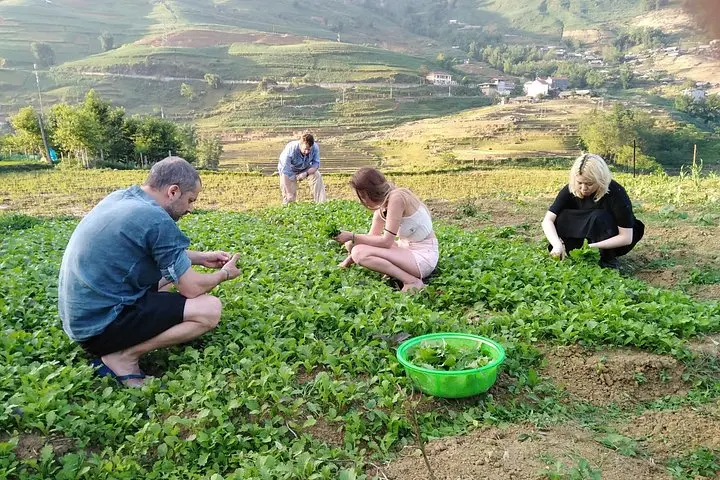
Expect bamboo groves that hush your footfall, forested climbs that test balance, and viewpoints that reward early starts with cottony clouds spilling through the valley. Cultural exchange is central—homestays here are basic, often family-run bungalows where shared meals and cooking classes reveal everyday life.
Practically: the route covers roughly 15–20 km of walking over three days with repeated short climbs and stair-like terraces; trails can be slippery after rain. Bring layered clothing for damp mornings, a good waterproof shell, and plenty of cash for small purchases. Start hikes early to avoid late-afternoon showers and give yourself time to savour village stops. Respect local customs, keep to trails to protect fragile terraces, and travel with a guide to navigate village paths and language differences. This trek is an accessible but honest mountain experience—immersive, tactile, and quietly demanding.
The trek is moderate: daily distances are short to medium (2–9 km segments) but include uneven terrain and repeated altitude changes—novice hikers in reasonable shape can complete it with rest stops.
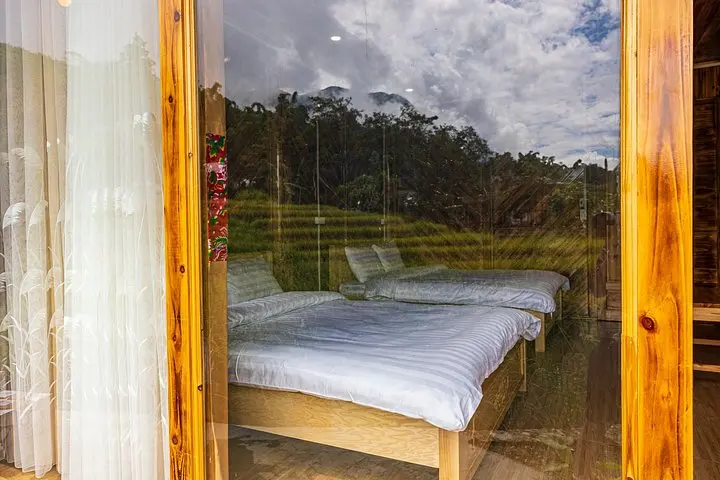
Homestays are family-run bungalows with basic bedding, shared facilities in some cases, home-cooked meals and opportunities to join family activities like cooking or evening gatherings.
Sapa sits at about 1,500–1,600 m—most visitors experience only mild effects; take it easy on the first day, stay hydrated, and inform guides of any health issues.
Late September–October and March–May offer stable weather and vivid terraces; monsoon months (June–August) are warmer but wetter and can make trails slippery.
Best Vietnam Tours operates guided outdoor trips and adventures with an emphasis on safety, stewardship, and memorable experiences.
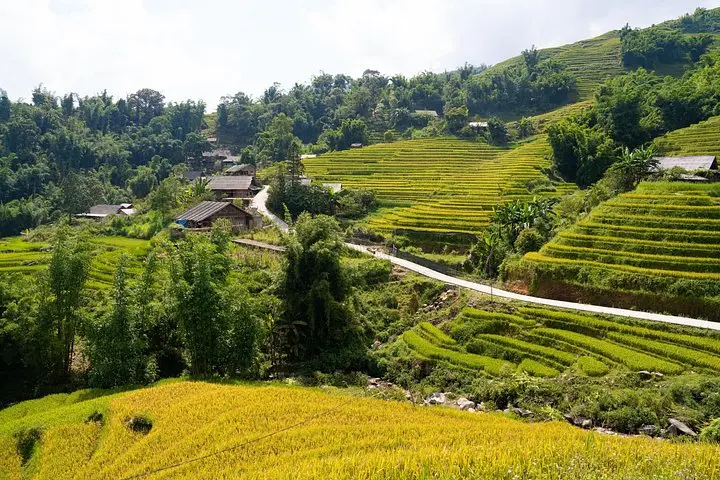
Morning mist lifts off the Muong Hoa stream as you step from a low-slung bungalow into a landscape carved by centuries of rice terraces. The trail leads through Y Linh Ho, past Lao Chai’s timber houses and along paths where children wave and water buffalo browse, the mountains of Hoang Lien Son brooding above like a slow-moving weather system.
Morning mist lifts off the Muong Hoa stream as you step from a low-slung bungalow into a landscape carved by centuries of rice terraces. The trail leads through Y Linh Ho, past Lao Chai’s timber houses and along paths where children wave and water buffalo browse, the mountains of Hoang Lien Son brooding above like a slow-moving weather system.
This region has long been home to H’Mong, Dao and Giay communities whose terraces and woven costumes narrate a living cultural history; French colonial maps once labeled these slopes as strategic highlands. Geologically, the Hoang Lien range is composed of rugged metamorphic and sedimentary rock, uplifted and folded to create steep ridges and deep valleys that funnel monsoon rains into the streams below.
Expect bamboo groves that hush your footfall, forested climbs that test balance, and viewpoints that reward early starts with cottony clouds spilling through the valley. Cultural exchange is central—homestays here are basic, often family-run bungalows where shared meals and cooking classes reveal everyday life.
Practically: the route covers roughly 15–20 km of walking over three days with repeated short climbs and stair-like terraces; trails can be slippery after rain. Bring layered clothing for damp mornings, a good waterproof shell, and plenty of cash for small purchases. Start hikes early to avoid late-afternoon showers and give yourself time to savour village stops. Respect local customs, keep to trails to protect fragile terraces, and travel with a guide to navigate village paths and language differences. This trek is an accessible but honest mountain experience—immersive, tactile, and quietly demanding.