THE ADVENTURE COLLECTIVE® · Independent discovery and booking for outdoor travel

Three days of canvas tents, pop-up-roof jeeps and close-up wildlife viewing: this Moshi-based camping safari pairs Central Serengeti game drives with a morning in Ngorongoro Crater. Expect long drives, dramatic wildlife encounters and nights under the African sky.
Three days of canvas tents, pop-up-roof jeeps and close-up wildlife viewing: this Moshi-based camping safari pairs Central Serengeti game drives with a morning in Ngorongoro Crater. Expect long drives, dramatic wildlife encounters and nights under the African sky.
The sun is a hard coin above the Serengeti as you roll out of a canvas tent and the horizon reads as a single, endless line. Early light picks out the backs of grazing wildebeest while a distant jackal takes a tentative step through the dew; the jeep’s pop-up roof promises a front-row seat to the slow parade of plains life. Over three days you move between worlds — the flat, animal-riven grasslands of Seronera in the Serengeti and the bowl of the Ngorongoro Crater — sleeping under canvas and waking to the steady pulse of wildlife.
Verified experiences and guided adventures in the surrounding area.
Operated by Kilisa Tours & Safaris · Moshi, Kilimanjaro Region
The sun is a hard coin above the Serengeti as you roll out of a canvas tent and the horizon reads as a single, endless line. Early light picks out the backs of grazing wildebeest while a distant jackal takes a tentative step through the dew; the jeep’s pop-up roof promises a front-row seat to the slow parade of plains life. Over three days you move between worlds — the flat, animal-riven grasslands of Seronera in the Serengeti and the bowl of the Ngorongoro Crater — sleeping under canvas and waking to the steady pulse of wildlife.
This route threads geology and human history together. Drive through Olduvai Gorge, where the Leakeys uncovered early hominid fossils, then across the “endless plains” — the Maasai word serengeti — a landscape shaped by volcanic ash, seasonal rains and the slow, cyclical pressure of migration. Ngorongoro itself is a collapsed caldera, a kilometer-deep amphitheater whose rim frames a living ecosystem where grassland, forest and soda lakes host high predator and prey densities.
Culture is present, too: Maasai herders still move stock along park boundaries and markets in nearby towns offer beadwork and leather goods that feel as much a part of the itinerary as a game drive. Guides on this trip are private and local, translating animal behavior and seasonal movement into plain facts: where lions will hoist a kill, which watering holes hold hippo pods, and why zebra stripe patterns shift with distance.
Practical realities matter. Expect long, dusty drives between points — Moshi to central Serengeti via Olduvai is typically a full day of road time with a mid-ride boxed lunch. Nights alternate between Seronera/Kati Kati–style public campsites and Simba campsite near Ngorongoro; tents, mattresses and basic chairs are supplied. Game drives use a 4x4 with a pop-up roof for standing observation; park and crater fees are included in the trip cost.
For planning: pack light but wisely. Sturdy walking shoes for short walks, layers for chilly mornings on the crater rim, and a binocular will change the way you see the plains. Bring cash for local purchases and tips; cell service will be intermittent. Respect wildlife distances — guides enforce rules, but silence and patience reward you with longer sightings.
Timings are purposeful: dawn and late afternoon drives concentrate activity, midday is for transit or camp rest. Hydrate constantly — the sun dares you to move faster than you should. By the third day, after crater descent and a final sweep across Lerai Forest and Lake Magadi, you’ll have a clearer sense of how this landscape manages both abundance and balance. It’s raw, immediate and practical: a condensed safari loop that gives a rich, textured introduction to Tanzania’s most famous parks.
Expect full days of transit: roughly 6–8 hours Moshi to central Serengeti with stops; 3–5 hours Serengeti to Ngorongoro depending on route and sightings.
Yes — the itinerary includes park fees, crater fees and camping fees as listed in the tour inclusions.
Two nights of camping in shared two-person tents at Seronera/Kati Kati and Simba campsites with mattress, pillow, table and chair provided.
Not recommended for pregnant travelers and those with certain spinal or cardiovascular issues; infants must sit on laps and operators set age restrictions.
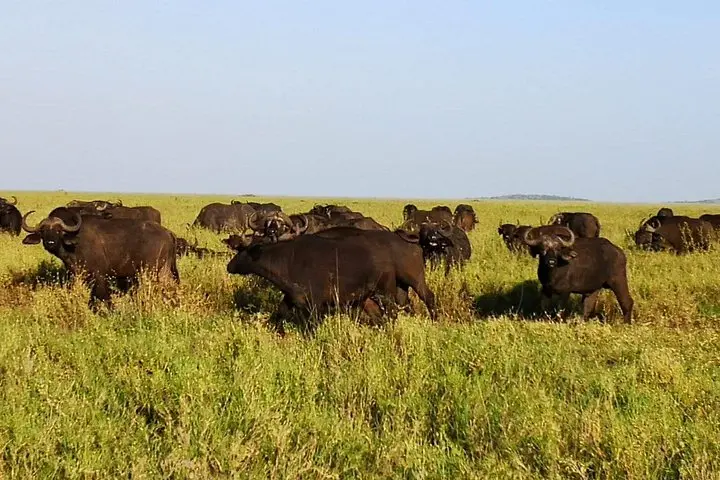
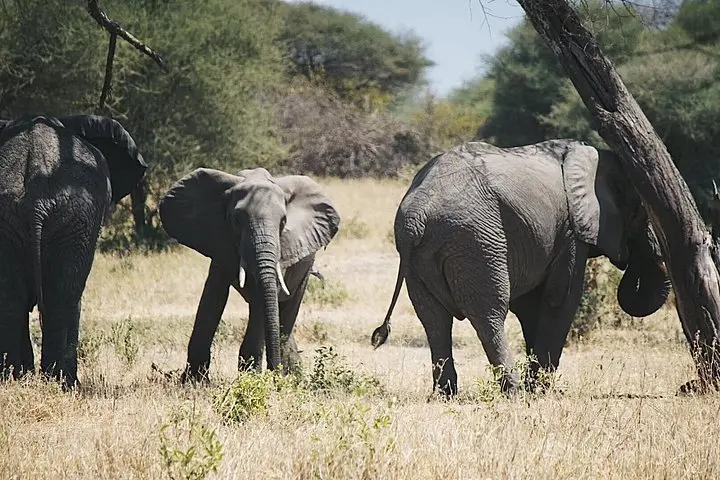
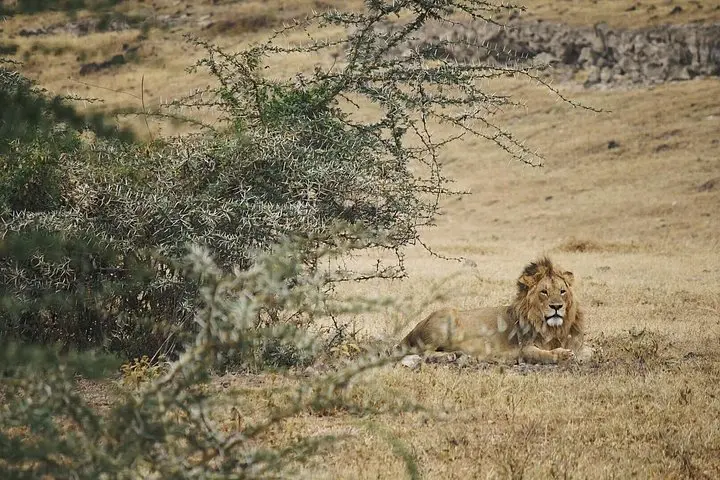
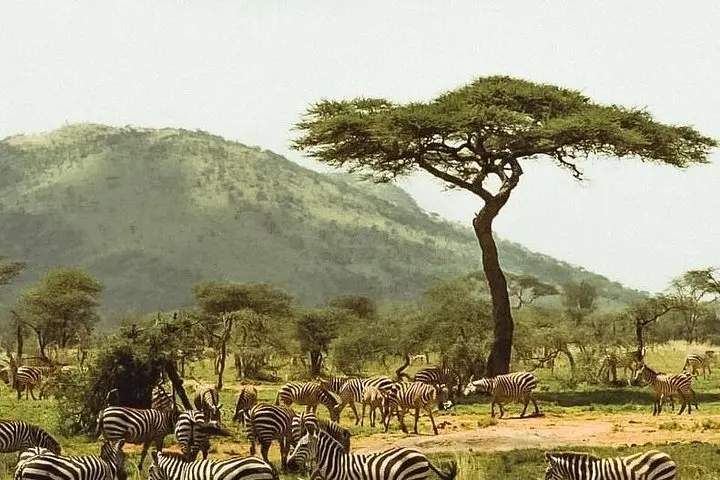
Common sightings include wildebeest, zebra, buffalo, elephant, hippo, lion, cheetah and various gazelles — sightings vary seasonally and by luck.
Yellow fever vaccination may be required for some travelers; carry passport details and check Tanzania visa and vaccination requirements before travel.
Kilisa Tours & Safaris operates guided outdoor trips and adventures with an emphasis on safety, stewardship, and memorable experiences.
The sun is a hard coin above the Serengeti as you roll out of a canvas tent and the horizon reads as a single, endless line. Early light picks out the backs of grazing wildebeest while a distant jackal takes a tentative step through the dew; the jeep’s pop-up roof promises a front-row seat to the slow parade of plains life. Over three days you move between worlds — the flat, animal-riven grasslands of Seronera in the Serengeti and the bowl of the Ngorongoro Crater — sleeping under canvas and waking to the steady pulse of wildlife.
The sun is a hard coin above the Serengeti as you roll out of a canvas tent and the horizon reads as a single, endless line. Early light picks out the backs of grazing wildebeest while a distant jackal takes a tentative step through the dew; the jeep’s pop-up roof promises a front-row seat to the slow parade of plains life. Over three days you move between worlds — the flat, animal-riven grasslands of Seronera in the Serengeti and the bowl of the Ngorongoro Crater — sleeping under canvas and waking to the steady pulse of wildlife.
This route threads geology and human history together. Drive through Olduvai Gorge, where the Leakeys uncovered early hominid fossils, then across the “endless plains” — the Maasai word serengeti — a landscape shaped by volcanic ash, seasonal rains and the slow, cyclical pressure of migration. Ngorongoro itself is a collapsed caldera, a kilometer-deep amphitheater whose rim frames a living ecosystem where grassland, forest and soda lakes host high predator and prey densities.
Culture is present, too: Maasai herders still move stock along park boundaries and markets in nearby towns offer beadwork and leather goods that feel as much a part of the itinerary as a game drive. Guides on this trip are private and local, translating animal behavior and seasonal movement into plain facts: where lions will hoist a kill, which watering holes hold hippo pods, and why zebra stripe patterns shift with distance.
Practical realities matter. Expect long, dusty drives between points — Moshi to central Serengeti via Olduvai is typically a full day of road time with a mid-ride boxed lunch. Nights alternate between Seronera/Kati Kati–style public campsites and Simba campsite near Ngorongoro; tents, mattresses and basic chairs are supplied. Game drives use a 4x4 with a pop-up roof for standing observation; park and crater fees are included in the trip cost.
For planning: pack light but wisely. Sturdy walking shoes for short walks, layers for chilly mornings on the crater rim, and a binocular will change the way you see the plains. Bring cash for local purchases and tips; cell service will be intermittent. Respect wildlife distances — guides enforce rules, but silence and patience reward you with longer sightings.
Timings are purposeful: dawn and late afternoon drives concentrate activity, midday is for transit or camp rest. Hydrate constantly — the sun dares you to move faster than you should. By the third day, after crater descent and a final sweep across Lerai Forest and Lake Magadi, you’ll have a clearer sense of how this landscape manages both abundance and balance. It’s raw, immediate and practical: a condensed safari loop that gives a rich, textured introduction to Tanzania’s most famous parks.