THE ADVENTURE COLLECTIVE® · Independent discovery and booking for outdoor travel

A compact private safari that pairs rolling Serengeti game drives with the dramatic Ngorongoro Crater—three days of early starts, long drives, and close wildlife encounters. Ideal for travelers who want big-park sightings in a short window.
A compact private safari that pairs rolling Serengeti game drives with the dramatic Ngorongoro Crater—three days of early starts, long drives, and close wildlife encounters. Ideal for travelers who want big-park sightings in a short window.
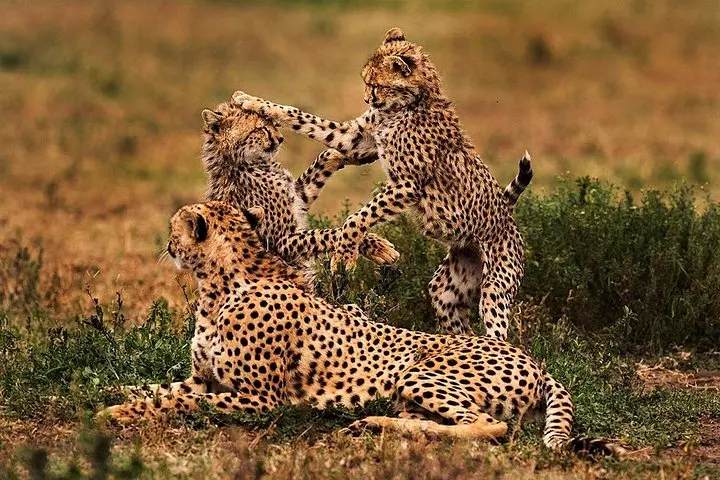
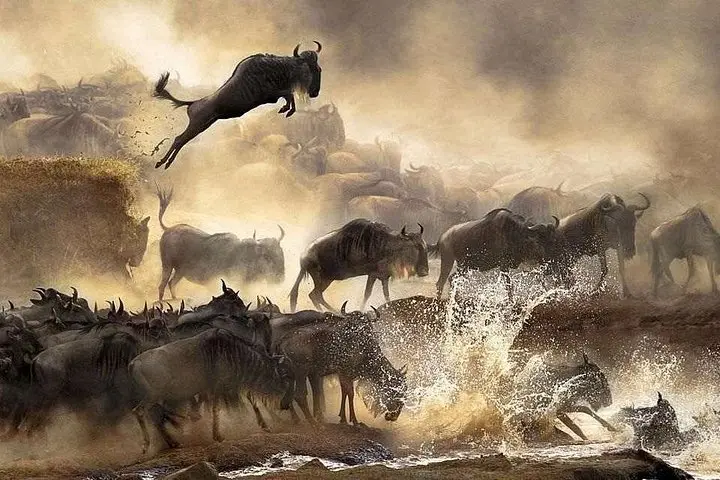
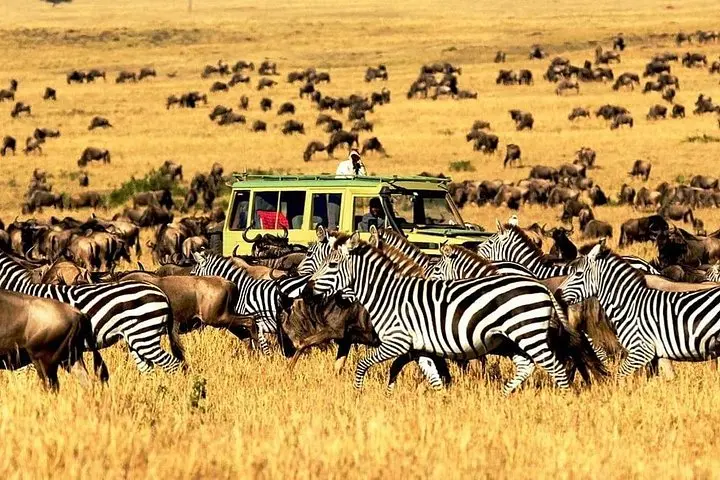
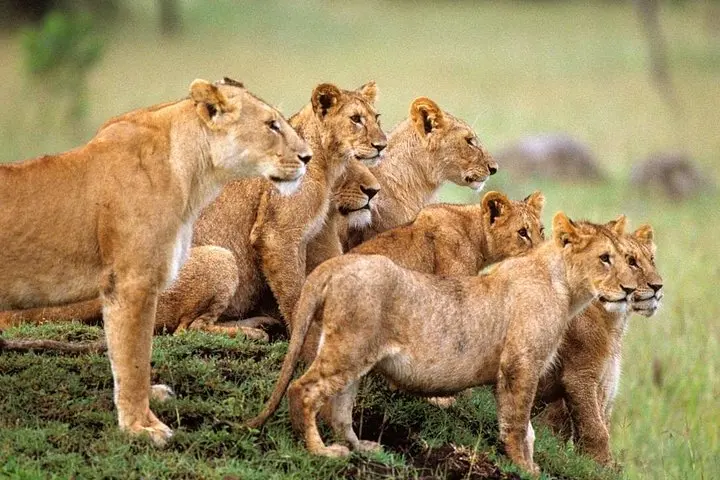
Dawn finds the Land Cruiser easing out of Arusha as a pale ribbon of light lifts over acacia crowns. The vehicle’s pop-up roof opens and the plains unfurl—grasslands rolling toward a distant horizon where the Serengeti’s ridgelines cut the sky. Your guide tunes the engine and the animals begin to populate the day: a herd on a ridge, a lone giraffe outlined like a charcoal sketch.
Verified experiences and guided adventures in the surrounding area.
Operated by MORAKA AFRICA SAFARIS · Arusha, Arusha Region
Dawn finds the Land Cruiser easing out of Arusha as a pale ribbon of light lifts over acacia crowns. The vehicle’s pop-up roof opens and the plains unfurl—grasslands rolling toward a distant horizon where the Serengeti’s ridgelines cut the sky. Your guide tunes the engine and the animals begin to populate the day: a herd on a ridge, a lone giraffe outlined like a charcoal sketch.
This three-day route threads two of Tanzania’s signature reserves. The Serengeti’s broad plains are product of ancient basalt flows and riverine deposits that feed the migration routes; Ngorongoro is the collapsed caldera of a giant Pleistocene volcano whose rim rises roughly 600–700 meters above the crater floor. Maasai communities live around the conservation areas and their grazing patterns and cultural knowledge shape how wildlife moves through the landscape.
Expect long, purposeful drives between viewpoints—Arusha to the Serengeti usually takes 6–8 hours via the Ngorongoro Conservation Area—plus early morning and late-afternoon game drives when predators are most active. Terrain shifts from packed dirt tracks to rutted, sandy trails; elevations range from roughly 1,400 m around Arusha to more than 2,200 m at the Ngorongoro rim, so mornings can be cool.
Practically: travel light, bring layers for cold mornings and hot afternoons, and pack a camera with a 200–400mm lens or good binoculars. The trip supplies camping gear (mattress, sleeping bag, mosquito net) and full-board meals; a local English-speaking guide navigates the parks and reads the animals’ movements. Hydrate, follow your guide’s safety briefings, and be ready for sudden, unforgettable wildlife encounters.
All fees and taxes are included in the tour price as stated in the itinerary, but confirm which optional extras (e.g., hot-air balloon rides) are excluded before booking.
Options range from Seronera campsite with camping gear provided to upgrades into lodges depending on booking category—confirm at reservation as both campsite and lodge names appear in itineraries.
The operator lists wheelchair-accessible transport and stroller access; however, rough tracks and boarding vehicles may be challenging—check specifics with the provider and note it's not recommended for pregnant travelers or those with serious spinal or cardiac conditions.
Travelers should consult a travel clinic for up-to-date advice on malaria prophylaxis and routine vaccines; bring insect repellent and use provided mosquito nets at night.
MORAKA AFRICA SAFARIS operates guided outdoor trips and adventures with an emphasis on safety, stewardship, and memorable experiences.
Dawn finds the Land Cruiser easing out of Arusha as a pale ribbon of light lifts over acacia crowns. The vehicle’s pop-up roof opens and the plains unfurl—grasslands rolling toward a distant horizon where the Serengeti’s ridgelines cut the sky. Your guide tunes the engine and the animals begin to populate the day: a herd on a ridge, a lone giraffe outlined like a charcoal sketch.
Dawn finds the Land Cruiser easing out of Arusha as a pale ribbon of light lifts over acacia crowns. The vehicle’s pop-up roof opens and the plains unfurl—grasslands rolling toward a distant horizon where the Serengeti’s ridgelines cut the sky. Your guide tunes the engine and the animals begin to populate the day: a herd on a ridge, a lone giraffe outlined like a charcoal sketch.
This three-day route threads two of Tanzania’s signature reserves. The Serengeti’s broad plains are product of ancient basalt flows and riverine deposits that feed the migration routes; Ngorongoro is the collapsed caldera of a giant Pleistocene volcano whose rim rises roughly 600–700 meters above the crater floor. Maasai communities live around the conservation areas and their grazing patterns and cultural knowledge shape how wildlife moves through the landscape.
Expect long, purposeful drives between viewpoints—Arusha to the Serengeti usually takes 6–8 hours via the Ngorongoro Conservation Area—plus early morning and late-afternoon game drives when predators are most active. Terrain shifts from packed dirt tracks to rutted, sandy trails; elevations range from roughly 1,400 m around Arusha to more than 2,200 m at the Ngorongoro rim, so mornings can be cool.
Practically: travel light, bring layers for cold mornings and hot afternoons, and pack a camera with a 200–400mm lens or good binoculars. The trip supplies camping gear (mattress, sleeping bag, mosquito net) and full-board meals; a local English-speaking guide navigates the parks and reads the animals’ movements. Hydrate, follow your guide’s safety briefings, and be ready for sudden, unforgettable wildlife encounters.