THE ADVENTURE COLLECTIVE® · Independent discovery and booking for outdoor travel

Three days of focused game drives through the Serengeti’s sweeping plains and the bowl of Ngorongoro Crater. This mid-range circuit balances long drives and concentrated wildlife viewing—ideal for travelers who want big-game encounters with practical comfort.
Three days of focused game drives through the Serengeti’s sweeping plains and the bowl of Ngorongoro Crater. This mid-range circuit balances long drives and concentrated wildlife viewing—ideal for travelers who want big-game encounters with practical comfort.
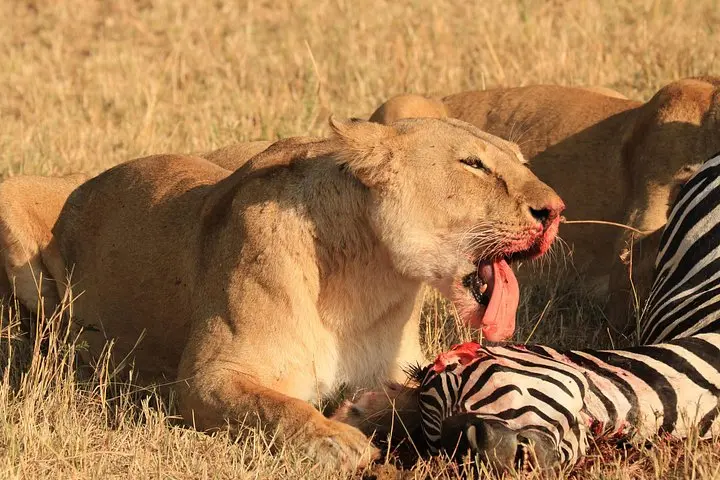
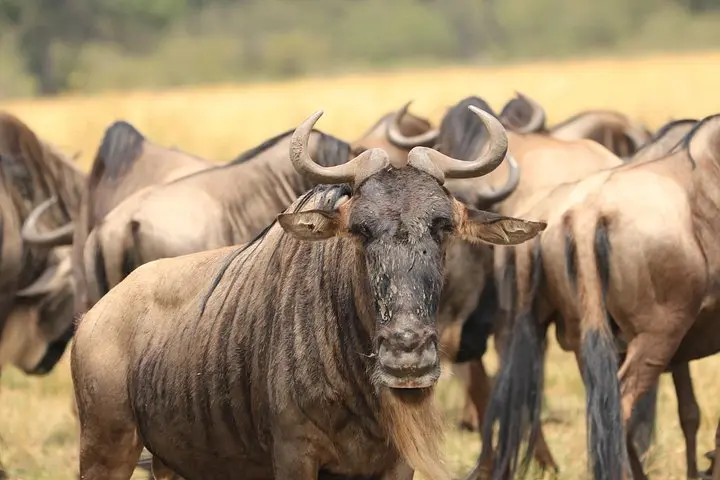
The morning light spills across a sea of grasses as your safari vehicle threads a ribbon of dust through the Serengeti. Lions lift their heads; wildebeest push onward in long, steady lines; a guide scans the horizon from a pop-up roof as the engine hums beneath a wide African sky.
Verified experiences and guided adventures in the surrounding area.
Operated by Safari Njema Adventures · Arusha, Arusha Region
The morning light spills across a sea of grasses as your safari vehicle threads a ribbon of dust through the Serengeti. Lions lift their heads; wildebeest push onward in long, steady lines; a guide scans the horizon from a pop-up roof as the engine hums beneath a wide African sky.
This three-day circuit pairs the vast plains of Serengeti National Park with the geological wonder of Ngorongoro Crater. The Serengeti—named from the Maasai word for “endless plains”—is part of a savanna ecosystem shaped by rainfall patterns and migration. Ngorongoro is a collapsed volcanic caldera formed two to three million years ago, now a self-contained valley of grasslands, forests and a shallow soda lake that concentrates wildlife.
Culturally, the route crosses Maasai grazing lands and conservation areas; guides often interpret traditional land use while pointing out spoor and feeding patterns. Expect game drives that run from early dawn into late afternoon, punctuated by picnic lunches and brief walks where permitted.
Practical advice: travel days involve long drives between camps—packing for early starts, layered clothing, sun protection and binoculars makes the difference between spotting a distant leopard and missing it. Vehicles have pop-up roofs for photography but offer limited walking opportunities, so mobility needs are low but patience and a tolerance for dust are essential. Camps (tented and lodge) provide basic mid-range comforts and cooked meals as scheduled.
Best seasons depend on your goal: calving in the south in the early year, river crossings in the north later on. Bring cash for park tips and expect early wakeups for the best light and animal activity.
Confirm with the operator—Ngorongoro admission is listed as included for the crater day in the itinerary, but Serengeti fees and conservation levies can vary by package.
Typical departures are before sunrise (around 5:30–6:30 a.m.) to catch predators and early herd movement; expect late-afternoon drives as well.
The tour notes infants must sit on laps; younger children can join but consider long drives and early starts when planning.
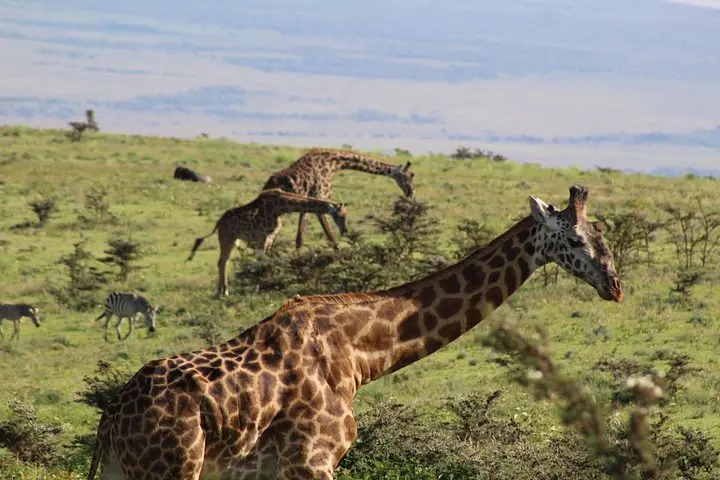
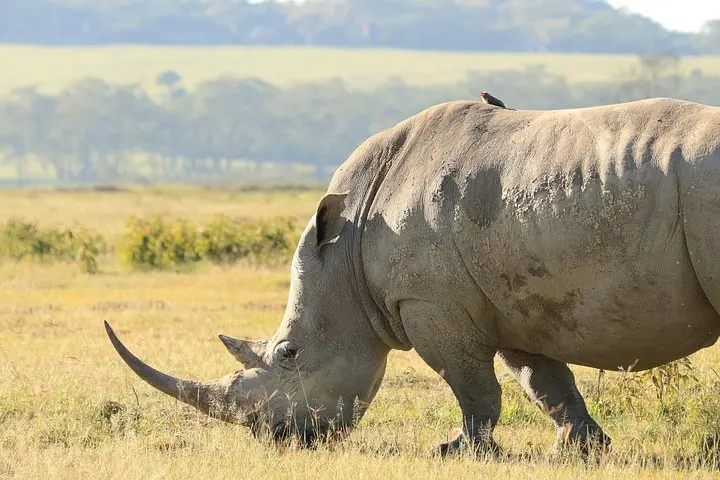
Expect large herbivores like wildebeest and zebra, large carnivores including lions and possibly leopards, plus elephants and the unique black rhino in protected areas like Ngorongoro.
Safari Njema Adventures operates guided outdoor trips and adventures with an emphasis on safety, stewardship, and memorable experiences.
The morning light spills across a sea of grasses as your safari vehicle threads a ribbon of dust through the Serengeti. Lions lift their heads; wildebeest push onward in long, steady lines; a guide scans the horizon from a pop-up roof as the engine hums beneath a wide African sky.
The morning light spills across a sea of grasses as your safari vehicle threads a ribbon of dust through the Serengeti. Lions lift their heads; wildebeest push onward in long, steady lines; a guide scans the horizon from a pop-up roof as the engine hums beneath a wide African sky.
This three-day circuit pairs the vast plains of Serengeti National Park with the geological wonder of Ngorongoro Crater. The Serengeti—named from the Maasai word for “endless plains”—is part of a savanna ecosystem shaped by rainfall patterns and migration. Ngorongoro is a collapsed volcanic caldera formed two to three million years ago, now a self-contained valley of grasslands, forests and a shallow soda lake that concentrates wildlife.
Culturally, the route crosses Maasai grazing lands and conservation areas; guides often interpret traditional land use while pointing out spoor and feeding patterns. Expect game drives that run from early dawn into late afternoon, punctuated by picnic lunches and brief walks where permitted.
Practical advice: travel days involve long drives between camps—packing for early starts, layered clothing, sun protection and binoculars makes the difference between spotting a distant leopard and missing it. Vehicles have pop-up roofs for photography but offer limited walking opportunities, so mobility needs are low but patience and a tolerance for dust are essential. Camps (tented and lodge) provide basic mid-range comforts and cooked meals as scheduled.
Best seasons depend on your goal: calving in the south in the early year, river crossings in the north later on. Bring cash for park tips and expect early wakeups for the best light and animal activity.