THE ADVENTURE COLLECTIVE® · Independent discovery and booking for outdoor travel

A compact, three-day small-group safari that pairs Seronera game drives with a descent into Ngorongoro Crater. Ideal for travelers who want high-value wildlife encounters, basic camping, and expert guiding in a short window.
A compact, three-day small-group safari that pairs Seronera game drives with a descent into Ngorongoro Crater. Ideal for travelers who want high-value wildlife encounters, basic camping, and expert guiding in a short window.
Dawn spills gold across the Serengeti; acacia silhouettes cut the horizon and a Land Cruiser hums over red dust toward a distant herd. In a small-group vehicle with a pop-up roof, you ride low and close to the ecosystem — a series of concentrated game drives that compress a vast landscape into three days.
Verified experiences and guided adventures in the surrounding area.
Operated by Kiliclimb Africa Safaris · Arusha, Arusha Region
Dawn spills gold across the Serengeti; acacia silhouettes cut the horizon and a Land Cruiser hums over red dust toward a distant herd. In a small-group vehicle with a pop-up roof, you ride low and close to the ecosystem — a series of concentrated game drives that compress a vast landscape into three days.
The route threads classic East African places: Seronera’s grassy plains where predators follow the herds, and the Ngorongoro Crater, a collapsed volcanic caldera whose steep rim funnels wildlife across a fertile basin. The Maasai people have walked these highlands for generations, and Olduvai Gorge nearby records deep archaeological layers that helped shape our understanding of human origins.
Geology here is immediate — the crater’s rim is sheer basalt and ash, the plains are ancient volcanic soils that support the migration’s grasses. Culture and conservation are ever-present: camps are low-impact canvas tents, and guides emphasize staying on roads to protect the fragile landscape.
Practically, expect long drives (Arusha to Serengeti is roughly an eight-hour transit with stops), early starts for the best wildlife viewing, and simple campsite comforts. Bring binoculars, sun protection, and a small dry bag for cameras. Hydrate between drives and be ready for dust and temperature swings from cool pre-dawn to hot afternoons. For photographers and wildlife fans, this itinerary packs high-return game time into a compact, budget-friendly safari that prioritizes sightings and proximity to signature East African scenery.
This tour includes camping fees and parking; national park entrance or conservation fees are often charged separately—confirm with the operator at booking.
Camping is in canvas sleeping tents at designated campsites with basic facilities; expect communal meals prepared by the team and simple comfort rather than lodgeluxury.
Migration timing shifts yearly; peak large-mammal visibility in the Serengeti generally occurs during the dry season (June–October), with notable river crossings in specific months—check current migration reports before travel.
The operator lists it as not recommended for pregnant travelers and advises caution for those with back problems; check age and health restrictions when booking.
Kiliclimb Africa Safaris operates guided outdoor trips and adventures with an emphasis on safety, stewardship, and memorable experiences.


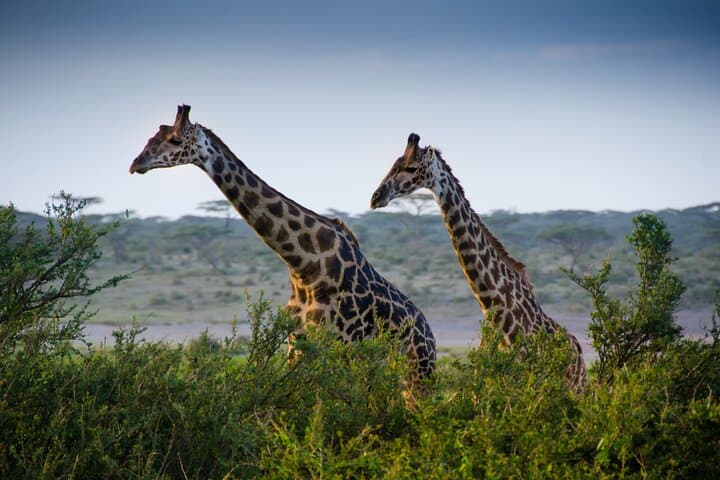

Dawn spills gold across the Serengeti; acacia silhouettes cut the horizon and a Land Cruiser hums over red dust toward a distant herd. In a small-group vehicle with a pop-up roof, you ride low and close to the ecosystem — a series of concentrated game drives that compress a vast landscape into three days.
Dawn spills gold across the Serengeti; acacia silhouettes cut the horizon and a Land Cruiser hums over red dust toward a distant herd. In a small-group vehicle with a pop-up roof, you ride low and close to the ecosystem — a series of concentrated game drives that compress a vast landscape into three days.
The route threads classic East African places: Seronera’s grassy plains where predators follow the herds, and the Ngorongoro Crater, a collapsed volcanic caldera whose steep rim funnels wildlife across a fertile basin. The Maasai people have walked these highlands for generations, and Olduvai Gorge nearby records deep archaeological layers that helped shape our understanding of human origins.
Geology here is immediate — the crater’s rim is sheer basalt and ash, the plains are ancient volcanic soils that support the migration’s grasses. Culture and conservation are ever-present: camps are low-impact canvas tents, and guides emphasize staying on roads to protect the fragile landscape.
Practically, expect long drives (Arusha to Serengeti is roughly an eight-hour transit with stops), early starts for the best wildlife viewing, and simple campsite comforts. Bring binoculars, sun protection, and a small dry bag for cameras. Hydrate between drives and be ready for dust and temperature swings from cool pre-dawn to hot afternoons. For photographers and wildlife fans, this itinerary packs high-return game time into a compact, budget-friendly safari that prioritizes sightings and proximity to signature East African scenery.