THE ADVENTURE COLLECTIVE® · Independent discovery and booking for outdoor travel

Spend three concentrated days chasing wildlife across the Serengeti and into Ngorongoro’s dramatic crater. Early-morning game drives, a budget tented camp inside Serengeti, and a crater-floor safari combine for a high-value introduction to Tanzania’s premier parks.
Spend three concentrated days chasing wildlife across the Serengeti and into Ngorongoro’s dramatic crater. Early-morning game drives, a budget tented camp inside Serengeti, and a crater-floor safari combine for a high-value introduction to Tanzania’s premier parks.
Dawn unspools over a flat horizon as your vehicle slips onto the Serengeti plains; tall grass whispers, and the air tastes like dust and distant thunder. Early drives catch lions and cheetahs in motion, wildebeest lines cutting the grasslands as if following an invisible current.
Verified experiences and guided adventures in the surrounding area.
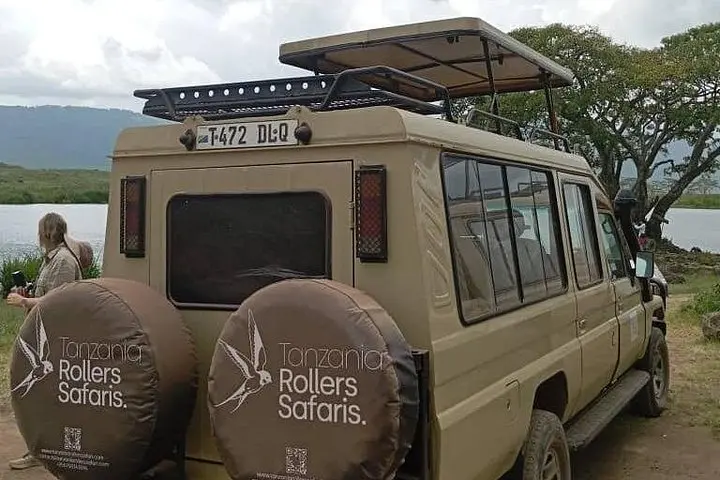
Operated by Tanzania Rollers Safari · Arusha, Arusha Region
Dawn unspools over a flat horizon as your vehicle slips onto the Serengeti plains; tall grass whispers, and the air tastes like dust and distant thunder. Early drives catch lions and cheetahs in motion, wildebeest lines cutting the grasslands as if following an invisible current.
This compact three-day loop pairs two nights under canvas in Serengeti National Park with a day inside the Ngorongoro Crater. Geologically, you’ll move from the park’s broad savanna—part of a roughly 15,000 km² ecosystem shaped by seasonal rains—to the crater’s volcanic bowl, a 260 km² unbroken caldera whose rim rises about 600 m above the floor. Culturally, this route threads Maasai grazing lands and conservation zones managed to balance people and wildlife, so expect to see pastoral life alongside wild herds.
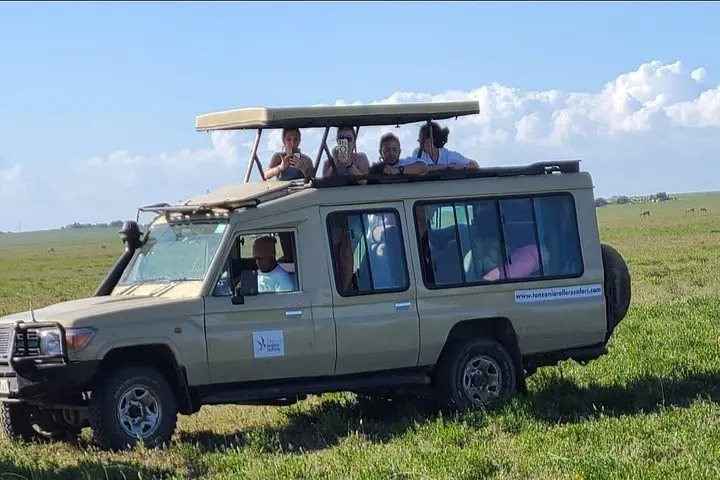
Practically, days begin before sunrise and are driven by animal movement rather than strict timetables: game drives of several hours, picnic lunches, and one or two short guided walks where permitted. Terrain is mostly graded sandy and dirt tracks; expect bumpy roads and long stretches of open plain. Altitude ranges roughly 1,100–2,300 m—bring layers for cool mornings and hot afternoons.
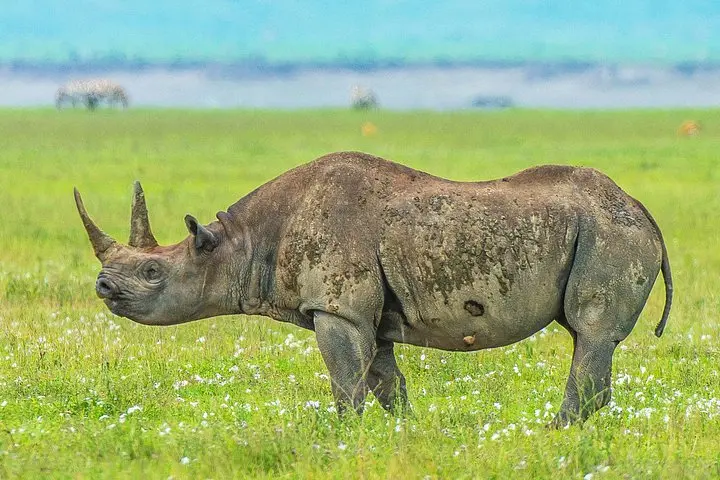
Guides handle logistics, park fees, and timed entries, but your comfort comes from preparation: neutral-colored clothing, binoculars, and plenty of water. Respect vehicle routes and the crater’s rules—keeping distance from wildlife is both legal and safe. In three days you’ll witness density and diversity: lions reclining in shade, black rhino footprints on volcanic ash, and flamingos rimmed around crater lakes—an efficient, unforgettable primer to Tanzania’s wild heart.
This trip includes three breakfasts, three lunches and two dinners, with two nights at a budget tented camp inside Serengeti and one night in the Ngorongoro/Arusha area as described by the operator.
No special fitness is required—most activity is vehicle-based; however, guests should be able to get in and out of safari vehicles and manage short walks.
Admission is listed as included for park entries; confirm with the operator whether all conservation and vehicle fees are fully covered in your booking.
Consult your physician about routine vaccinations and malaria prophylaxis; bring any personal medications and travel insurance documentation.
Tanzania Rollers Safari operates guided outdoor trips and adventures with an emphasis on safety, stewardship, and memorable experiences.
Dawn unspools over a flat horizon as your vehicle slips onto the Serengeti plains; tall grass whispers, and the air tastes like dust and distant thunder. Early drives catch lions and cheetahs in motion, wildebeest lines cutting the grasslands as if following an invisible current.
Dawn unspools over a flat horizon as your vehicle slips onto the Serengeti plains; tall grass whispers, and the air tastes like dust and distant thunder. Early drives catch lions and cheetahs in motion, wildebeest lines cutting the grasslands as if following an invisible current.
This compact three-day loop pairs two nights under canvas in Serengeti National Park with a day inside the Ngorongoro Crater. Geologically, you’ll move from the park’s broad savanna—part of a roughly 15,000 km² ecosystem shaped by seasonal rains—to the crater’s volcanic bowl, a 260 km² unbroken caldera whose rim rises about 600 m above the floor. Culturally, this route threads Maasai grazing lands and conservation zones managed to balance people and wildlife, so expect to see pastoral life alongside wild herds.
Practically, days begin before sunrise and are driven by animal movement rather than strict timetables: game drives of several hours, picnic lunches, and one or two short guided walks where permitted. Terrain is mostly graded sandy and dirt tracks; expect bumpy roads and long stretches of open plain. Altitude ranges roughly 1,100–2,300 m—bring layers for cool mornings and hot afternoons.
Guides handle logistics, park fees, and timed entries, but your comfort comes from preparation: neutral-colored clothing, binoculars, and plenty of water. Respect vehicle routes and the crater’s rules—keeping distance from wildlife is both legal and safe. In three days you’ll witness density and diversity: lions reclining in shade, black rhino footprints on volcanic ash, and flamingos rimmed around crater lakes—an efficient, unforgettable primer to Tanzania’s wild heart.