THE ADVENTURE COLLECTIVE® · Independent discovery and booking for outdoor travel

A three-day mobile camping safari across Serengeti National Park and Ngorongoro gives you full-day game drives, prime migration viewing, and crater scenery. Expect long drives, early starts, and close encounters with the Big Five.
A three-day mobile camping safari across Serengeti National Park and Ngorongoro gives you full-day game drives, prime migration viewing, and crater scenery. Expect long drives, early starts, and close encounters with the Big Five.
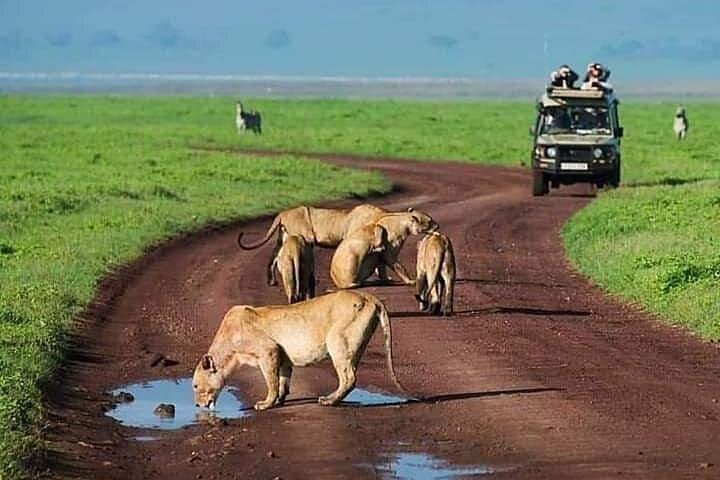
Dawn breaks across a grass sea and the earth exhales: dust curls from the jeep, acacias stand like watchful hands, and a line of wildebeest threads toward the horizon. On this three-day, two-night safari you camp under that expanse, move with the light for dawn and dusk drives, and spend full days tracking the animals that make the plains pulse.
Verified experiences and guided adventures in the surrounding area.
Operated by Sere adventure Safari · Serengeti National Park, Mara Region
Dawn breaks across a grass sea and the earth exhales: dust curls from the jeep, acacias stand like watchful hands, and a line of wildebeest threads toward the horizon. On this three-day, two-night safari you camp under that expanse, move with the light for dawn and dusk drives, and spend full days tracking the animals that make the plains pulse.
The Serengeti’s broad plains are the product of ancient uplift and long erosion; Ngorongoro’s crater is a collapsed volcano that now holds a dense, crater-bottom ecosystem. Both areas sit within a landscape shaped by human history too — Maasai pastoralists have grazed adjacent lands for generations, and nearby Olduvai Gorge holds some of humanity’s earliest archaeological clues.
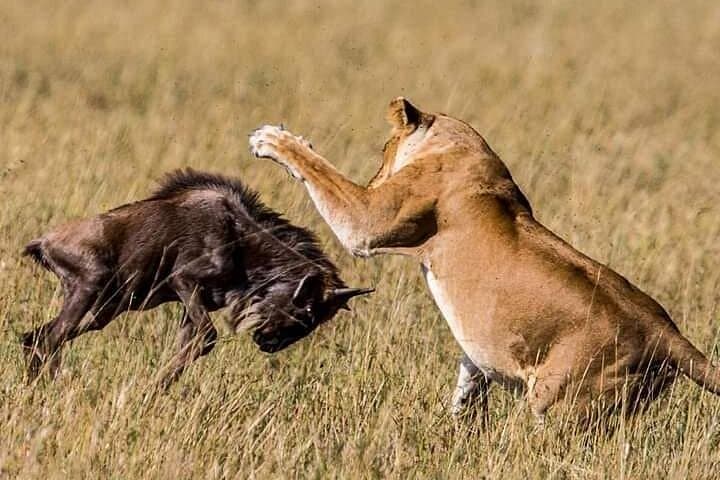
Expect long game drives on rugged tracks, close-up views of the ‘Big Five,’ and seasonal spectacles like the great wildebeest migration (peak movements June–October). Nights are simple but comfortable: tent camping with three meals provided and private transport between sites. The itinerary moves at the animals’ pace, not yours — plan for early wake-ups, midday rests, and hours spent scanning for movement.
Practical tips: carry layered sun protection, a refillable water bottle, binoculars, and a headlamp for camp. Vaccinations and malaria precautions are recommended; park rules strictly limit off-road walking. Respect viewing distances and Maasai land use near conservation boundaries. With basic preparation you’ll trade city noise for the plains’ steady rhythm and return knowing why this landscape has drawn explorers and scientists for over a century.
Guides typically provide basic to comfortable tents with sleeping mats or camp beds and three meals a day—expect rustic but practical accommodations.
Large migration crossings often occur June–October in northern Serengeti; timing varies yearly so specific sightings are never guaranteed.
Travelers should consult a physician for recommended vaccinations and antimalarial prophylaxis well before travel; Yellow Fever certification may be required depending on itinerary.
No—guests must stay with the vehicle unless in designated, guided locations for safety and to protect wildlife.
Sere adventure Safari operates guided outdoor trips and adventures with an emphasis on safety, stewardship, and memorable experiences.
Dawn breaks across a grass sea and the earth exhales: dust curls from the jeep, acacias stand like watchful hands, and a line of wildebeest threads toward the horizon. On this three-day, two-night safari you camp under that expanse, move with the light for dawn and dusk drives, and spend full days tracking the animals that make the plains pulse.
Dawn breaks across a grass sea and the earth exhales: dust curls from the jeep, acacias stand like watchful hands, and a line of wildebeest threads toward the horizon. On this three-day, two-night safari you camp under that expanse, move with the light for dawn and dusk drives, and spend full days tracking the animals that make the plains pulse.
The Serengeti’s broad plains are the product of ancient uplift and long erosion; Ngorongoro’s crater is a collapsed volcano that now holds a dense, crater-bottom ecosystem. Both areas sit within a landscape shaped by human history too — Maasai pastoralists have grazed adjacent lands for generations, and nearby Olduvai Gorge holds some of humanity’s earliest archaeological clues.
Expect long game drives on rugged tracks, close-up views of the ‘Big Five,’ and seasonal spectacles like the great wildebeest migration (peak movements June–October). Nights are simple but comfortable: tent camping with three meals provided and private transport between sites. The itinerary moves at the animals’ pace, not yours — plan for early wake-ups, midday rests, and hours spent scanning for movement.
Practical tips: carry layered sun protection, a refillable water bottle, binoculars, and a headlamp for camp. Vaccinations and malaria precautions are recommended; park rules strictly limit off-road walking. Respect viewing distances and Maasai land use near conservation boundaries. With basic preparation you’ll trade city noise for the plains’ steady rhythm and return knowing why this landscape has drawn explorers and scientists for over a century.