THE ADVENTURE COLLECTIVE® · Independent discovery and booking for outdoor travel

A three-day shared journey from Marrakech to the Erg Chebbi dunes that combines High Atlas passes, UNESCO-listed kasbahs and an overnight Berber tent with a sunset camel ride. Ideal for travelers who want scenic drives, short canyon hikes and classic Sahara sunrises.
A three-day shared journey from Marrakech to the Erg Chebbi dunes that combines High Atlas passes, UNESCO-listed kasbahs and an overnight Berber tent with a sunset camel ride. Ideal for travelers who want scenic drives, short canyon hikes and classic Sahara sunrises.
You push out of Marrakech before dawn, the city lights shrinking behind the High Atlas’s rising silhouette. The road climbs to Tizi n’Tichka (around 2,260 m), where wind-scoured rock and terraced Berber fields give way to ochre plateaus; by late afternoon the horizon softens into the orange swell of Erg Chebbi.
Verified experiences and guided adventures in the surrounding area.
Operated by Safari Desert Tours · Merzouga, Drâa-Tafilalet
You push out of Marrakech before dawn, the city lights shrinking behind the High Atlas’s rising silhouette. The road climbs to Tizi n’Tichka (around 2,260 m), where wind-scoured rock and terraced Berber fields give way to ochre plateaus; by late afternoon the horizon softens into the orange swell of Erg Chebbi.
This route tracks old caravan corridors: Aït Ben Haddou’s mud-brick kasbahs recall trans-Saharan trade, while the Todra and Dades gorges slice through limestone and sandstone carved by millennia of water and wind. Geology here ranges from crystallized High Atlas peaks to the aeolian ripples of the Sahara; culture shifts in parallel, from mountain Berber villages to the nomadic traditions that shaped desert life.
Expect long scenic drives — 6–8 hours on day legs — punctuated by short hikes in Todra, a guided kasbah visit, and a sunset camel ride into Merzouga’s dunes (about 1–1.5 hours). Nights are in simple hotels and a shared Berber tent camp beneath a broad star field. The dunes reward early risers with a famously vivid sunrise; bring a light layer for cold desert mornings and wind.
Practical tips: hydrate often, carry sun protection and a small pack for cameras and snacks, and be ready for dusty trails and loose sand underfoot. While the trip is accessible to most fitness levels, mobility limits — particularly mounting camels and uneven sand — should be considered. The experience is less about speed and more about pacing: quiet walks, cinematic dunes, and the steady rhythm of a camel’s stride.
Yes—two dinners and two breakfasts are included, plus snacks during transfers; lunch stops are typically at local restaurants and may be at your own expense.
The standard camel trek is about 1–1.5 hours each way, timed for sunset and sunrise on most itineraries.
The tour is family-friendly, but camel rides and tent access require some mobility; contact the operator about infant seats and special requirements in advance.
Accommodations mix simple hotels in Dades and traditional Berber-style tents in Merzouga; tents offer communal facilities and basic comforts under desert skies.
Safari Desert Tours operates guided outdoor trips and adventures with an emphasis on safety, stewardship, and memorable experiences.


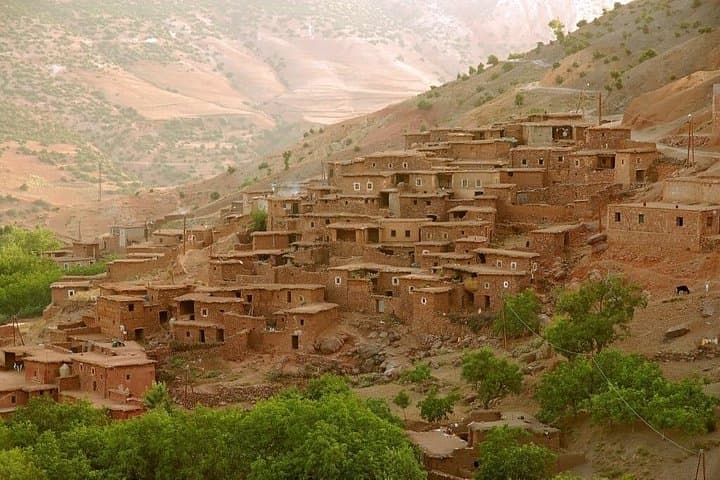
You push out of Marrakech before dawn, the city lights shrinking behind the High Atlas’s rising silhouette. The road climbs to Tizi n’Tichka (around 2,260 m), where wind-scoured rock and terraced Berber fields give way to ochre plateaus; by late afternoon the horizon softens into the orange swell of Erg Chebbi.
You push out of Marrakech before dawn, the city lights shrinking behind the High Atlas’s rising silhouette. The road climbs to Tizi n’Tichka (around 2,260 m), where wind-scoured rock and terraced Berber fields give way to ochre plateaus; by late afternoon the horizon softens into the orange swell of Erg Chebbi.
This route tracks old caravan corridors: Aït Ben Haddou’s mud-brick kasbahs recall trans-Saharan trade, while the Todra and Dades gorges slice through limestone and sandstone carved by millennia of water and wind. Geology here ranges from crystallized High Atlas peaks to the aeolian ripples of the Sahara; culture shifts in parallel, from mountain Berber villages to the nomadic traditions that shaped desert life.
Expect long scenic drives — 6–8 hours on day legs — punctuated by short hikes in Todra, a guided kasbah visit, and a sunset camel ride into Merzouga’s dunes (about 1–1.5 hours). Nights are in simple hotels and a shared Berber tent camp beneath a broad star field. The dunes reward early risers with a famously vivid sunrise; bring a light layer for cold desert mornings and wind.
Practical tips: hydrate often, carry sun protection and a small pack for cameras and snacks, and be ready for dusty trails and loose sand underfoot. While the trip is accessible to most fitness levels, mobility limits — particularly mounting camels and uneven sand — should be considered. The experience is less about speed and more about pacing: quiet walks, cinematic dunes, and the steady rhythm of a camel’s stride.