THE ADVENTURE COLLECTIVE® · Independent discovery and booking for outdoor travel

Experience Angkor’s sunrise, Bayon’s stone faces, jungle-cloaked Ta Prohm and a floating village on Tonle Sap across three days. This compact itinerary balances major monuments with local culture and practical tips for respectful travel.
Experience Angkor’s sunrise, Bayon’s stone faces, jungle-cloaked Ta Prohm and a floating village on Tonle Sap across three days. This compact itinerary balances major monuments with local culture and practical tips for respectful travel.
Morning light breaks across the moat and Angkor Wat rises like a carved memory; dust motes lift and the temple seems to breathe with the day. Over three days a traveler moves from that iconic silhouette through the stone faces of Bayon, the tree-swathed corridors of Ta Prohm, and into the quieter edges of Tonle Sap where stilt houses rock gently with the lake.
Verified experiences and guided adventures in the surrounding area.
Operated by Marvel Angkor Tours · Siem Reap, Siem Reap Province
Morning light breaks across the moat and Angkor Wat rises like a carved memory; dust motes lift and the temple seems to breathe with the day. Over three days a traveler moves from that iconic silhouette through the stone faces of Bayon, the tree-swathed corridors of Ta Prohm, and into the quieter edges of Tonle Sap where stilt houses rock gently with the lake.
The region is a product of Khmer ambition and riverine geology: sandstone and laterite quarried and shaped into reliefs that record kings, gods and daily life. Angkor’s 9th–15th century monuments reflect a civilization that engineered reservoirs, canals and urban grids to harness monsoon waters—the same hydrology that lets Kampong Phluk float and the flooded forests pulse each wet season.
Culture here is tactile and presentable: temple etiquette, rice-field crafts, and markets where silk and fish paste sit side-by-side. Local guides thread history and folklore into each stop, turning architecture into story.
Practical guidance: plan sunrise at Angkor Wat to avoid mid-day heat, bring sun protection and breathable, modest clothing for temple entry, and carry Cambodian riel or small USD for markets and tips. Walking surfaces range from level stone causeways to uneven jungle paths and short climbs (Phnom Bakheng). Expect humid conditions, sudden showers in wet months, and opportunities to photograph both grand vistas and intimate village life. Respect carvings and follow guides’ directions—preserving fragile stonework is part of the visit. With measured pacing the three-day loop balances major highlights and quieter corners, leaving room to listen to the river at dusk and the cicadas that claim the ruins by night.
Yes—most temple authorities require modest dress; bring a scarf or sarong if needed.
Sunrise is popular; arriving very early with a guide secures a vantage point and helps avoid peak crowds.
Check your booking details—many tour prices exclude the Angkor Archaeological Park pass, which is purchased separately on site.
Yes, but water levels vary: the wet season floods the area and enables boat access through forested channels, while the dry season shifts village activities to stilted walkways.
Marvel Angkor Tours operates guided outdoor trips and adventures with an emphasis on safety, stewardship, and memorable experiences.
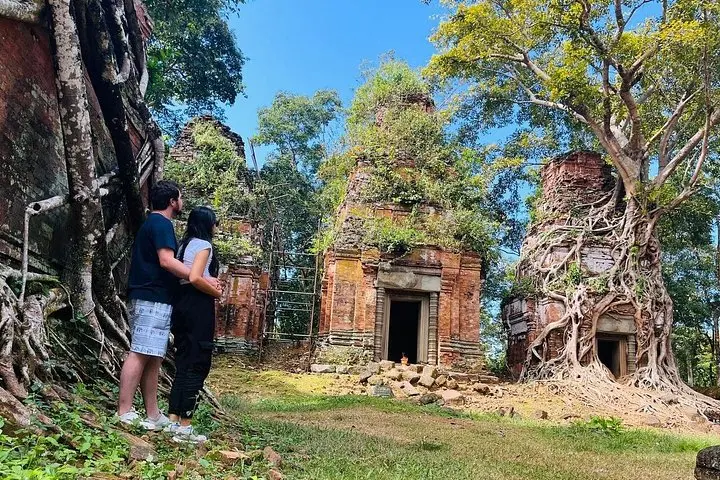
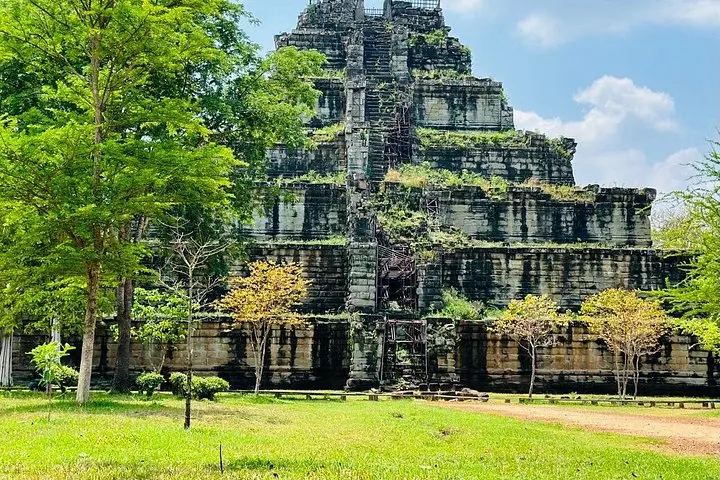
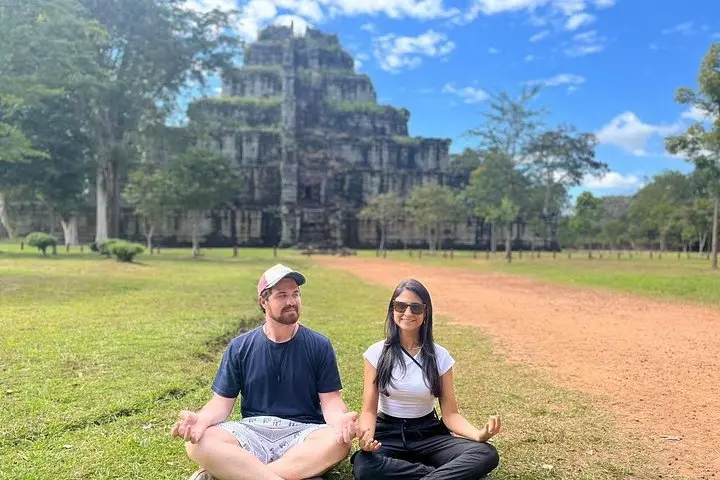
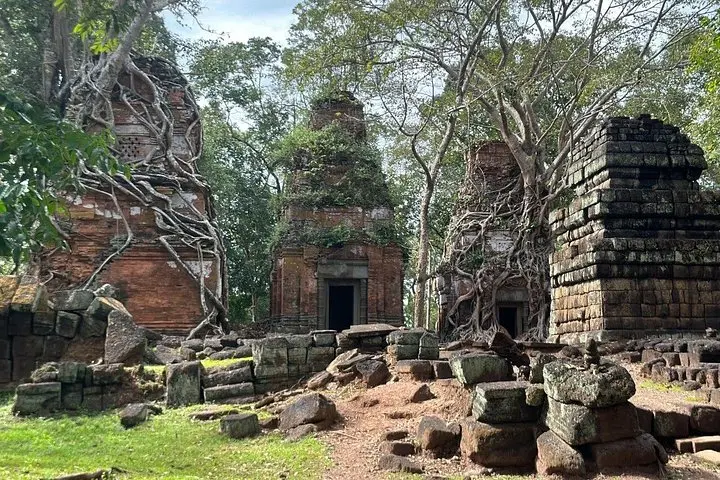
Morning light breaks across the moat and Angkor Wat rises like a carved memory; dust motes lift and the temple seems to breathe with the day. Over three days a traveler moves from that iconic silhouette through the stone faces of Bayon, the tree-swathed corridors of Ta Prohm, and into the quieter edges of Tonle Sap where stilt houses rock gently with the lake.
Morning light breaks across the moat and Angkor Wat rises like a carved memory; dust motes lift and the temple seems to breathe with the day. Over three days a traveler moves from that iconic silhouette through the stone faces of Bayon, the tree-swathed corridors of Ta Prohm, and into the quieter edges of Tonle Sap where stilt houses rock gently with the lake.
The region is a product of Khmer ambition and riverine geology: sandstone and laterite quarried and shaped into reliefs that record kings, gods and daily life. Angkor’s 9th–15th century monuments reflect a civilization that engineered reservoirs, canals and urban grids to harness monsoon waters—the same hydrology that lets Kampong Phluk float and the flooded forests pulse each wet season.
Culture here is tactile and presentable: temple etiquette, rice-field crafts, and markets where silk and fish paste sit side-by-side. Local guides thread history and folklore into each stop, turning architecture into story.
Practical guidance: plan sunrise at Angkor Wat to avoid mid-day heat, bring sun protection and breathable, modest clothing for temple entry, and carry Cambodian riel or small USD for markets and tips. Walking surfaces range from level stone causeways to uneven jungle paths and short climbs (Phnom Bakheng). Expect humid conditions, sudden showers in wet months, and opportunities to photograph both grand vistas and intimate village life. Respect carvings and follow guides’ directions—preserving fragile stonework is part of the visit. With measured pacing the three-day loop balances major highlights and quieter corners, leaving room to listen to the river at dusk and the cicadas that claim the ruins by night.