THE ADVENTURE COLLECTIVE® · Independent discovery and booking for outdoor travel

A focused three-day private tour that covers Angkor Wat, Angkor Thom, Ta Prohm, the Rolous Group, Tonle Sap and Phnom Kulen. Ideal for travelers who want a guided, full‑day itinerary with entrance fees and hotel pickup included.
A focused three-day private tour that covers Angkor Wat, Angkor Thom, Ta Prohm, the Rolous Group, Tonle Sap and Phnom Kulen. Ideal for travelers who want a guided, full‑day itinerary with entrance fees and hotel pickup included.
The sun is a pale coin rising over the Angkor Wat reflecting pool as tuk-tuks hum toward the temple complex. Stone steps hold the day’s first cool; monks in saffron move like punctuation through carved galleries. Over three days you move from the broad, ceremonial avenues of Angkor Thom to the root-choked corridors of Ta Prohm, and up into Phnom Kulen where the river bed is mapped with thousands of carved lingams.
Verified experiences and guided adventures in the surrounding area.
Operated by Angkor Boutique Tours · Siem Reap, Siem Reap Province
The sun is a pale coin rising over the Angkor Wat reflecting pool as tuk-tuks hum toward the temple complex. Stone steps hold the day’s first cool; monks in saffron move like punctuation through carved galleries. Over three days you move from the broad, ceremonial avenues of Angkor Thom to the root-choked corridors of Ta Prohm, and up into Phnom Kulen where the river bed is mapped with thousands of carved lingams.
This route traces the Khmer Empire’s high points: 9th–15th century capitals, sandstone megastructures built atop laterite foundations, and religious layers that shifted from Hindu to Buddhist iconography. Ta Prohm’s banyans press at walls like patient claimants; Banteay Srei’s pink sandstone, farther out, rewards a closer look at delicate reliefs. On Day Two the Tonle Sap’s floating villages reveal a river-adapted culture—houses on stilts and seasonal livelihoods tied to monsoon rhythms.
Practicalities are straightforward but essential. Tours start early to beat heat and crowds; carry a refillable water bottle, wear light but respectful clothing (knees and shoulders covered) and sturdy shoes for uneven temple stones. Expect long walking days—guides provide local context, cold towels and bottled water. Photography is permitted in many areas but follow signage and guide instructions; some inner sanctums restrict access. Weather changes quickly—mornings are cooler, afternoons humid with possible showers—so layer and protect electronics.
Three days gives a thorough introduction: major temples, a living lake culture, and Kulen’s waterfall and river carvings. Travel thoughtfully, support licensed guides, and leave the monuments as you found them.
Yes—this private VIP package includes all entrance fees listed in the itinerary; guides will handle ticket logistics and timing.
The tour is suitable for children but involves long walking and steep temple steps; infants must sit on laps and specialized seats are available in vehicles.
Early morning is best for sunrise at Angkor Wat and cooler temperatures; late afternoon can be pleasant but expect more visitors at peak times.
Tipping is customary in Cambodia—consider a modest daily tip for your guide and driver based on service quality (e.g., some USD per person per day).
Angkor Boutique Tours operates guided outdoor trips and adventures with an emphasis on safety, stewardship, and memorable experiences.
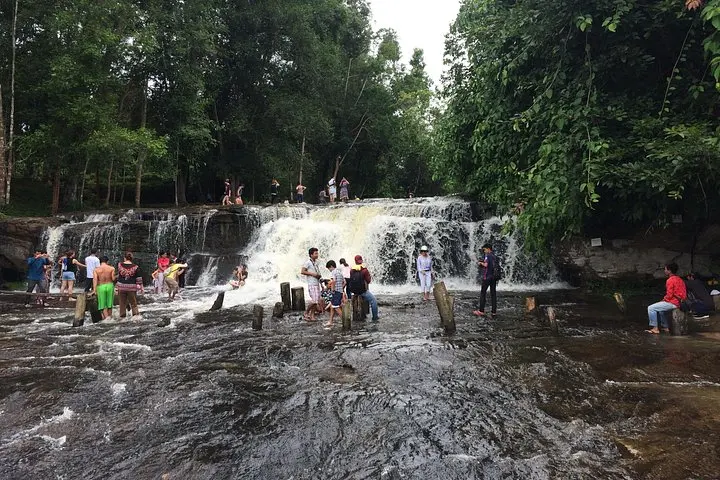
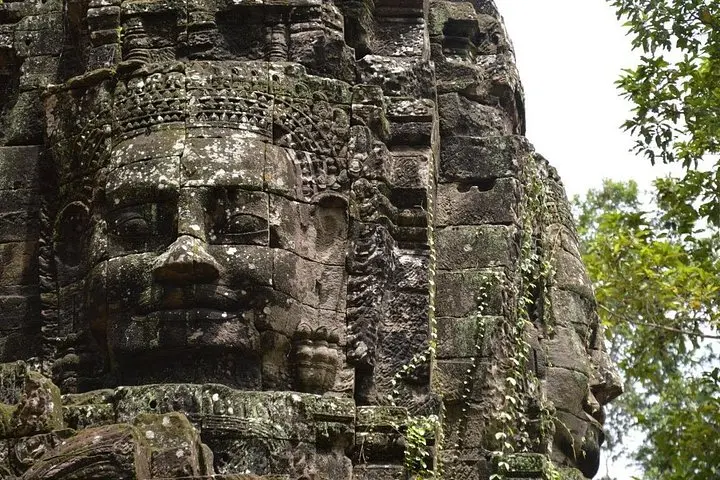
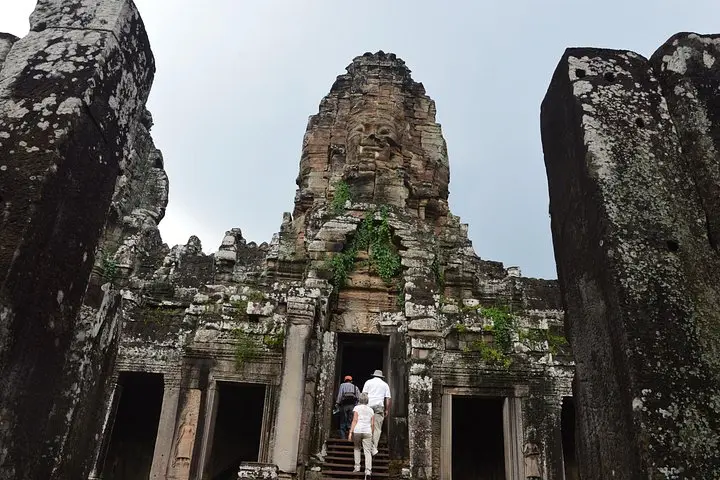
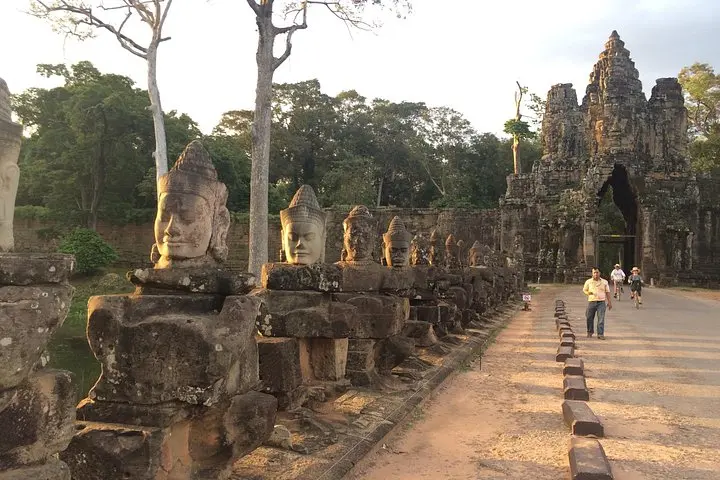
The sun is a pale coin rising over the Angkor Wat reflecting pool as tuk-tuks hum toward the temple complex. Stone steps hold the day’s first cool; monks in saffron move like punctuation through carved galleries. Over three days you move from the broad, ceremonial avenues of Angkor Thom to the root-choked corridors of Ta Prohm, and up into Phnom Kulen where the river bed is mapped with thousands of carved lingams.
The sun is a pale coin rising over the Angkor Wat reflecting pool as tuk-tuks hum toward the temple complex. Stone steps hold the day’s first cool; monks in saffron move like punctuation through carved galleries. Over three days you move from the broad, ceremonial avenues of Angkor Thom to the root-choked corridors of Ta Prohm, and up into Phnom Kulen where the river bed is mapped with thousands of carved lingams.
This route traces the Khmer Empire’s high points: 9th–15th century capitals, sandstone megastructures built atop laterite foundations, and religious layers that shifted from Hindu to Buddhist iconography. Ta Prohm’s banyans press at walls like patient claimants; Banteay Srei’s pink sandstone, farther out, rewards a closer look at delicate reliefs. On Day Two the Tonle Sap’s floating villages reveal a river-adapted culture—houses on stilts and seasonal livelihoods tied to monsoon rhythms.
Practicalities are straightforward but essential. Tours start early to beat heat and crowds; carry a refillable water bottle, wear light but respectful clothing (knees and shoulders covered) and sturdy shoes for uneven temple stones. Expect long walking days—guides provide local context, cold towels and bottled water. Photography is permitted in many areas but follow signage and guide instructions; some inner sanctums restrict access. Weather changes quickly—mornings are cooler, afternoons humid with possible showers—so layer and protect electronics.
Three days gives a thorough introduction: major temples, a living lake culture, and Kulen’s waterfall and river carvings. Travel thoughtfully, support licensed guides, and leave the monuments as you found them.