THE ADVENTURE COLLECTIVE® · Independent discovery and booking for outdoor travel

Escape Pokhara’s crowds on a three-day circuit into Sikles and up to Kapuche Glacier Lake—an alpine short-trek that pairs Gurung village culture with close-up views of Annapurna and Manaslu. Read on for what to expect and how to prepare.
Escape Pokhara’s crowds on a three-day circuit into Sikles and up to Kapuche Glacier Lake—an alpine short-trek that pairs Gurung village culture with close-up views of Annapurna and Manaslu. Read on for what to expect and how to prepare.
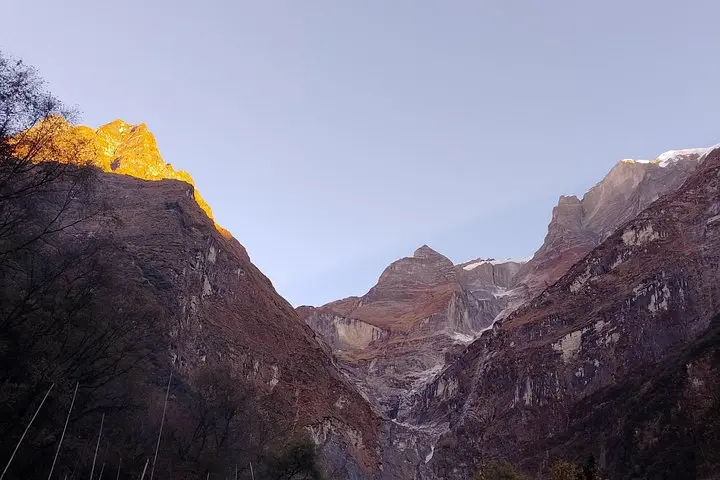
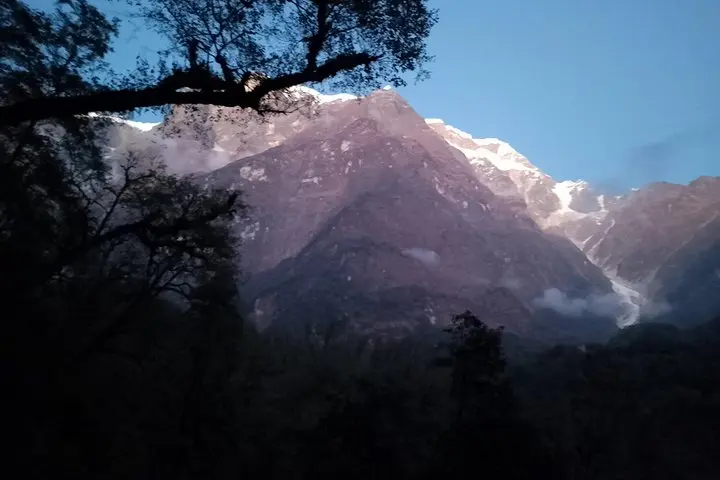
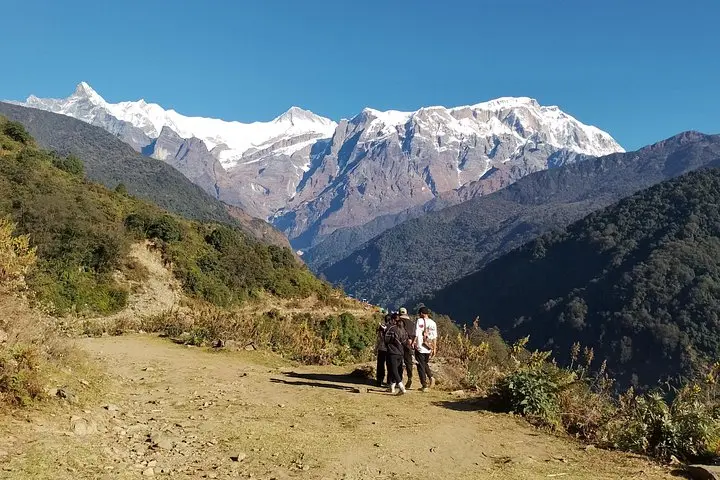
You climb out of Pokhara before dawn, the jeep slurring along narrow mountain roads while low clouds peel back to reveal teeth of granite and snow. By mid-morning the trail leaves the traffic noise behind; wood-framed Gurung homes and tiered rice fields step in. The second day pushes higher—ridges open toward Annapurna IV and Manaslu, and Kapuche Glacier Lake appears like a bright, cold eye beneath a jumble of seracs.
Verified experiences and guided adventures in the surrounding area.
Operated by CAN Travels · Sikles, Gandaki Province
You climb out of Pokhara before dawn, the jeep slurring along narrow mountain roads while low clouds peel back to reveal teeth of granite and snow. By mid-morning the trail leaves the traffic noise behind; wood-framed Gurung homes and tiered rice fields step in. The second day pushes higher—ridges open toward Annapurna IV and Manaslu, and Kapuche Glacier Lake appears like a bright, cold eye beneath a jumble of seracs.
The Sikles area sits in Kaski District, a cultural pocket inhabited by Gurung and Magar communities whose carved homes and seasonal festivals reflect centuries of hill agriculture. Geologically, the route traces young Himalayan uplift—steep valleys, glacial moraines, and loose scree near the lake. Watercourses, fed by melt and monsoon, insistently shape the terraces and gullies you cross.
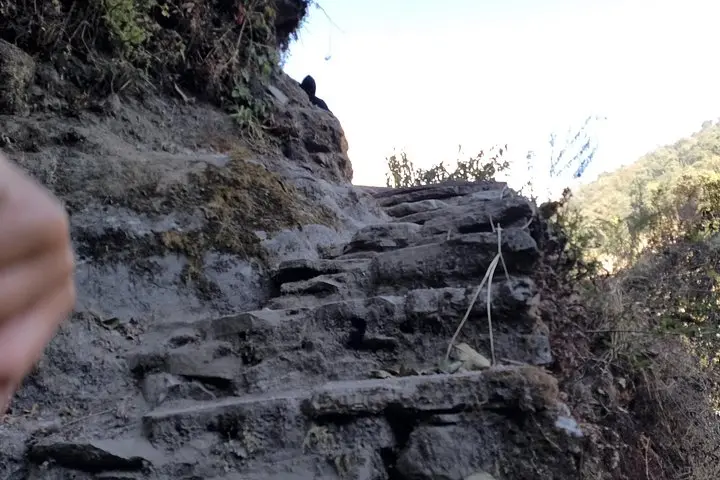
Practical guidance: the full circuit is roughly 30–45 km round trip with maximum elevation near 3,000–3,200 m; expect 4–7 hours of hiking on summit days and an elevation gain up to 1,200 m from Sikles to the lake. Trails alternate packed earth, stone steps, and rocky stretches—good ankle support is essential. Weather can flip quickly: start early to avoid afternoon storms, carry 2–3 liters of water, and use layered insulation for cold nights by the lake.
Expect basic tea-house accommodation and local meals; permit handling and a licensed guide streamline logistics. Photographers will find intimate village scenes and high alpine stillness, while hikers get a compact high-country trek that balances culture, geology, and quiet Himalayan exposure.
Trekking permits and any local fees are typically included or arranged by the operator; carry ID and your guide’s contact details.
Accommodation is basic tea-house and guest house style—shared rooms, simple meals, and limited hot water at higher elevations.
This route reaches around 3,000–3,200 m; acclimatize, stay hydrated, and report symptoms to your guide—slow ascent reduces risk.
Best seasons are spring and fall for stable weather and views; monsoon months bring heavy rain and winter can bring snow at higher elevations.
CAN Travels operates guided outdoor trips and adventures with an emphasis on safety, stewardship, and memorable experiences.
You climb out of Pokhara before dawn, the jeep slurring along narrow mountain roads while low clouds peel back to reveal teeth of granite and snow. By mid-morning the trail leaves the traffic noise behind; wood-framed Gurung homes and tiered rice fields step in. The second day pushes higher—ridges open toward Annapurna IV and Manaslu, and Kapuche Glacier Lake appears like a bright, cold eye beneath a jumble of seracs.
You climb out of Pokhara before dawn, the jeep slurring along narrow mountain roads while low clouds peel back to reveal teeth of granite and snow. By mid-morning the trail leaves the traffic noise behind; wood-framed Gurung homes and tiered rice fields step in. The second day pushes higher—ridges open toward Annapurna IV and Manaslu, and Kapuche Glacier Lake appears like a bright, cold eye beneath a jumble of seracs.
The Sikles area sits in Kaski District, a cultural pocket inhabited by Gurung and Magar communities whose carved homes and seasonal festivals reflect centuries of hill agriculture. Geologically, the route traces young Himalayan uplift—steep valleys, glacial moraines, and loose scree near the lake. Watercourses, fed by melt and monsoon, insistently shape the terraces and gullies you cross.
Practical guidance: the full circuit is roughly 30–45 km round trip with maximum elevation near 3,000–3,200 m; expect 4–7 hours of hiking on summit days and an elevation gain up to 1,200 m from Sikles to the lake. Trails alternate packed earth, stone steps, and rocky stretches—good ankle support is essential. Weather can flip quickly: start early to avoid afternoon storms, carry 2–3 liters of water, and use layered insulation for cold nights by the lake.
Expect basic tea-house accommodation and local meals; permit handling and a licensed guide streamline logistics. Photographers will find intimate village scenes and high alpine stillness, while hikers get a compact high-country trek that balances culture, geology, and quiet Himalayan exposure.