THE ADVENTURE COLLECTIVE® · Independent discovery and booking for outdoor travel

A compact three-day trek from Pokhara into lower Himalayan ridgelines to visit Kopuche (Kopche) glacial lake and Sikles village. Expect village homestays, mixed dirt-and-stone trails, and dramatic viewpoints at ~2,546 m.
A compact three-day trek from Pokhara into lower Himalayan ridgelines to visit Kopuche (Kopche) glacial lake and Sikles village. Expect village homestays, mixed dirt-and-stone trails, and dramatic viewpoints at ~2,546 m.
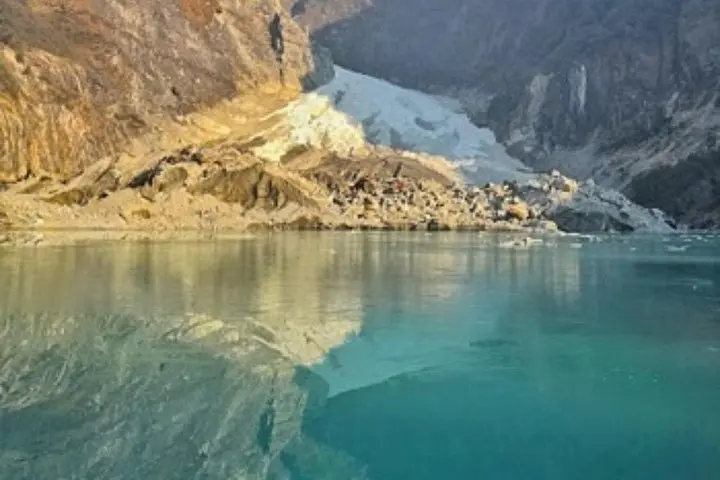
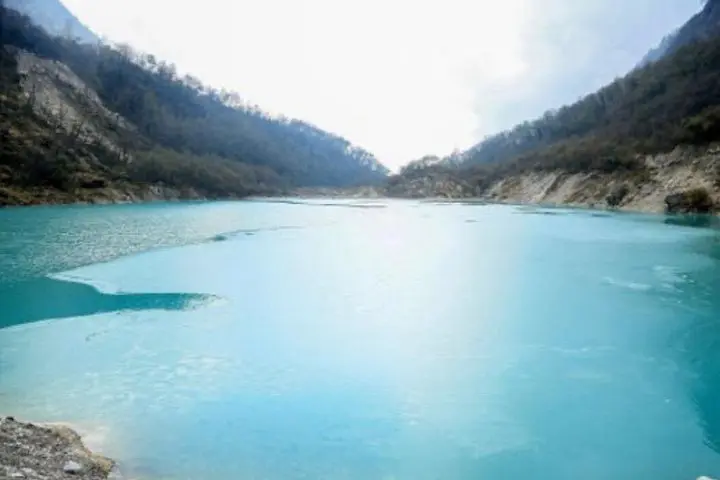
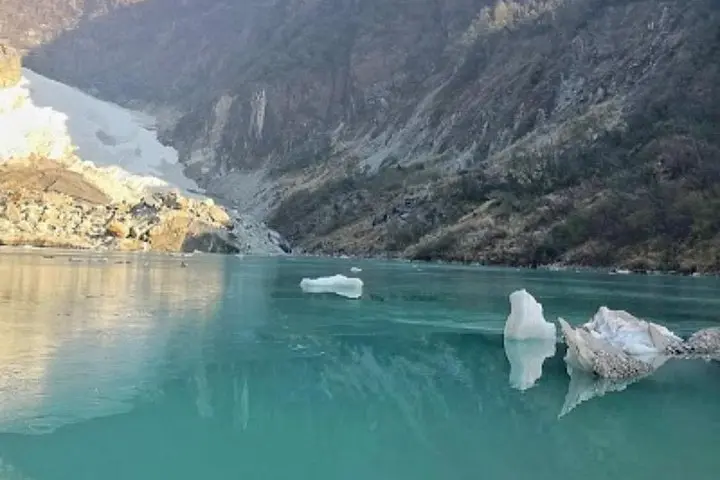
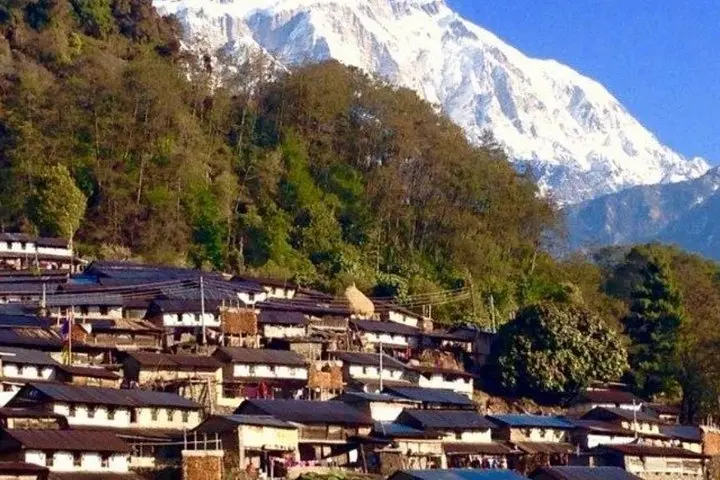
At dawn the trail leaves the last terraces and pushes into pine-scented ridgelines, the Kopuche glacial lake winking like a low-lying mirror ahead. Over three days you walk through cultivated lower Himalayan slopes, pass the stacked stone houses of Sikles village and arrive at Kopuche at about 2,546 meters, a highland pocket of turquoise tucked below serrated peaks.
Verified experiences and guided adventures in the surrounding area.
Operated by Peak to Peak Tours and Treks Pvt Ltd · Pokhara, Gandaki Province
At dawn the trail leaves the last terraces and pushes into pine-scented ridgelines, the Kopuche glacial lake winking like a low-lying mirror ahead. Over three days you walk through cultivated lower Himalayan slopes, pass the stacked stone houses of Sikles village and arrive at Kopuche at about 2,546 meters, a highland pocket of turquoise tucked below serrated peaks.
Sikles is home to the Gurung community; its narrow paths, wooden balconies and grain-drying platforms reflect a living mountain culture that has traded salt and rice along these ridges for generations. Geologically the route follows schist and phyllite outcrops left behind by Himalayan uplift, and the lake sits in a shallow moraine basin carved by ancient ice. Birdsong and the occasional distant watercourse mark changes in elevation as rhododendron and fir take over the slopes.
Expect two to five hours of walking a day on uneven dirt paths and stone steps, with modest ascents and a final climb to the lake. Nights are in village homestays or small lodges; toilets can be basic and hot water is limited. Plan for sudden weather shifts—clear mornings can cloud by afternoon—and bring layered insulation, waterproof outerwear, and sturdy boots.
Book through Pokhara; allow time for a rest day afterward. Respect local customs, carry out waste, and hire a licensed guide to support navigation and cultural insight—this route rewards steady pacing and curiosity. Carry cash for homestays, confirm pickup in Pokhara, and consider a short acclimatization walk before starting. Bring sunscreen, headlamp, and a map.
The Kopuche glacial lake sits around 2,546 meters; the trail stays in lower Himalayan elevations where altitude effects are moderate.
Nights are typically in Sikles village homestays or small teahouse-style lodges offering basic rooms and home-cooked meals.
No special permits are required for this short local trek, but bring ID and confirm local guide arrangements through your operator in Pokhara.
Spring (March–May) and autumn (September–November) offer the clearest views and stable weather; monsoon months are wet and winter can be cold at night.
Peak to Peak Tours and Treks Pvt Ltd operates guided outdoor trips and adventures with an emphasis on safety, stewardship, and memorable experiences.
At dawn the trail leaves the last terraces and pushes into pine-scented ridgelines, the Kopuche glacial lake winking like a low-lying mirror ahead. Over three days you walk through cultivated lower Himalayan slopes, pass the stacked stone houses of Sikles village and arrive at Kopuche at about 2,546 meters, a highland pocket of turquoise tucked below serrated peaks.
At dawn the trail leaves the last terraces and pushes into pine-scented ridgelines, the Kopuche glacial lake winking like a low-lying mirror ahead. Over three days you walk through cultivated lower Himalayan slopes, pass the stacked stone houses of Sikles village and arrive at Kopuche at about 2,546 meters, a highland pocket of turquoise tucked below serrated peaks.
Sikles is home to the Gurung community; its narrow paths, wooden balconies and grain-drying platforms reflect a living mountain culture that has traded salt and rice along these ridges for generations. Geologically the route follows schist and phyllite outcrops left behind by Himalayan uplift, and the lake sits in a shallow moraine basin carved by ancient ice. Birdsong and the occasional distant watercourse mark changes in elevation as rhododendron and fir take over the slopes.
Expect two to five hours of walking a day on uneven dirt paths and stone steps, with modest ascents and a final climb to the lake. Nights are in village homestays or small lodges; toilets can be basic and hot water is limited. Plan for sudden weather shifts—clear mornings can cloud by afternoon—and bring layered insulation, waterproof outerwear, and sturdy boots.
Book through Pokhara; allow time for a rest day afterward. Respect local customs, carry out waste, and hire a licensed guide to support navigation and cultural insight—this route rewards steady pacing and curiosity. Carry cash for homestays, confirm pickup in Pokhara, and consider a short acclimatization walk before starting. Bring sunscreen, headlamp, and a map.