THE ADVENTURE COLLECTIVE® · Independent discovery and booking for outdoor travel

Three days of highland walking through Simien Mountains National Park: Sankaber to Geech to Imet Gogo. Expect escarpments, Gelada troops, Jinbar waterfall and cold alpine nights—best for fit hikers prepared for altitude.
Three days of highland walking through Simien Mountains National Park: Sankaber to Geech to Imet Gogo. Expect escarpments, Gelada troops, Jinbar waterfall and cold alpine nights—best for fit hikers prepared for altitude.
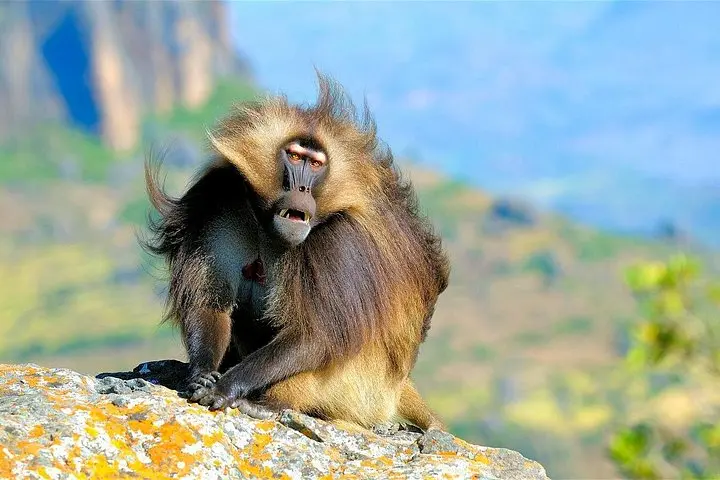
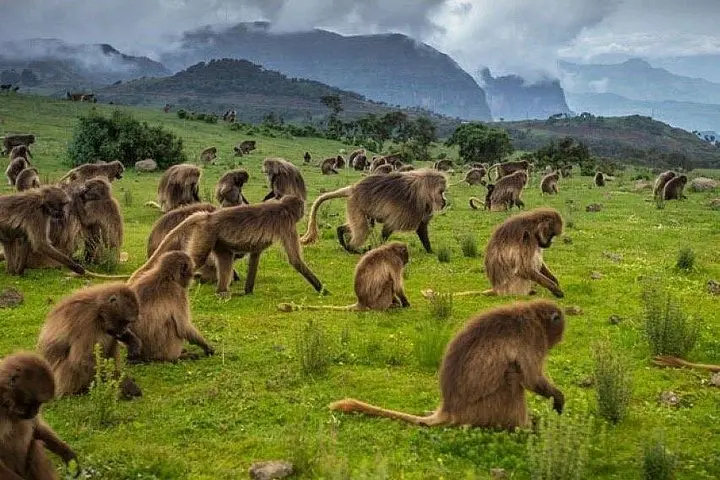
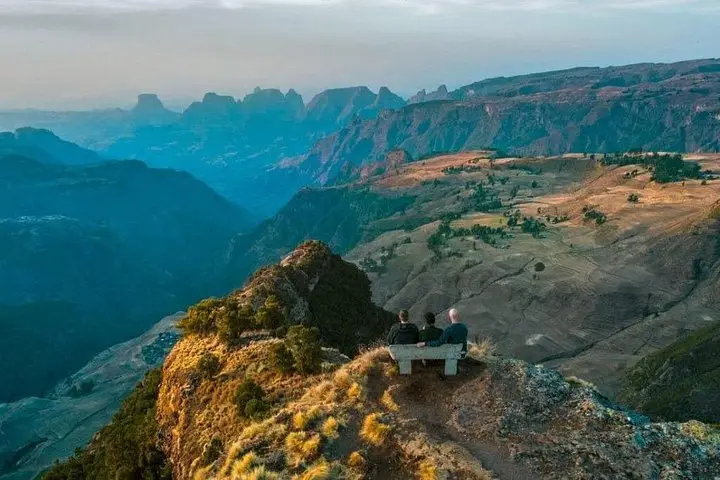
Dawn breaks over a high plateau and the air is thin and sharp — you step onto a grass-swept ridge with Giant Lobelia looming like living columns and the valley dropping away in a thousand-meter fall. On this three-day circuit through Simien Mountains National Park hikers move between camps at Sankaber, Geech and Imet Gogo, following narrow tracks where Gelada baboons forage and the Jinbar River thunders below.
Verified experiences and guided adventures in the surrounding area.
Operated by Ethio Target Tours · Debark, Amhara
Dawn breaks over a high plateau and the air is thin and sharp — you step onto a grass-swept ridge with Giant Lobelia looming like living columns and the valley dropping away in a thousand-meter fall. On this three-day circuit through Simien Mountains National Park hikers move between camps at Sankaber, Geech and Imet Gogo, following narrow tracks where Gelada baboons forage and the Jinbar River thunders below.
The park, a UNESCO World Heritage Site since 1978, is carved from ancient volcanic flows into steep escarpments, plateaus and deep gorges. Highland farms cling to lower slopes and traditional Amhara villages offer a cultural counterpoint to the alpine landscape. Geology here explains the drama: uplifted basalt and erosional cliffs create the abrupt drops that produce sweeping viewpoints.
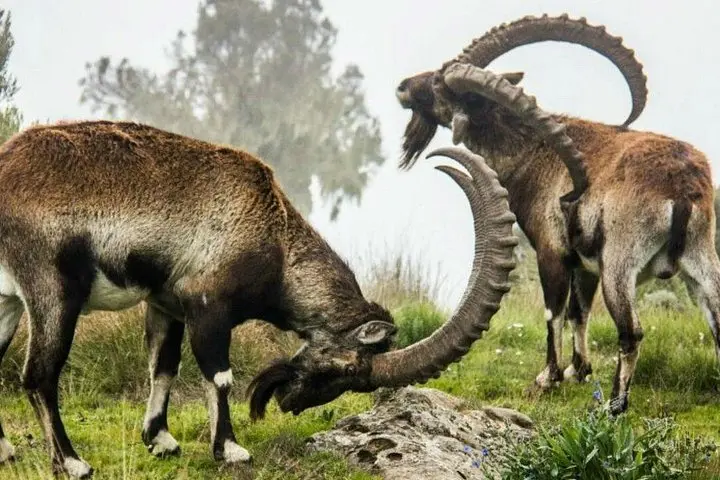
Expect walking at elevations around 3,200–3,600 m ASL, rocky trails and river descents, with notable wildlife sightings including geladas and the lammergeier. Camps are basic—canvas platforms or managed campsites with local staff handling logistics—and daylight hours are the time to move between viewpoints.
Practical guidance: acclimatize in Gondar or Debark, pack warm layers for cold nights, carry at least 2–3 liters of water and sun protection for high-altitude exposure. Plan for muddy sections during the rainy season and short, steep ascents that test lungs more than ankles. With a competent local guide and steady fitness, the trail delivers some of Ethiopia’s most uncompromising and rewarding mountain scenery.
The itinerary includes obtaining the park permit at Debark and the mandatory park scout; operators usually handle the paperwork on arrival.
Symptoms can appear above 2,500 m; allow time for acclimatization, stay hydrated, ascend slowly and consult a physician about medications like acetazolamide if prone to AMS.
The tour lists breakfast, lunch and dinner included during the trek; local operators typically supply tents and sleeping platforms, but confirm sleeping bag requirements before booking.
Pickup and drop-off are arranged in Gondar; the drive to Debark takes about 2–3 hours and the trek begins near the Simien Lodge/Buytras area.
Ethio Target Tours operates guided outdoor trips and adventures with an emphasis on safety, stewardship, and memorable experiences.
Dawn breaks over a high plateau and the air is thin and sharp — you step onto a grass-swept ridge with Giant Lobelia looming like living columns and the valley dropping away in a thousand-meter fall. On this three-day circuit through Simien Mountains National Park hikers move between camps at Sankaber, Geech and Imet Gogo, following narrow tracks where Gelada baboons forage and the Jinbar River thunders below.
Dawn breaks over a high plateau and the air is thin and sharp — you step onto a grass-swept ridge with Giant Lobelia looming like living columns and the valley dropping away in a thousand-meter fall. On this three-day circuit through Simien Mountains National Park hikers move between camps at Sankaber, Geech and Imet Gogo, following narrow tracks where Gelada baboons forage and the Jinbar River thunders below.
The park, a UNESCO World Heritage Site since 1978, is carved from ancient volcanic flows into steep escarpments, plateaus and deep gorges. Highland farms cling to lower slopes and traditional Amhara villages offer a cultural counterpoint to the alpine landscape. Geology here explains the drama: uplifted basalt and erosional cliffs create the abrupt drops that produce sweeping viewpoints.
Expect walking at elevations around 3,200–3,600 m ASL, rocky trails and river descents, with notable wildlife sightings including geladas and the lammergeier. Camps are basic—canvas platforms or managed campsites with local staff handling logistics—and daylight hours are the time to move between viewpoints.
Practical guidance: acclimatize in Gondar or Debark, pack warm layers for cold nights, carry at least 2–3 liters of water and sun protection for high-altitude exposure. Plan for muddy sections during the rainy season and short, steep ascents that test lungs more than ankles. With a competent local guide and steady fitness, the trail delivers some of Ethiopia’s most uncompromising and rewarding mountain scenery.