THE ADVENTURE COLLECTIVE® · Independent discovery and booking for outdoor travel

Drive deep into Egypt’s Western Desert for three days among palm groves, high-salinity lakes and the ruins of the Oracle of Amun. This private Siwa tour mixes desert driving with spring-fed swims, ancient sites, and local markets.
Drive deep into Egypt’s Western Desert for three days among palm groves, high-salinity lakes and the ruins of the Oracle of Amun. This private Siwa tour mixes desert driving with spring-fed swims, ancient sites, and local markets.
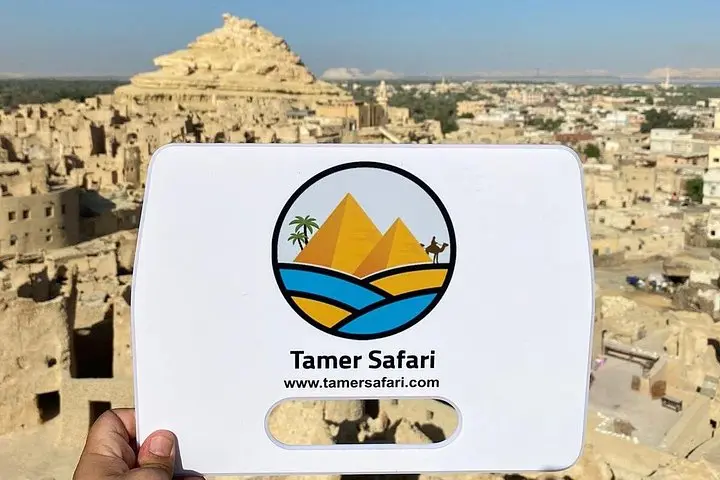
You arrive as the highway thins into flat, bleached desert and the air sharpens with salt—Siwa appears like an island of palms against endless sand. On the first evening the town’s low, sun-baked walls take on a copper glow; date stalls and olive presses hum softly while the Shali ruins silhouette the sky.
Verified experiences and guided adventures in the surrounding area.
Operated by Tamer Safari · Siwa, Matrouh Governorate
You arrive as the highway thins into flat, bleached desert and the air sharpens with salt—Siwa appears like an island of palms against endless sand. On the first evening the town’s low, sun-baked walls take on a copper glow; date stalls and olive presses hum softly while the Shali ruins silhouette the sky.
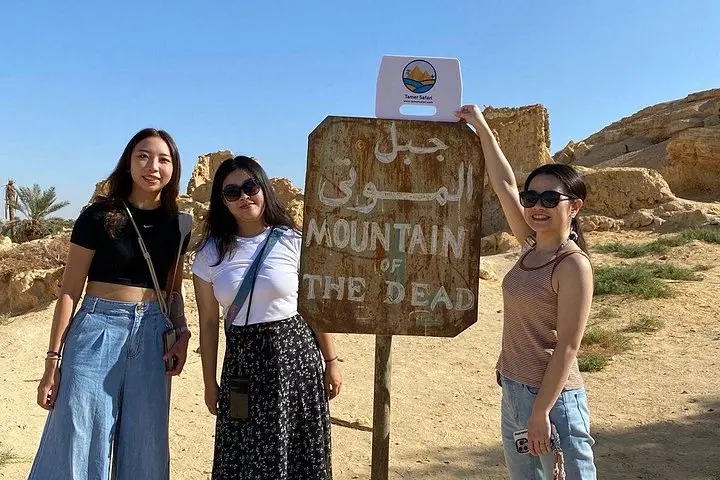
Siwa sits roughly 750 km west of Cairo and has been a crossroads since antiquity. The Temple of Amun made Siwa famous: accounts credit Alexander the Great’s visit, and the oasis later became a remote seat of Berber culture. Geologically the region is an expanse of limestone and evaporite basins; high-salinity lakes and spring-fed pools form in depressions where underground aquifers meet the surface. The old Shali fortress—built of kershef (salt-and-clay)—and the nearby necropolis known as the Mountain of the Dead give the place its layered human history.
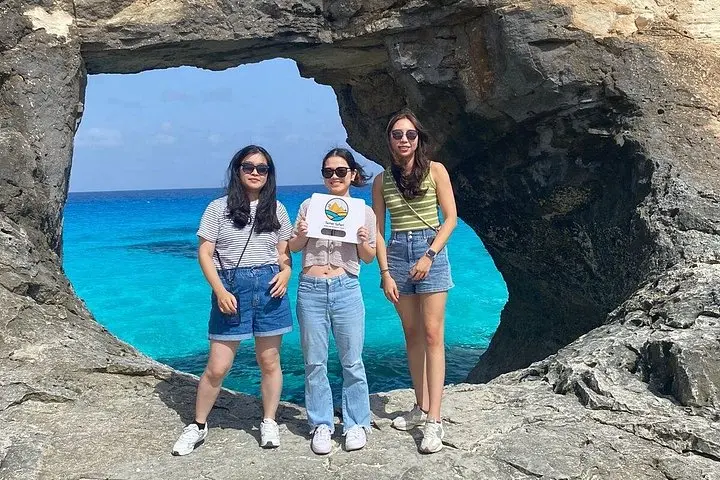
Culture here is distinct: the Siwi language, handcrafted olive oil and date products, and marketplaces where local artisans sell woven goods. The salt lakes can make you float like the Dead Sea; the springs give cool refuge from desert heat.
Practical guide: the trip is a 3-day loop with long driving segments (expect roughly 10–12 hours one-way from Cairo by road, with stops in Marsa Matrouh). Pack sun protection, a refillable water bottle, light layered clothing for cool nights, and sturdy shoes for uneven kershef ruins and dune edges. Aim to visit salt lakes in late afternoon for easier access and softer light. Carry Egyptian pounds for markets, and respect local customs—modest dress in village areas. Mobile signal is intermittent; plan logistics and fuel carefully.
Expect roughly 10–12 hours by car with stops; the route commonly passes Marsa Matrouh for a break on the coast.
This private 3-day itinerary typically includes entrance fees for mentioned sites and meals as listed in the itinerary, but confirm specifics with the operator.
Yes — several fresh springs and shallow salt basins are accessible for rinsing and floating; avoid sensitive reed beds and follow guide instructions.
Siwa is generally safe and welcoming; normal travel precautions apply, and modest dress is recommended in village areas.
Tamer Safari operates guided outdoor trips and adventures with an emphasis on safety, stewardship, and memorable experiences.

You arrive as the highway thins into flat, bleached desert and the air sharpens with salt—Siwa appears like an island of palms against endless sand. On the first evening the town’s low, sun-baked walls take on a copper glow; date stalls and olive presses hum softly while the Shali ruins silhouette the sky.
You arrive as the highway thins into flat, bleached desert and the air sharpens with salt—Siwa appears like an island of palms against endless sand. On the first evening the town’s low, sun-baked walls take on a copper glow; date stalls and olive presses hum softly while the Shali ruins silhouette the sky.
Siwa sits roughly 750 km west of Cairo and has been a crossroads since antiquity. The Temple of Amun made Siwa famous: accounts credit Alexander the Great’s visit, and the oasis later became a remote seat of Berber culture. Geologically the region is an expanse of limestone and evaporite basins; high-salinity lakes and spring-fed pools form in depressions where underground aquifers meet the surface. The old Shali fortress—built of kershef (salt-and-clay)—and the nearby necropolis known as the Mountain of the Dead give the place its layered human history.
Culture here is distinct: the Siwi language, handcrafted olive oil and date products, and marketplaces where local artisans sell woven goods. The salt lakes can make you float like the Dead Sea; the springs give cool refuge from desert heat.
Practical guide: the trip is a 3-day loop with long driving segments (expect roughly 10–12 hours one-way from Cairo by road, with stops in Marsa Matrouh). Pack sun protection, a refillable water bottle, light layered clothing for cool nights, and sturdy shoes for uneven kershef ruins and dune edges. Aim to visit salt lakes in late afternoon for easier access and softer light. Carry Egyptian pounds for markets, and respect local customs—modest dress in village areas. Mobile signal is intermittent; plan logistics and fuel carefully.