THE ADVENTURE COLLECTIVE® · Independent discovery and booking for outdoor travel

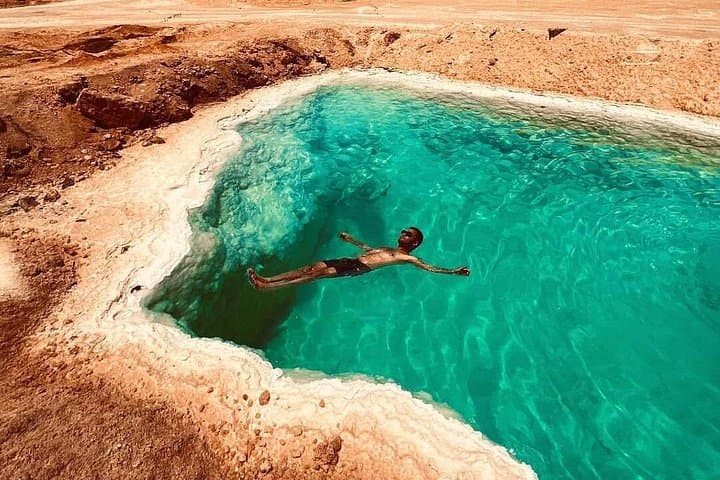
Escape the city for three days of salt lakes, soaring dunes and ancient ruins at Siwa Oasis. This private tour combines sandboarding in the Great Sand Sea, floating in buoyant salt pools, and visits to the Temple of Amun and Shali Fort.
Escape the city for three days of salt lakes, soaring dunes and ancient ruins at Siwa Oasis. This private tour combines sandboarding in the Great Sand Sea, floating in buoyant salt pools, and visits to the Temple of Amun and Shali Fort.
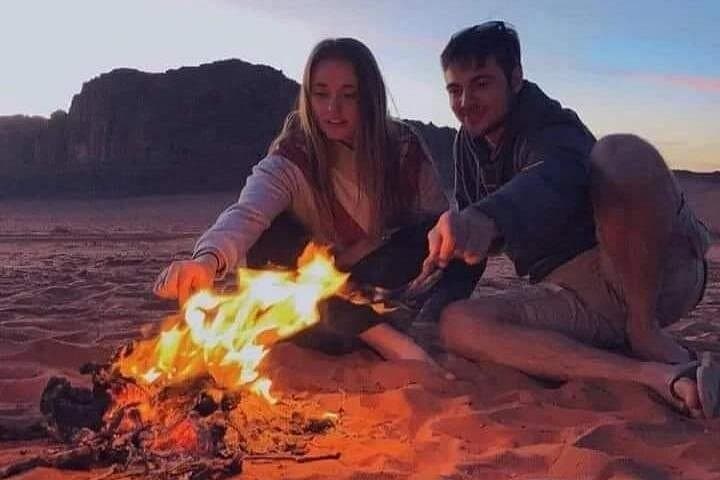
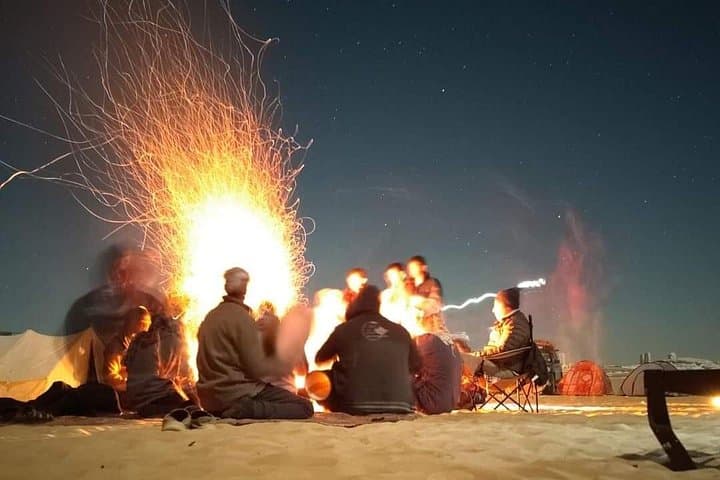
You arrive after a long ribbon of highway peels away from the Nile and the land opens into pale desert — a hard silence broken only by wind over sand. In Siwa, palms edge salt lakes like green fingers, and the Great Sand Sea pushes dunes that dare you to climb and ride them. At sunset Fatnas Lake glows; at night a desert camp turns the sky into a constellation map.
Verified experiences and guided adventures in the surrounding area.
Operated by Guide Of Egypt Tours · Siwa, Matrouh Governorate
You arrive after a long ribbon of highway peels away from the Nile and the land opens into pale desert — a hard silence broken only by wind over sand. In Siwa, palms edge salt lakes like green fingers, and the Great Sand Sea pushes dunes that dare you to climb and ride them. At sunset Fatnas Lake glows; at night a desert camp turns the sky into a constellation map.
Siwa has been inhabited since antiquity; its Temple of Amun (the Oracle visited by Alexander) and mud-brick Shali Fort speak to layered histories of Pharaonic, Greek, and Berber-Amazigh culture. Geologically the oasis sits in the Western Desert depression near sea level, where salt pans and spring-fed pools form sharply contrasting textures — glassy, buoyant lakes and soft, wind-scoured dunes that can rise tens to over a hundred meters.
Culturally the town keeps distinct Siwan traditions: olive groves, date cultivation, and unique crafts (felt and silverwork). Expect simple lodges and a night in a desert camp, with guides who double as cooks and storytellers.
Practical guidance: plan for long drives — roughly 9–10 hours from Cairo by road — and pack for sun and sand. Bring plenty of fresh water to rinse off after salty swims, protect your eyes and skin, and choose footwear that handles both packed salt flats and loose dunes. Sandboarding requires basic balance; open evenings can be chilly, so layer up. Respect archaeological sites, avoid leaving litter in fragile salt flats, and follow local guides when crossing dunes or entering springs.
Expect roughly 9–10 hours by road (around 700–800 km) with a rest stop; itineraries sometimes include a breakfast stop in Marsa Matrouh.
Yes — the high salinity makes the water very buoyant and non-swimmers can float, but avoid getting salt in your eyes and rinse off afterward.
Basic lodges and camp facilities are common; some parts of Siwa are wheelchair accessible, but dune areas and old Shali Fort are not suitable for wheelchairs.
Sandboards are provided on most tours; no prior experience is required, but basic balance and a willingness to fall are helpful.
Guide Of Egypt Tours operates guided outdoor trips and adventures with an emphasis on safety, stewardship, and memorable experiences.

You arrive after a long ribbon of highway peels away from the Nile and the land opens into pale desert — a hard silence broken only by wind over sand. In Siwa, palms edge salt lakes like green fingers, and the Great Sand Sea pushes dunes that dare you to climb and ride them. At sunset Fatnas Lake glows; at night a desert camp turns the sky into a constellation map.
You arrive after a long ribbon of highway peels away from the Nile and the land opens into pale desert — a hard silence broken only by wind over sand. In Siwa, palms edge salt lakes like green fingers, and the Great Sand Sea pushes dunes that dare you to climb and ride them. At sunset Fatnas Lake glows; at night a desert camp turns the sky into a constellation map.
Siwa has been inhabited since antiquity; its Temple of Amun (the Oracle visited by Alexander) and mud-brick Shali Fort speak to layered histories of Pharaonic, Greek, and Berber-Amazigh culture. Geologically the oasis sits in the Western Desert depression near sea level, where salt pans and spring-fed pools form sharply contrasting textures — glassy, buoyant lakes and soft, wind-scoured dunes that can rise tens to over a hundred meters.
Culturally the town keeps distinct Siwan traditions: olive groves, date cultivation, and unique crafts (felt and silverwork). Expect simple lodges and a night in a desert camp, with guides who double as cooks and storytellers.
Practical guidance: plan for long drives — roughly 9–10 hours from Cairo by road — and pack for sun and sand. Bring plenty of fresh water to rinse off after salty swims, protect your eyes and skin, and choose footwear that handles both packed salt flats and loose dunes. Sandboarding requires basic balance; open evenings can be chilly, so layer up. Respect archaeological sites, avoid leaving litter in fragile salt flats, and follow local guides when crossing dunes or entering springs.