THE ADVENTURE COLLECTIVE® · Independent discovery and booking for outdoor travel

Cross oases and salt flats, sleep under desert skies and visit Roman amphitheaters and troglodyte homes on a private three-day southern Tunisia loop. This guided tour balances cultural sites with 4x4 desert crossings and a luxury-style Sahara camp.
Cross oases and salt flats, sleep under desert skies and visit Roman amphitheaters and troglodyte homes on a private three-day southern Tunisia loop. This guided tour balances cultural sites with 4x4 desert crossings and a luxury-style Sahara camp.
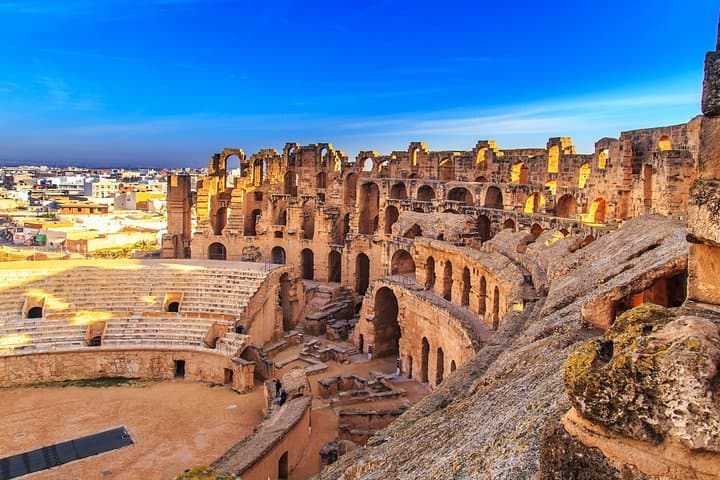
A wind from the Sahara arrives like a slow tide as the convoy leaves coastal roads behind and the land opens into palms, salt flats and the first dunes. On day one travelers step into El Jem’s Roman amphitheater—stone tiers that still echo mass and procession—then follow the route inland toward Tozeur where tile-lined oases mark human resilience in arid geology.
Verified experiences and guided adventures in the surrounding area.
Operated by SAHARANSKY · Tunis, Tunis Governorate
A wind from the Sahara arrives like a slow tide as the convoy leaves coastal roads behind and the land opens into palms, salt flats and the first dunes. On day one travelers step into El Jem’s Roman amphitheater—stone tiers that still echo mass and procession—then follow the route inland toward Tozeur where tile-lined oases mark human resilience in arid geology.
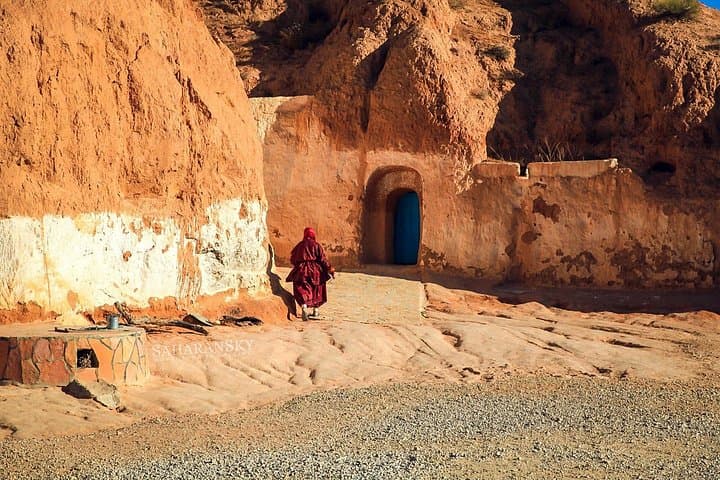
Day two moves through canyons and waterfalls at Chebika and Tamerza, where springs have cut narrow gorges into Miocene limestone, then across Chott el Djerid’s salt pans and into the rolling dunes outside Douz. Ong Jemel’s flat, alien ridges recall the makeshift film sets of Star Wars; Matmata’s troglodyte homes reveal millennia of Berber adaptation to temperature extremes.
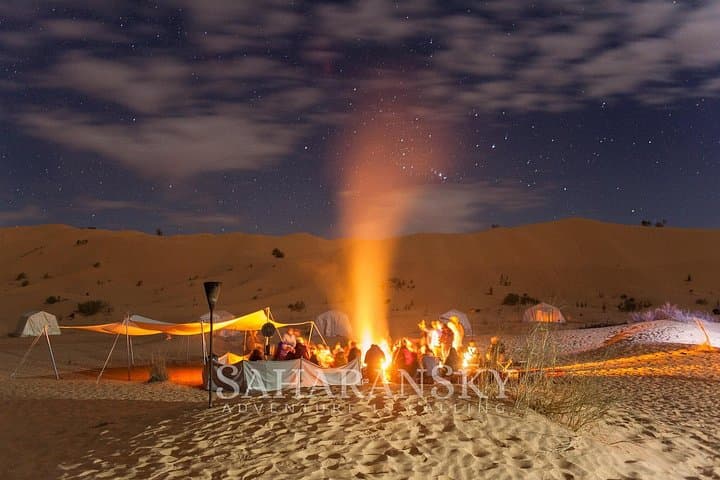
The trip balances cultural stops with simple adventure: 4x4 crossings, short canyon walks and an overnight in a private-style Sahara camp with communal drumming. Guides explain oasis irrigation, salt-pan crusts and the region’s surviving nomadic traditions while hotels and a luxury camp keep comforts within reach.
Practical notes: bring sun protection and layered clothing—desert days can be scorching and nights cold. Hydrate proactively and wear closed shoes for rocky canyons and dune slopes. Expect early starts to avoid heat, modest dress in towns and simple sleeping arrangements at the camp (mattress and blanket provided). For photographers, dawn in the dunes and late afternoon light in the oases offer the richest color contrasts. With basic fitness and respect for local customs, this three-day loop is a compact, approachable introduction to southern Tunisia’s landscapes and living history.
This private tour typically starts and ends in Tunis with scheduled pickup and drop-off at your central hotel or arranged meeting point.
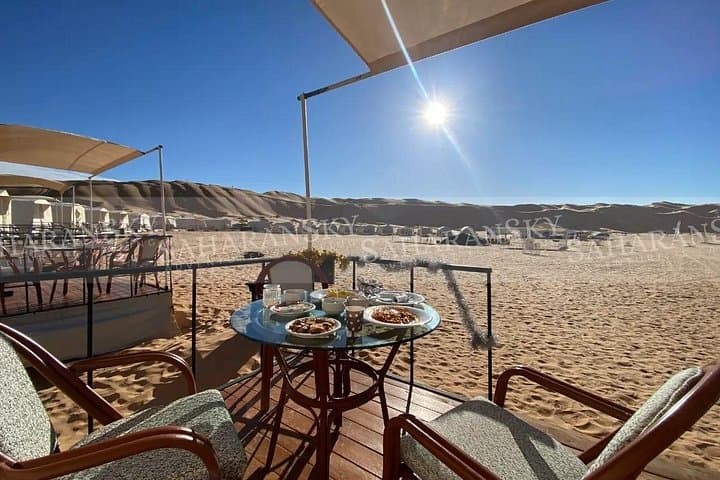
The camp offers mattress, blankets and basic facilities; it’s comfortable but rustic compared with the 4-star hotel night in Tozeur.
The itinerary is designed to be accessible; there are vehicle transfers between sites and short walks, but discuss mobility needs during booking for tailored arrangements.
Tunisians use the Tunisian dinar. Small tips for guides, drivers and camp staff are appreciated; carry small bills for exchanges in towns.
SAHARANSKY operates guided outdoor trips and adventures with an emphasis on safety, stewardship, and memorable experiences.
A wind from the Sahara arrives like a slow tide as the convoy leaves coastal roads behind and the land opens into palms, salt flats and the first dunes. On day one travelers step into El Jem’s Roman amphitheater—stone tiers that still echo mass and procession—then follow the route inland toward Tozeur where tile-lined oases mark human resilience in arid geology.
A wind from the Sahara arrives like a slow tide as the convoy leaves coastal roads behind and the land opens into palms, salt flats and the first dunes. On day one travelers step into El Jem’s Roman amphitheater—stone tiers that still echo mass and procession—then follow the route inland toward Tozeur where tile-lined oases mark human resilience in arid geology.
Day two moves through canyons and waterfalls at Chebika and Tamerza, where springs have cut narrow gorges into Miocene limestone, then across Chott el Djerid’s salt pans and into the rolling dunes outside Douz. Ong Jemel’s flat, alien ridges recall the makeshift film sets of Star Wars; Matmata’s troglodyte homes reveal millennia of Berber adaptation to temperature extremes.
The trip balances cultural stops with simple adventure: 4x4 crossings, short canyon walks and an overnight in a private-style Sahara camp with communal drumming. Guides explain oasis irrigation, salt-pan crusts and the region’s surviving nomadic traditions while hotels and a luxury camp keep comforts within reach.
Practical notes: bring sun protection and layered clothing—desert days can be scorching and nights cold. Hydrate proactively and wear closed shoes for rocky canyons and dune slopes. Expect early starts to avoid heat, modest dress in towns and simple sleeping arrangements at the camp (mattress and blanket provided). For photographers, dawn in the dunes and late afternoon light in the oases offer the richest color contrasts. With basic fitness and respect for local customs, this three-day loop is a compact, approachable introduction to southern Tunisia’s landscapes and living history.