THE ADVENTURE COLLECTIVE® · Independent discovery and booking for outdoor travel

Three days through Sri Lanka’s Cultural Triangle compress centuries into a single itinerary: cave temples, a rock fortress, ancient royal cities and the sacred pulse of Kandy. Expect early starts, steep stair climbs at Sigiriya and immersive cultural moments with local guides.
Three days through Sri Lanka’s Cultural Triangle compress centuries into a single itinerary: cave temples, a rock fortress, ancient royal cities and the sacred pulse of Kandy. Expect early starts, steep stair climbs at Sigiriya and immersive cultural moments with local guides.
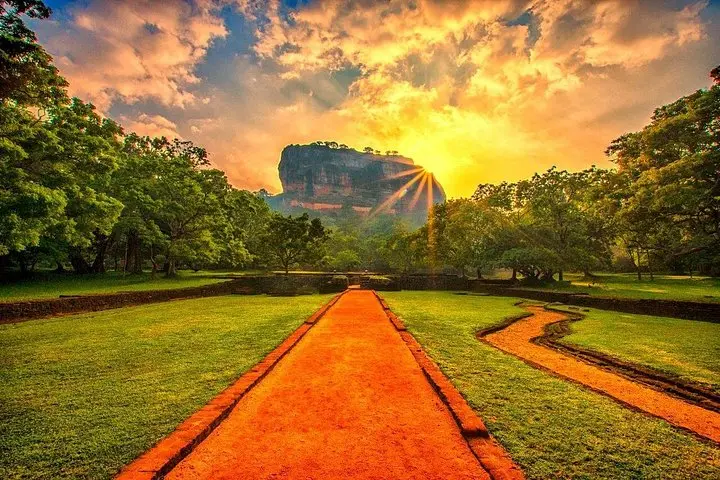
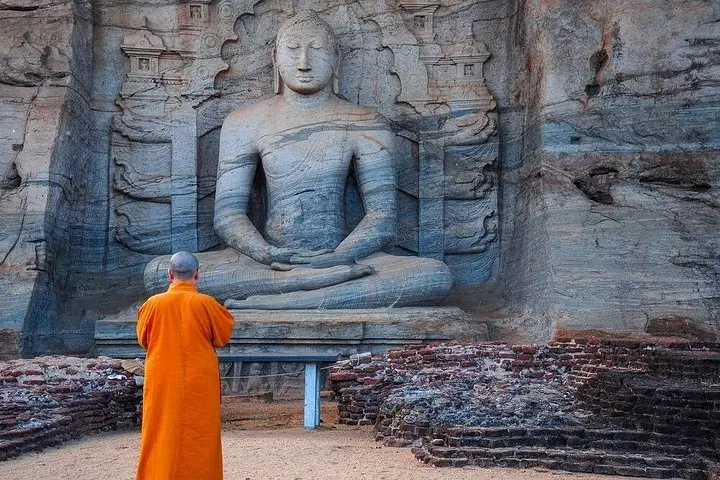
On the first morning the van slips out of Colombo before sunrise and the countryside opens like a slow-moving map — paddy fields green as glass, lone banyans shading temple gates, and the air already carrying the perfume of spice stalls. By the time you reach Dambulla, golden Buddhas catch the light inside a cool cave temple that feels older than the island’s modern rhythms. Climbing Sigiriya that afternoon is less a hike than a negotiated ascent with history: stone steps, iron rails, and frescoed walls giving way to a crown of rock that looks as if the earth itself decided to sit upright.
Verified experiences and guided adventures in the surrounding area.
Operated by Merganser Holidays · Sigiriya, Central Province
On the first morning the van slips out of Colombo before sunrise and the countryside opens like a slow-moving map — paddy fields green as glass, lone banyans shading temple gates, and the air already carrying the perfume of spice stalls. By the time you reach Dambulla, golden Buddhas catch the light inside a cool cave temple that feels older than the island’s modern rhythms. Climbing Sigiriya that afternoon is less a hike than a negotiated ascent with history: stone steps, iron rails, and frescoed walls giving way to a crown of rock that looks as if the earth itself decided to sit upright.
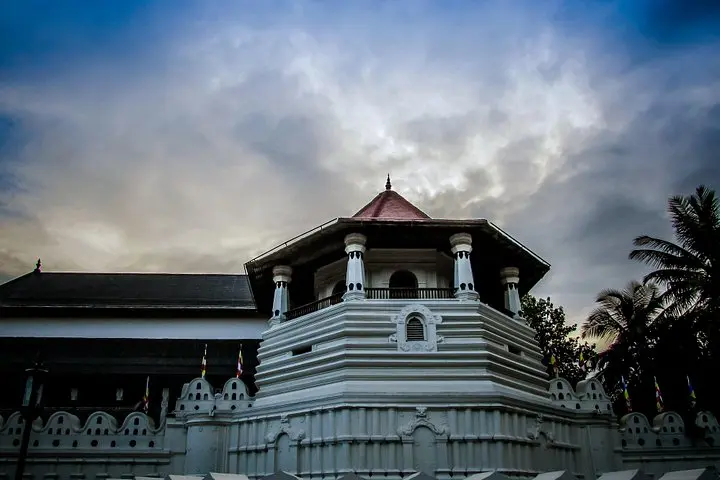
This three-day route threads six UNESCO stops through Sri Lanka’s cultural triangle: Dambulla’s cave shrines, Sigiriya’s rock fortress and gardens, the walkable ruins of Polonnaruwa and Anuradhapura, and the devotional bustle of Kandy’s Temple of the Tooth. Geologically, Sigiriya is a plutonic remnant — a volcanic column hardened and exposed to form a dramatic vantage — while the lowland plains between these sites were carved and irrigated by ancient Sinhalese hydraulic engineers who created tanks and canals still in use.
Culture arrives in small, essential details: white-clad pilgrims at temple courtyards, ritual offerings of flowers and oil, and stone-carved moonstones that mark transitions from mundane to sacred spaces. Polonnaruwa’s brick stupas and carved moonstones show South Indian and Sinhalese influences; Anuradhapura’s Bodhi tree dates back to the 3rd century BCE and anchors Buddhist devotion across the island.
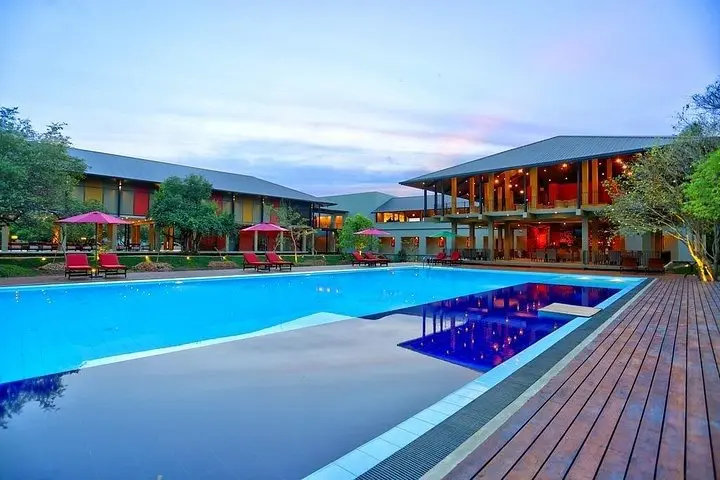
Practical edge: this is a road-based tour with hotel nights in Sigiriya and pickups from Colombo or Negombo. Expect 3 days of mostly low-impact walking with several short but sometimes steep stair climbs — Sigiriya’s summit adds roughly 100–200 vertical meters depending on which trail you take and takes 30–60 minutes for most visitors. Drive time is a working reality: Colombo to Sigiriya can range 3.5–4.5 hours depending on traffic; plan for early departures and mid-day breaks. Bring modest clothing for temples (shoulders and knees covered), a small towel to sit on inside shrines, and a currency mix — ATMs work in bigger towns but entrance fees and small vendors still like cash.
Timing is everything: climb Sigiriya at first light to avoid heat and crowds, and schedule Polonnaruwa and Anuradhapura walks for cooler morning hours. The chauffeur-guide included in the package handles logistics and can suggest village excursions — a short coracle ride or a stop at a farmer’s home brings context to the ruins.
Between stone and shade there’s a clear invitation: move deliberately, leave no trace, and let the island’s slow, layered history reshape how you measure distance.
No; the itinerary notes that admission is not included. Carry local cash (or a card where accepted) to pay for entry at each site.
The climb involves steep sections and metal staircases with handrails; expect 30–60 minutes depending on fitness and stops.
Modest clothing covering shoulders and knees is required; women may wear a sarong or long skirt and men long trousers for inner temple areas.
Two breakfasts are included. Plan to buy lunch and snacks en route or ask your guide for meal stops tailored to your dietary needs.
Yes. Pickup from any hotel in Colombo or Negombo is offered as part of the service—confirm your exact pickup location when booking.
Not recommended for those with serious spinal injuries due to twisting climbs and uneven walking surfaces, as noted by the supplier.
Merganser Holidays operates guided outdoor trips and adventures with an emphasis on safety, stewardship, and memorable experiences.
On the first morning the van slips out of Colombo before sunrise and the countryside opens like a slow-moving map — paddy fields green as glass, lone banyans shading temple gates, and the air already carrying the perfume of spice stalls. By the time you reach Dambulla, golden Buddhas catch the light inside a cool cave temple that feels older than the island’s modern rhythms. Climbing Sigiriya that afternoon is less a hike than a negotiated ascent with history: stone steps, iron rails, and frescoed walls giving way to a crown of rock that looks as if the earth itself decided to sit upright.
On the first morning the van slips out of Colombo before sunrise and the countryside opens like a slow-moving map — paddy fields green as glass, lone banyans shading temple gates, and the air already carrying the perfume of spice stalls. By the time you reach Dambulla, golden Buddhas catch the light inside a cool cave temple that feels older than the island’s modern rhythms. Climbing Sigiriya that afternoon is less a hike than a negotiated ascent with history: stone steps, iron rails, and frescoed walls giving way to a crown of rock that looks as if the earth itself decided to sit upright.
This three-day route threads six UNESCO stops through Sri Lanka’s cultural triangle: Dambulla’s cave shrines, Sigiriya’s rock fortress and gardens, the walkable ruins of Polonnaruwa and Anuradhapura, and the devotional bustle of Kandy’s Temple of the Tooth. Geologically, Sigiriya is a plutonic remnant — a volcanic column hardened and exposed to form a dramatic vantage — while the lowland plains between these sites were carved and irrigated by ancient Sinhalese hydraulic engineers who created tanks and canals still in use.
Culture arrives in small, essential details: white-clad pilgrims at temple courtyards, ritual offerings of flowers and oil, and stone-carved moonstones that mark transitions from mundane to sacred spaces. Polonnaruwa’s brick stupas and carved moonstones show South Indian and Sinhalese influences; Anuradhapura’s Bodhi tree dates back to the 3rd century BCE and anchors Buddhist devotion across the island.
Practical edge: this is a road-based tour with hotel nights in Sigiriya and pickups from Colombo or Negombo. Expect 3 days of mostly low-impact walking with several short but sometimes steep stair climbs — Sigiriya’s summit adds roughly 100–200 vertical meters depending on which trail you take and takes 30–60 minutes for most visitors. Drive time is a working reality: Colombo to Sigiriya can range 3.5–4.5 hours depending on traffic; plan for early departures and mid-day breaks. Bring modest clothing for temples (shoulders and knees covered), a small towel to sit on inside shrines, and a currency mix — ATMs work in bigger towns but entrance fees and small vendors still like cash.
Timing is everything: climb Sigiriya at first light to avoid heat and crowds, and schedule Polonnaruwa and Anuradhapura walks for cooler morning hours. The chauffeur-guide included in the package handles logistics and can suggest village excursions — a short coracle ride or a stop at a farmer’s home brings context to the ruins.
Between stone and shade there’s a clear invitation: move deliberately, leave no trace, and let the island’s slow, layered history reshape how you measure distance.