THE ADVENTURE COLLECTIVE® · Independent discovery and booking for outdoor travel

Descend from the high Andes into Manu’s humid rainforest on a three-day sustainable tour that pairs river travel, short hikes and night walks with guided wildlife viewing. Expect cock-of-the-rock leks, parrot clay licks and close encounters with capybara and monkeys.
Descend from the high Andes into Manu’s humid rainforest on a three-day sustainable tour that pairs river travel, short hikes and night walks with guided wildlife viewing. Expect cock-of-the-rock leks, parrot clay licks and close encounters with capybara and monkeys.
Before dawn the bus pulls out of Cusco and the road unravels through cloud-streaked ridges into a world where the Andes loosen their grip and the forest takes command. You’ll cross puna grasses and descend into humid, green silence; rivers widen and the air smells of wet earth. On the river the boat becomes the pace of travel — slow, observant, intimately tied to wildlife sightings: cock-of-the-rocks flashing on a lek, noisy parrot clay licks, capybaras slipping into backwater, and howler and squirrel monkeys looping overhead.
Verified experiences and guided adventures in the surrounding area.
Operated by Manu Tour Operator Expediciones Vilca · Cusco, Cusco Region
Before dawn the bus pulls out of Cusco and the road unravels through cloud-streaked ridges into a world where the Andes loosen their grip and the forest takes command. You’ll cross puna grasses and descend into humid, green silence; rivers widen and the air smells of wet earth. On the river the boat becomes the pace of travel — slow, observant, intimately tied to wildlife sightings: cock-of-the-rocks flashing on a lek, noisy parrot clay licks, capybaras slipping into backwater, and howler and squirrel monkeys looping overhead.
Manu is part of one of the planet’s most important biodiversity corridors, where eastern Andean geology gives way to Amazon lowlands. Indigenous communities and colonial-era trade routes shaped local culture; today small lodges and native guides steward tourism with conservation and social benefit in mind.
Practically, expect long travel days and short, focused hikes: 2–3 hour daytime walks, optional night walks for nocturnal mammals and amphibians, and boat transfers between lodges and lagoons. Lodging in ecolodges with private bathrooms is standard on this itinerary; basic comforts are paired with low-impact operations (solar charging is provided). Guides bring binoculars and telescopes — you bring patience, a steady camera hand, and insect protection. Altitude and temperature change rapidly between Cusco and the forest edge, so layer and hydrate. Respect native lands, avoid single-use plastics, and follow the guide’s lead during wildlife encounters. For travelers who want a concentrated, ethically minded rainforest experience with reliable logistics, this three-day route delivers intense wildlife viewing, close river travel, and a direct connection to Manu’s living landscape.
Typical daytime hikes are 2–3 hours through forest trails; some days include short hikes combined with boat travel and raft rides.
Vaccination requirements vary—yellow fever is recommended for Amazon travel; check current health guidance and consult your doctor about malaria prophylaxis.
Not ideal for very young children or travelers with significant mobility limits due to uneven trails, boat transfers, and occasional long bus rides.
Common sightings include cock-of-the-rock, several parrot species at clay licks, capybaras, small caimans, and multiple monkey species; sightings are never guaranteed.
Manu Tour Operator Expediciones Vilca operates guided outdoor trips and adventures with an emphasis on safety, stewardship, and memorable experiences.
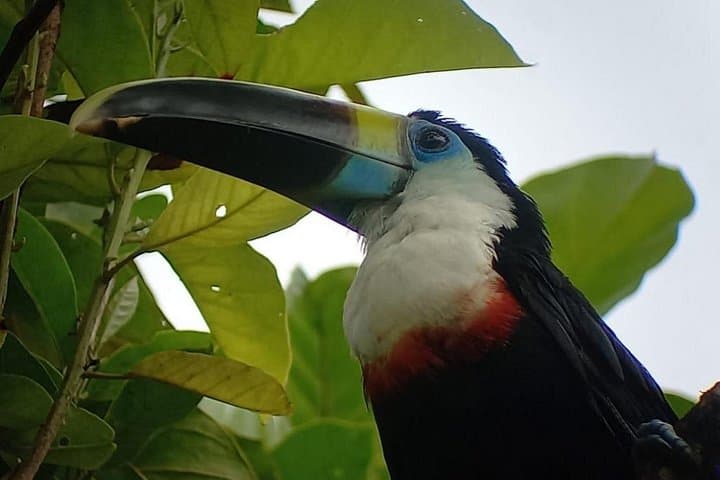


Before dawn the bus pulls out of Cusco and the road unravels through cloud-streaked ridges into a world where the Andes loosen their grip and the forest takes command. You’ll cross puna grasses and descend into humid, green silence; rivers widen and the air smells of wet earth. On the river the boat becomes the pace of travel — slow, observant, intimately tied to wildlife sightings: cock-of-the-rocks flashing on a lek, noisy parrot clay licks, capybaras slipping into backwater, and howler and squirrel monkeys looping overhead.
Before dawn the bus pulls out of Cusco and the road unravels through cloud-streaked ridges into a world where the Andes loosen their grip and the forest takes command. You’ll cross puna grasses and descend into humid, green silence; rivers widen and the air smells of wet earth. On the river the boat becomes the pace of travel — slow, observant, intimately tied to wildlife sightings: cock-of-the-rocks flashing on a lek, noisy parrot clay licks, capybaras slipping into backwater, and howler and squirrel monkeys looping overhead.
Manu is part of one of the planet’s most important biodiversity corridors, where eastern Andean geology gives way to Amazon lowlands. Indigenous communities and colonial-era trade routes shaped local culture; today small lodges and native guides steward tourism with conservation and social benefit in mind.
Practically, expect long travel days and short, focused hikes: 2–3 hour daytime walks, optional night walks for nocturnal mammals and amphibians, and boat transfers between lodges and lagoons. Lodging in ecolodges with private bathrooms is standard on this itinerary; basic comforts are paired with low-impact operations (solar charging is provided). Guides bring binoculars and telescopes — you bring patience, a steady camera hand, and insect protection. Altitude and temperature change rapidly between Cusco and the forest edge, so layer and hydrate. Respect native lands, avoid single-use plastics, and follow the guide’s lead during wildlife encounters. For travelers who want a concentrated, ethically minded rainforest experience with reliable logistics, this three-day route delivers intense wildlife viewing, close river travel, and a direct connection to Manu’s living landscape.