THE ADVENTURE COLLECTIVE® · Independent discovery and booking for outdoor travel

Walk three days through Muong Hoa Valley with homestays in Ta Van, Lao Chai San and Giang Ta Chai. This trekking loop mixes terraced-rice landscapes, bamboo forests and direct cultural exchange with Hmong, Dzay and Red Dao communities.
Walk three days through Muong Hoa Valley with homestays in Ta Van, Lao Chai San and Giang Ta Chai. This trekking loop mixes terraced-rice landscapes, bamboo forests and direct cultural exchange with Hmong, Dzay and Red Dao communities.
Morning mist lifts off the rice terraces as you step from a family home into a narrow path carved between paddies. Bamboo groves lean over the trail and the valley’s stream seems to dare you to keep pace; villagers wave from stone houses, and the smell of wood-fired cooking hangs in the air.
Verified experiences and guided adventures in the surrounding area.
Operated by SAIGONESE TREKKING HOUSE · Sapa, Lao Cai Province
Morning mist lifts off the rice terraces as you step from a family home into a narrow path carved between paddies. Bamboo groves lean over the trail and the valley’s stream seems to dare you to keep pace; villagers wave from stone houses, and the smell of wood-fired cooking hangs in the air.
This three-day route threads Muong Hoa Valley’s best viewpoints with quieter hamlets—Y Linh Ho, Lao Chai San, Giang Ta Chai and Ta Van—where Hmong, Dzay and Red Dao communities farm by hand and maintain distinct textile and medicinal traditions. Geologically, the valley is a steep, glacially-shaped basin with terraces cut into volcanic soils and loess deposits; those terraces light up gold in autumn harvests. French-colonial Sapa’s history as a hill station introduced trails that later became local connectors between villages.
Expect trails that alternate between packed dirt, stone steps and bamboo-shaded singletrack; daily distances are roughly 8–12 km with modest elevation changes but sustained walking. Homestays offer simple wooden rooms and home-cooked meals—perfect for cultural exchange but bring patience and a sense of flexibility.
Practical guidance: hike early to avoid afternoon showers, pack a waterproof layer and sturdy ankle-support boots, and carry cash for small village purchases. Respect local customs—ask before photographing people—and stick to trails to limit erosion. With moderate fitness and cultural curiosity, this trek rewards steady pacing with close-up mountain life and some of Sapa’s clearest valley views.
A moderate level of fitness is required—expect 8–12 km per day on uneven terrain and several hours of continuous walking.
Homestays are family-run wooden houses with simple rooms and shared facilities; meals are home-cooked local dishes and hosts prioritize hospitality.
Organizers may cancel in heavy rain due to landslide and flash-flood risk; bring waterproofs and follow local guide instructions during storms.
Basic dietary requirements can usually be met if communicated at booking and upon arrival, but options are simple—bring snacks if you have strict needs.
SAIGONESE TREKKING HOUSE operates guided outdoor trips and adventures with an emphasis on safety, stewardship, and memorable experiences.
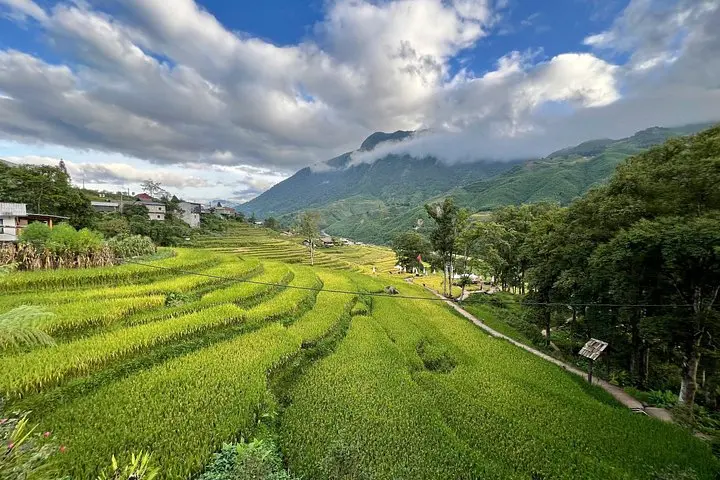
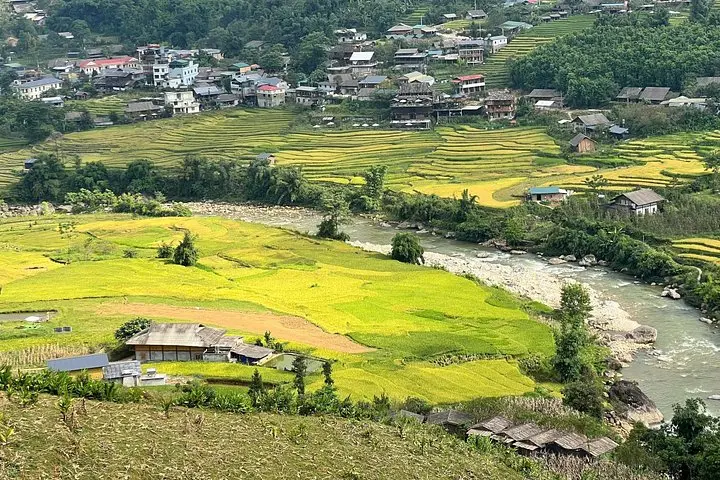
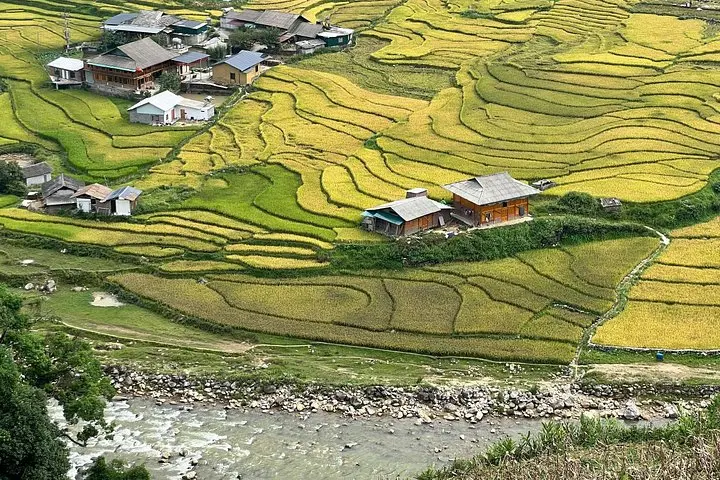
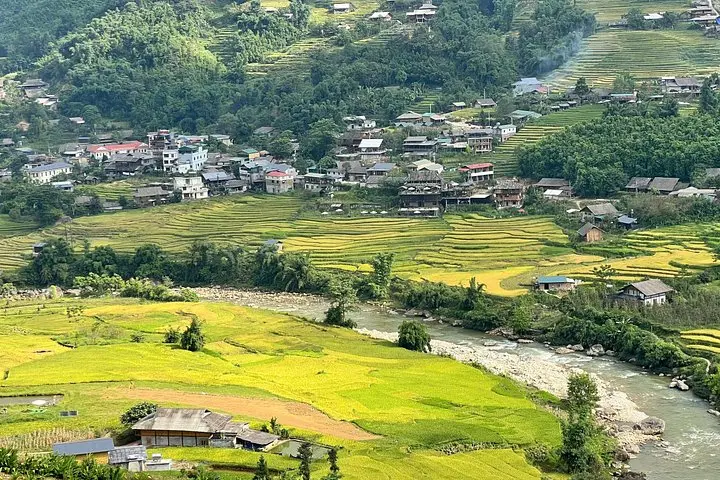
Morning mist lifts off the rice terraces as you step from a family home into a narrow path carved between paddies. Bamboo groves lean over the trail and the valley’s stream seems to dare you to keep pace; villagers wave from stone houses, and the smell of wood-fired cooking hangs in the air.
Morning mist lifts off the rice terraces as you step from a family home into a narrow path carved between paddies. Bamboo groves lean over the trail and the valley’s stream seems to dare you to keep pace; villagers wave from stone houses, and the smell of wood-fired cooking hangs in the air.
This three-day route threads Muong Hoa Valley’s best viewpoints with quieter hamlets—Y Linh Ho, Lao Chai San, Giang Ta Chai and Ta Van—where Hmong, Dzay and Red Dao communities farm by hand and maintain distinct textile and medicinal traditions. Geologically, the valley is a steep, glacially-shaped basin with terraces cut into volcanic soils and loess deposits; those terraces light up gold in autumn harvests. French-colonial Sapa’s history as a hill station introduced trails that later became local connectors between villages.
Expect trails that alternate between packed dirt, stone steps and bamboo-shaded singletrack; daily distances are roughly 8–12 km with modest elevation changes but sustained walking. Homestays offer simple wooden rooms and home-cooked meals—perfect for cultural exchange but bring patience and a sense of flexibility.
Practical guidance: hike early to avoid afternoon showers, pack a waterproof layer and sturdy ankle-support boots, and carry cash for small village purchases. Respect local customs—ask before photographing people—and stick to trails to limit erosion. With moderate fitness and cultural curiosity, this trek rewards steady pacing with close-up mountain life and some of Sapa’s clearest valley views.