THE ADVENTURE COLLECTIVE® · Independent discovery and booking for outdoor travel

Three days on the Madre de Dios River offers sunrise macaw displays, oxbow-lake hikes to Sandoval, and river safaris seeking giant river otters and caimans. This compact Amazon itinerary pairs guided walks, kayaking, and night excursions for serious wildlife viewing with moderate physical demands.
Three days on the Madre de Dios River offers sunrise macaw displays, oxbow-lake hikes to Sandoval, and river safaris seeking giant river otters and caimans. This compact Amazon itinerary pairs guided walks, kayaking, and night excursions for serious wildlife viewing with moderate physical demands.
You step from the motorboat into a warm, green hush: the Madre de Dios River pushing like a slow orchestra, leaves brushing in rhythm as macaws call overhead. For three days the rainforest sets the tempo — dawn clay licks that explode with color, shadowed waterways where giant river otters slide like living commas, and night walks that reveal eyes reflecting in the beam of a headlamp.
Verified experiences and guided adventures in the surrounding area.
Operated by Machupicchu Holiday · Puerto Maldonado, Madre de Dios
You step from the motorboat into a warm, green hush: the Madre de Dios River pushing like a slow orchestra, leaves brushing in rhythm as macaws call overhead. For three days the rainforest sets the tempo — dawn clay licks that explode with color, shadowed waterways where giant river otters slide like living commas, and night walks that reveal eyes reflecting in the beam of a headlamp.
Tambopata’s landscape is young geologically but ancient ecologically: fluvial plains, oxbow lakes like Sandoval, and deep aguaje palm swamps shaped by seasonal floods. The reserve protects habitats long used by indigenous communities and scientists; conservation efforts expanded in the late 20th century to curb deforestation and mining, creating corridors for wildlife.
Cultural notes arrive softly — local guides share knowledge of edible palms and traditional uses of medicinal plants, and eco-lodges source food regionally to support nearby communities. The lodge becomes your basecamp: small, open-air, and designed to keep wildlife front-and-center.
Practical guidance: tides of humidity mean quick-dry clothing and waterproof bags are essential; mornings are prime for bird activity, so be ready before sunrise. Trails are low-elevation but can be slippery and muddy with up to three kilometers of walking to key sites; moderate fitness helps. Bring insect repellent, a headlamp for night excursions, and binoculars for clay-lick viewing. Respect wildlife distances and follow your bilingual guide’s instructions — they’re the best tool you’ll have for meaningful sightings and safe river travel.
In short, this is an active, sensory trip: a compact sample of Amazon biodiversity delivered by boat, boot, and binocular.
The tour requires moderate fitness: expect multiple short hikes (around 3 km), boat transfers, and some uneven, muddy terrain—no technical climbing skills needed.
Common sightings include macaws at clay licks, capuchin and howler monkeys, caimans on night tours, and the occasional giant river otter at Sandoval Lake—sightings depend on season and luck.
Vaccination and malaria recommendations change—check current health advisories and consult your travel clinic for recommended immunizations and malaria prevention.
Bring soft-sided luggage or a duffel for easy boat stowage; keep valuables and electronics in waterproof cases or dry bags.
Machupicchu Holiday operates guided outdoor trips and adventures with an emphasis on safety, stewardship, and memorable experiences.
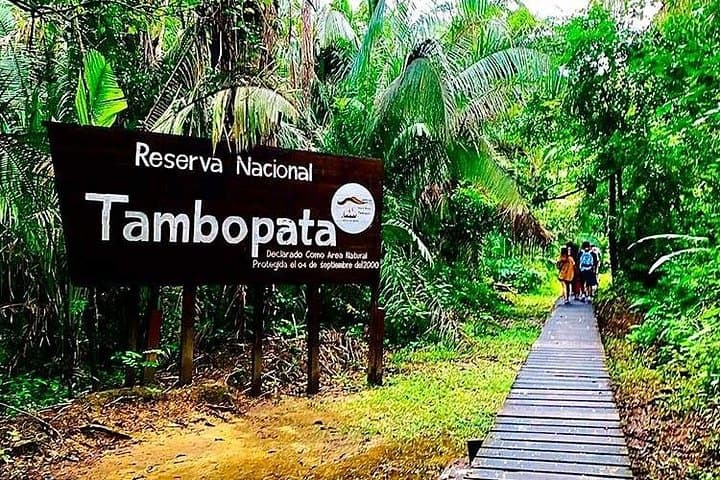


You step from the motorboat into a warm, green hush: the Madre de Dios River pushing like a slow orchestra, leaves brushing in rhythm as macaws call overhead. For three days the rainforest sets the tempo — dawn clay licks that explode with color, shadowed waterways where giant river otters slide like living commas, and night walks that reveal eyes reflecting in the beam of a headlamp.
You step from the motorboat into a warm, green hush: the Madre de Dios River pushing like a slow orchestra, leaves brushing in rhythm as macaws call overhead. For three days the rainforest sets the tempo — dawn clay licks that explode with color, shadowed waterways where giant river otters slide like living commas, and night walks that reveal eyes reflecting in the beam of a headlamp.
Tambopata’s landscape is young geologically but ancient ecologically: fluvial plains, oxbow lakes like Sandoval, and deep aguaje palm swamps shaped by seasonal floods. The reserve protects habitats long used by indigenous communities and scientists; conservation efforts expanded in the late 20th century to curb deforestation and mining, creating corridors for wildlife.
Cultural notes arrive softly — local guides share knowledge of edible palms and traditional uses of medicinal plants, and eco-lodges source food regionally to support nearby communities. The lodge becomes your basecamp: small, open-air, and designed to keep wildlife front-and-center.
Practical guidance: tides of humidity mean quick-dry clothing and waterproof bags are essential; mornings are prime for bird activity, so be ready before sunrise. Trails are low-elevation but can be slippery and muddy with up to three kilometers of walking to key sites; moderate fitness helps. Bring insect repellent, a headlamp for night excursions, and binoculars for clay-lick viewing. Respect wildlife distances and follow your bilingual guide’s instructions — they’re the best tool you’ll have for meaningful sightings and safe river travel.
In short, this is an active, sensory trip: a compact sample of Amazon biodiversity delivered by boat, boot, and binocular.