THE ADVENTURE COLLECTIVE® · Independent discovery and booking for outdoor travel

A three-day small-group circuit linking Tangier’s historic crossroads, Tetouan’s Andalusian traces, the blue alleys of Chefchaouen and Assilah’s mural-lined coast. Expect short guided walks, private transport, comfortable riads and time to explore each medina at a calm pace.
A three-day small-group circuit linking Tangier’s historic crossroads, Tetouan’s Andalusian traces, the blue alleys of Chefchaouen and Assilah’s mural-lined coast. Expect short guided walks, private transport, comfortable riads and time to explore each medina at a calm pace.
You arrive to the briny crosswind of Tangier, where the Mediterranean leans toward the Atlantic and the city’s rooftop chimney pots cut a jagged silhouette against Spain’s distant coast.
Verified experiences and guided adventures in the surrounding area.
Operated by Best of Morocco · Tangier, Tangier-Tetouan-Al Hoceima
You arrive to the briny crosswind of Tangier, where the Mediterranean leans toward the Atlantic and the city’s rooftop chimney pots cut a jagged silhouette against Spain’s distant coast.
Over three days this small-group circuit trades long lines for close-up encounters: the crowded lanes of Tangier’s medina give way to Tetouan’s Andalusian square patterns, then climb into the Rif Mountains to the cobalt alleys of Chefchaouen before an afternoon wandering Assilah’s painted walls by the Atlantic.
Geology shapes the route—limestone ridges of the Rif push steeply from the sea, carving narrow valleys and cool springs. History is a palpable layer: Phoenician, Roman, Andalusian and Berber influences converge in market crafts, tilework and the riads that host you. Local guides point out traditions—olive pressing, artisanal weaving—and the subtle differences between coastal and mountain cuisine.
Practical travelors’ notes: this is a relaxed, vehicle-supported circuit with short guided walks and time to explore medinas on foot. Expect cobblestones and uneven alleys; pack sturdy shoes and a light layer for cool mountain evenings. Mornings are best for photos and avoiding heat in summer. Cash is useful in smaller towns; carry small denominations. Respect prayer times and dress modestly in conservative areas. The private transport and included breakfasts/dinners make logistics simple—bring a photocopy of your passport, a refillable water bottle, and patience for narrow streets and local tempos.
This route is ideal for travelers wanting cultural depth, scenic variety, and a gentle pace through northern Morocco’s most characterful towns.
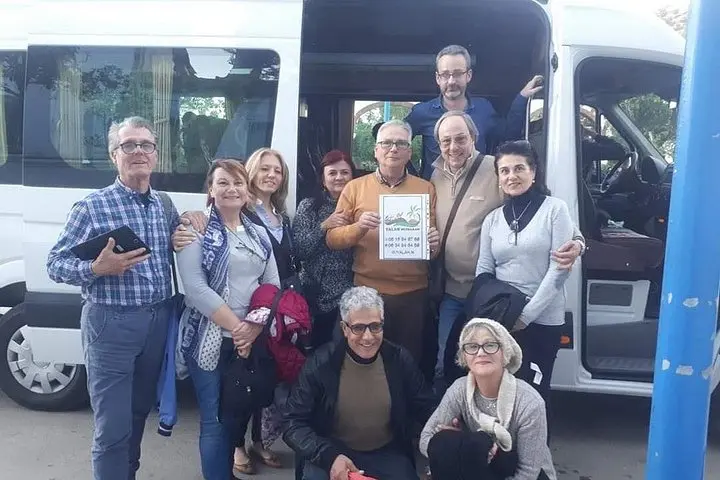
Yes — private, air-conditioned transport is provided throughout the 3-day circuit, with hotel/riad pickups and drop-offs included.
Walking is light to moderate: guided medina tours and short strolls up viewpoints or alleys; no steep multi-hour hikes are required.
Two dinners and two breakfasts are listed as included; local-stop meals and snacks during the day are typically the traveler’s responsibility unless specified.
Local guides commonly speak French and English; operators often accommodate other languages on request but confirm at booking.
Best of Morocco operates guided outdoor trips and adventures with an emphasis on safety, stewardship, and memorable experiences.
You arrive to the briny crosswind of Tangier, where the Mediterranean leans toward the Atlantic and the city’s rooftop chimney pots cut a jagged silhouette against Spain’s distant coast.
You arrive to the briny crosswind of Tangier, where the Mediterranean leans toward the Atlantic and the city’s rooftop chimney pots cut a jagged silhouette against Spain’s distant coast.
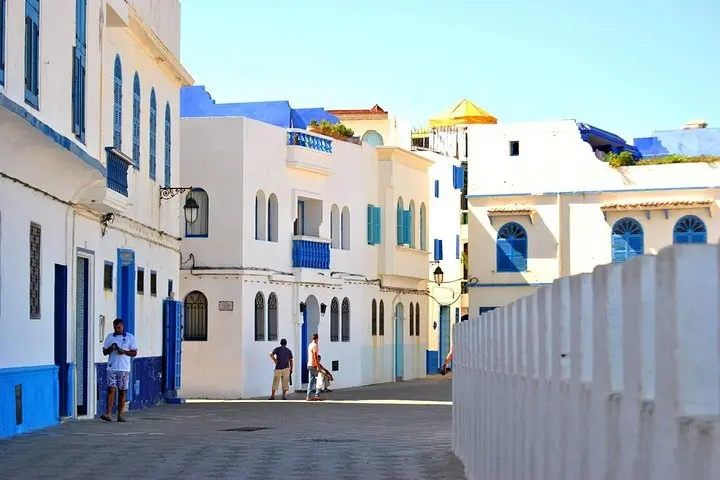
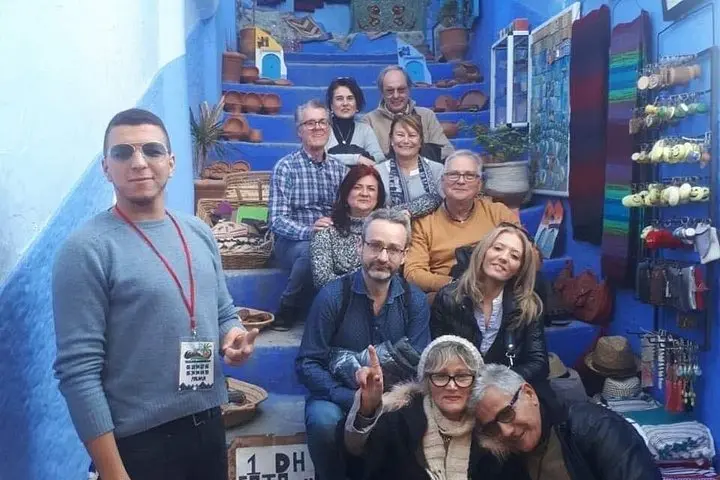
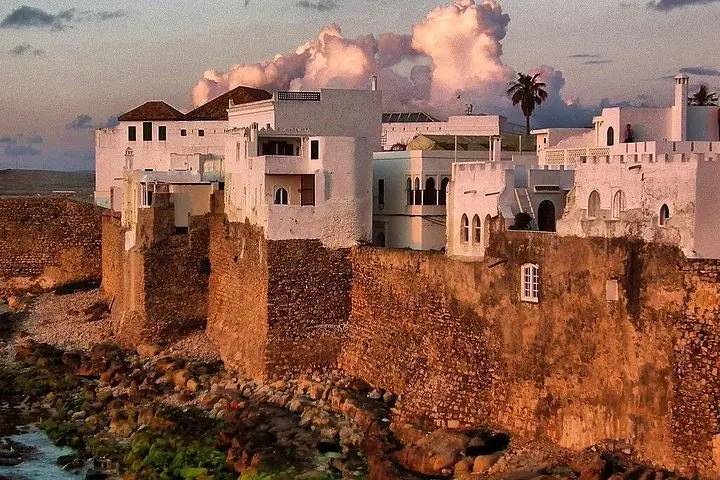
Over three days this small-group circuit trades long lines for close-up encounters: the crowded lanes of Tangier’s medina give way to Tetouan’s Andalusian square patterns, then climb into the Rif Mountains to the cobalt alleys of Chefchaouen before an afternoon wandering Assilah’s painted walls by the Atlantic.
Geology shapes the route—limestone ridges of the Rif push steeply from the sea, carving narrow valleys and cool springs. History is a palpable layer: Phoenician, Roman, Andalusian and Berber influences converge in market crafts, tilework and the riads that host you. Local guides point out traditions—olive pressing, artisanal weaving—and the subtle differences between coastal and mountain cuisine.
Practical travelors’ notes: this is a relaxed, vehicle-supported circuit with short guided walks and time to explore medinas on foot. Expect cobblestones and uneven alleys; pack sturdy shoes and a light layer for cool mountain evenings. Mornings are best for photos and avoiding heat in summer. Cash is useful in smaller towns; carry small denominations. Respect prayer times and dress modestly in conservative areas. The private transport and included breakfasts/dinners make logistics simple—bring a photocopy of your passport, a refillable water bottle, and patience for narrow streets and local tempos.
This route is ideal for travelers wanting cultural depth, scenic variety, and a gentle pace through northern Morocco’s most characterful towns.