THE ADVENTURE COLLECTIVE® · Independent discovery and booking for outdoor travel

A compact three-day loop from Ulaanbaatar that combines soft trekking, horse rides and granite landscapes in Terelj National Park and Baga Gazriin Chuluu—ideal for travelers who want varied Mongolian scenery without technical climbing.
A compact three-day loop from Ulaanbaatar that combines soft trekking, horse rides and granite landscapes in Terelj National Park and Baga Gazriin Chuluu—ideal for travelers who want varied Mongolian scenery without technical climbing.
The wind off the steppe pushes a thin, clean cold across your face as the minibus peels away from Ulaanbaatar and the city’s concrete gives way to granite outcrops and wide grassland.
Verified experiences and guided adventures in the surrounding area.
Operated by Danista Nomads Tour · Ulaanbaatar, Ulaanbaatar
The wind off the steppe pushes a thin, clean cold across your face as the minibus peels away from Ulaanbaatar and the city’s concrete gives way to granite outcrops and wide grassland.
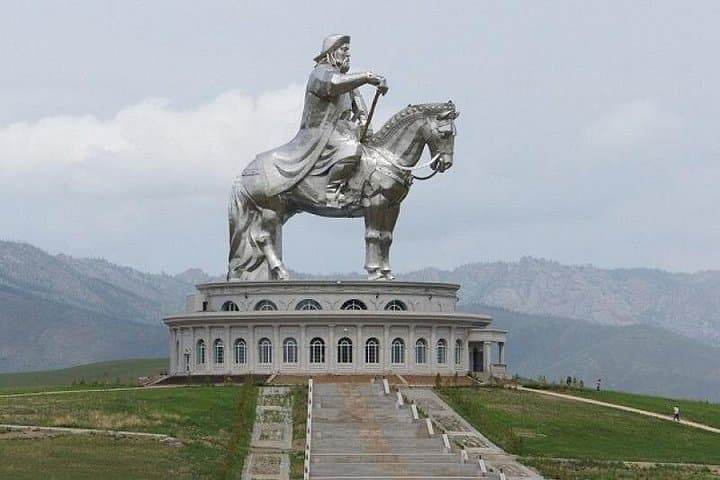
Day one drops you into Gorkhi-Terelj National Park where turtle-shaped rock faces and fractured granite ridges rise from meadows. The park’s history threads Mongolian shamanic ovoos—stone cairns used to honor the sky—with Soviet-era monuments like the massive Chinggis Khaan statue on the highway. Geologically, Terelj’s rounded tors and exfoliated granite are the slow scars of weathering, creating climbing knobs, pocketed boulders and ridgelines ideal for short hikes and horseback approaches.
On day two the road bends south to Baga Gazriin Chuluu, a compact granite complex set against open plains. The stone sea here forms narrow canyons, caves and petroglyphs; local histories reference monastic ruins and medicinal herb harvesting that link landscape, medicine and religion.
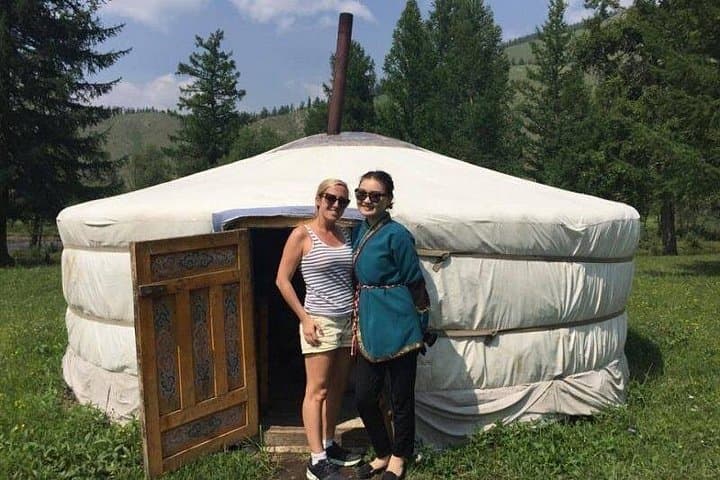
Expect a mix of easy meadow walks, short hill scrambles and a few hours on horseback; temperatures swing wide between day and night. Locals live in gers and will offer boiled milk or tea; your accommodations alternate between ger hostels and a family homestay.
Practical guidance: carry layered clothing for temperature swings, a daypack with water and snacks, and sturdy shoes for uneven granite. Travel windows are spring through fall for best access; winter opens a very different, snow‑filled route. Bring cash for small purchases and respect ovoo rituals—walk clockwise and add a stone if you stop. This route suits travelers who want compact, varied Mongolian landscapes with minimal technical demands.
No technical experience required—rides are short and guided; riders should be comfortable mounting and staying seated for 30–60 minute stretches.
Mixture of ger hostels with showers and a local family homestay; standards are basic but clean and provide hot meals.
Yes—activity is rated easy to moderate; however, those with serious mobility issues or spinal/heart conditions should avoid horse riding and steep hill sections.
Late spring through early autumn (May–September) offers the best road access and milder weather; winters are cold and roads can be impassable.
Danista Nomads Tour operates guided outdoor trips and adventures with an emphasis on safety, stewardship, and memorable experiences.


The wind off the steppe pushes a thin, clean cold across your face as the minibus peels away from Ulaanbaatar and the city’s concrete gives way to granite outcrops and wide grassland.
The wind off the steppe pushes a thin, clean cold across your face as the minibus peels away from Ulaanbaatar and the city’s concrete gives way to granite outcrops and wide grassland.
Day one drops you into Gorkhi-Terelj National Park where turtle-shaped rock faces and fractured granite ridges rise from meadows. The park’s history threads Mongolian shamanic ovoos—stone cairns used to honor the sky—with Soviet-era monuments like the massive Chinggis Khaan statue on the highway. Geologically, Terelj’s rounded tors and exfoliated granite are the slow scars of weathering, creating climbing knobs, pocketed boulders and ridgelines ideal for short hikes and horseback approaches.
On day two the road bends south to Baga Gazriin Chuluu, a compact granite complex set against open plains. The stone sea here forms narrow canyons, caves and petroglyphs; local histories reference monastic ruins and medicinal herb harvesting that link landscape, medicine and religion.
Expect a mix of easy meadow walks, short hill scrambles and a few hours on horseback; temperatures swing wide between day and night. Locals live in gers and will offer boiled milk or tea; your accommodations alternate between ger hostels and a family homestay.
Practical guidance: carry layered clothing for temperature swings, a daypack with water and snacks, and sturdy shoes for uneven granite. Travel windows are spring through fall for best access; winter opens a very different, snow‑filled route. Bring cash for small purchases and respect ovoo rituals—walk clockwise and add a stone if you stop. This route suits travelers who want compact, varied Mongolian landscapes with minimal technical demands.