THE ADVENTURE COLLECTIVE® · Independent discovery and booking for outdoor travel

Trade Casablanca’s bustle for three days in the High Atlas: a private trek that leads from Aremd and Imlil up to the Toubkal Refuge and the 4,167 m summit of Jebel Toubkal. Expect steep switchbacks, pine-scented valleys, and family-run guesthouses along the way.
Trade Casablanca’s bustle for three days in the High Atlas: a private trek that leads from Aremd and Imlil up to the Toubkal Refuge and the 4,167 m summit of Jebel Toubkal. Expect steep switchbacks, pine-scented valleys, and family-run guesthouses along the way.
The first light on the Atlas cuts through a cold, thin air that seems to push you forward. You leave Casablanca's flat, luminous streets and climb toward serrated ridgelines; by dusk the village of Aremd rests below like a cluster of lit stones. The route threads pine groves, terraced fields, and the dry chatter of an Atlas river before the slope steepens toward the Toubkal Refuge.
Verified experiences and guided adventures in the surrounding area.
Operated by Smart Morocco Tours Excursions · Imlil, Marrakesh-Safi
The first light on the Atlas cuts through a cold, thin air that seems to push you forward. You leave Casablanca's flat, luminous streets and climb toward serrated ridgelines; by dusk the village of Aremd rests below like a cluster of lit stones. The route threads pine groves, terraced fields, and the dry chatter of an Atlas river before the slope steepens toward the Toubkal Refuge.
Geology here is granite and schist, carved into steep cols and gullies by seasonal melt. The mountains long shaped Berber life — villages like Imlil and Aremd are practical, with guesthouses run by families who’ve guided these paths for generations. Sidi Chamharouch, a small shrine on the route, is a cultural waypoint for Moroccan pilgrims and an odd, reverent pause amid the exertion.
Over three days you gain altitude deliberately: first approach from Aremd, then the laborious push past the shrine to the refuge (3,206 m), and the pre-dawn summit ascent to Jebel Toubkal (4,167 m). Expect rocky scree, steep switchbacks, and variable weather — mornings can be still and sun-washed, afternoons prone to wind and cloud.
Practical edge: start early, move at a steady pace to manage altitude, and rely on mules for luggage. The refuge accommodations are basic; bring layered clothing, a reliable headlamp, and a water system you can refill. Guides manage logistics and cuisine, leaving you to read the mountain and keep a steady breathing rhythm as the summit opens the world wide beneath you.
The route is non-technical but long and steep; the main challenge is altitude and sustained ascent — expect slow, steady pacing and 3–5 hours from the refuge to the summit.
Yes — the tour includes mules to carry luggage, so you should pack a small daypack for summit essentials and leave larger bags for the animals.
You’ll stay in simple mountain guesthouses in Aremd with communal facilities and in the Toubkal Refuge with basic dormitory-style sleeping arrangements and shared bathrooms.
Late spring to early autumn offers the most stable conditions; winter brings deep snow and requires mountaineering gear and experience.
Smart Morocco Tours Excursions operates guided outdoor trips and adventures with an emphasis on safety, stewardship, and memorable experiences.
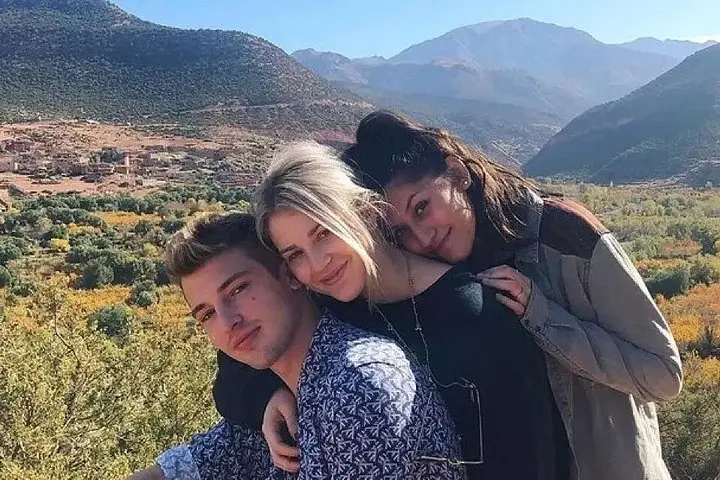
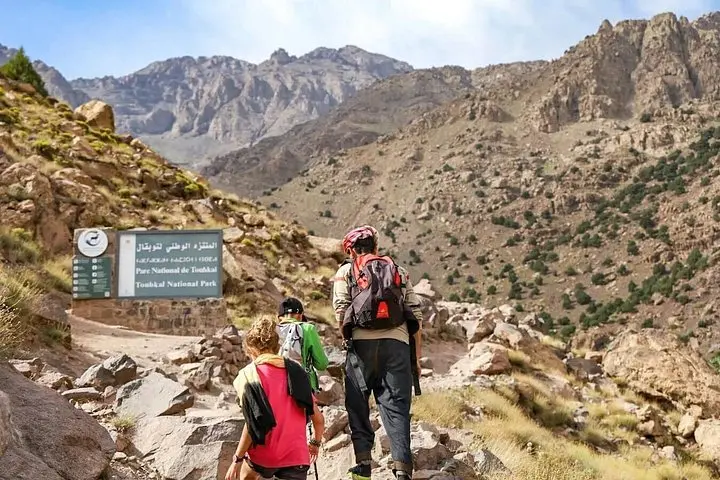
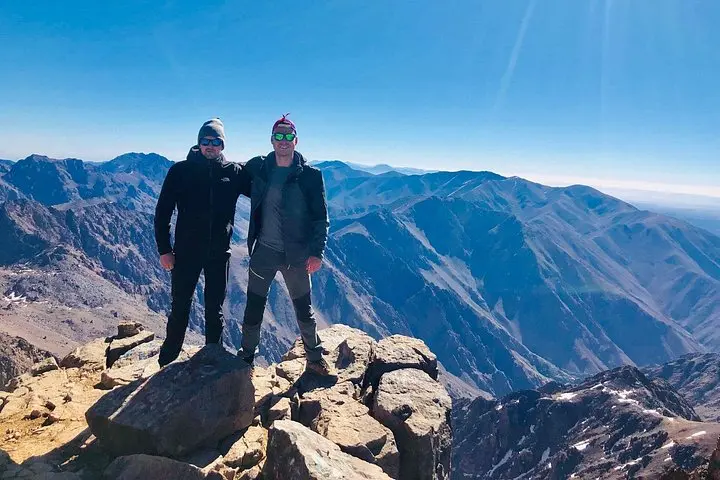
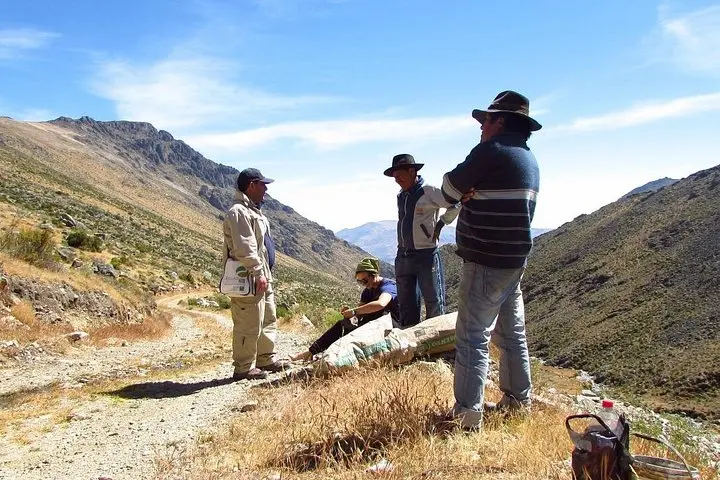
The first light on the Atlas cuts through a cold, thin air that seems to push you forward. You leave Casablanca's flat, luminous streets and climb toward serrated ridgelines; by dusk the village of Aremd rests below like a cluster of lit stones. The route threads pine groves, terraced fields, and the dry chatter of an Atlas river before the slope steepens toward the Toubkal Refuge.
The first light on the Atlas cuts through a cold, thin air that seems to push you forward. You leave Casablanca's flat, luminous streets and climb toward serrated ridgelines; by dusk the village of Aremd rests below like a cluster of lit stones. The route threads pine groves, terraced fields, and the dry chatter of an Atlas river before the slope steepens toward the Toubkal Refuge.
Geology here is granite and schist, carved into steep cols and gullies by seasonal melt. The mountains long shaped Berber life — villages like Imlil and Aremd are practical, with guesthouses run by families who’ve guided these paths for generations. Sidi Chamharouch, a small shrine on the route, is a cultural waypoint for Moroccan pilgrims and an odd, reverent pause amid the exertion.
Over three days you gain altitude deliberately: first approach from Aremd, then the laborious push past the shrine to the refuge (3,206 m), and the pre-dawn summit ascent to Jebel Toubkal (4,167 m). Expect rocky scree, steep switchbacks, and variable weather — mornings can be still and sun-washed, afternoons prone to wind and cloud.
Practical edge: start early, move at a steady pace to manage altitude, and rely on mules for luggage. The refuge accommodations are basic; bring layered clothing, a reliable headlamp, and a water system you can refill. Guides manage logistics and cuisine, leaving you to read the mountain and keep a steady breathing rhythm as the summit opens the world wide beneath you.