THE ADVENTURE COLLECTIVE® · Independent discovery and booking for outdoor travel

A compact 3-day push from Marrakech through Imlil to the summit of Jebel Toubkal (4,167 m). Expect long climbs, rocky terrain and authentic Berber hospitality—ideal for fit trekkers seeking high-altitude exposure without technical climbing.
A compact 3-day push from Marrakech through Imlil to the summit of Jebel Toubkal (4,167 m). Expect long climbs, rocky terrain and authentic Berber hospitality—ideal for fit trekkers seeking high-altitude exposure without technical climbing.
A cold wind cuts across the scree as you leave Imlil before dawn, headlamp bobbing, breath visible in the thin air. The High Atlas opens in stark ridges and terraced fields; walnut trees and stone huts shrink behind you while the summit of Jebel Toubkal—North Africa's highest point—pulls you up like a magnet.
Verified experiences and guided adventures in the surrounding area.
Operated by Marrakech Sweet Travel · Imlil, Marrakesh-Safi
A cold wind cuts across the scree as you leave Imlil before dawn, headlamp bobbing, breath visible in the thin air. The High Atlas opens in stark ridges and terraced fields; walnut trees and stone huts shrink behind you while the summit of Jebel Toubkal—North Africa's highest point—pulls you up like a magnet.
Geology here tells of folded limestone and volcanic intrusions worn by glacial and seasonal runoff into sharp cols and wide stony basins. Berber villages cling to lower slopes, their stepped fields and irrigation channels tracing a landscape farmed for centuries; you’ll pass through small shrines such as Sidi Chamharouch and meet families who still practice transhumant shepherding.
The route is predominantly mule track, rocky talus and stone steps. Expect about 2,350–2,400 m of elevation gain on summit day (Imlil ~1,740 m to 4,167 m), with long ascents of 6–8 hours and steep sections on loose scree near the final ridge. Spring brings melting snow on the upper slopes; summer softens scree but can be hot low down. The normal route requires no technical climbing in summer, but altitude awareness and steady pacing matter.
Practical guidance: start early to avoid afternoon weather, layer for rapid temperature swings, carry 3–4 liters of water and snacks, and acclimatize if possible. Book a local guide and consider mule support for luggage. Respect local customs—ask before photographing—and pack out waste. With solid boots, measured pacing and respect for the mountain, the 3-day Toubkal trek is a compact, achievable high-altitude adventure that rewards you with sweeping panoramas and close encounters with Berber mountain life.
No technical climbing skills are required on the normal route in summer; however, you should have solid trekking experience and be comfortable on steep, rocky, and loose terrain.
Most packages include hotel pickup in Marrakech, transfers to Imlil, a local guide, two nights accommodation (guesthouse/Berber house), meals as stated, and transport back to Marrakech.
At 4,167 m there is a real risk of acute mountain sickness; slow pacing, hydration, recognizing symptoms and descending if needed are essential—those with heart conditions should avoid the trek.
Yes—mule support is common and recommended to carry heavier luggage; confirm availability and cost with the operator in advance.
Marrakech Sweet Travel operates guided outdoor trips and adventures with an emphasis on safety, stewardship, and memorable experiences.


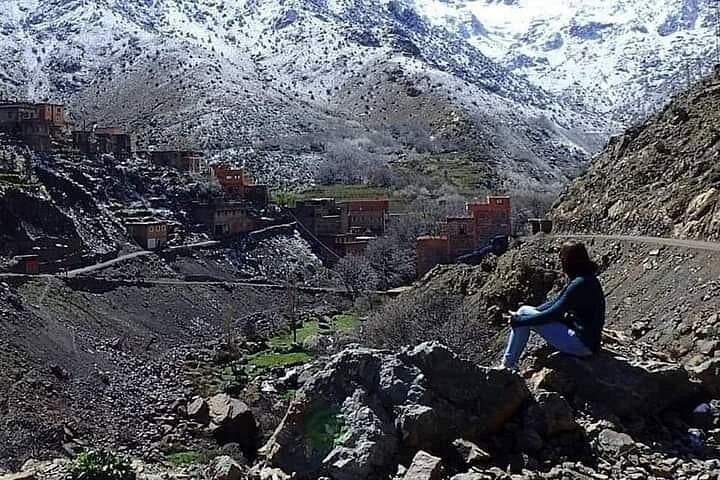
A cold wind cuts across the scree as you leave Imlil before dawn, headlamp bobbing, breath visible in the thin air. The High Atlas opens in stark ridges and terraced fields; walnut trees and stone huts shrink behind you while the summit of Jebel Toubkal—North Africa's highest point—pulls you up like a magnet.
A cold wind cuts across the scree as you leave Imlil before dawn, headlamp bobbing, breath visible in the thin air. The High Atlas opens in stark ridges and terraced fields; walnut trees and stone huts shrink behind you while the summit of Jebel Toubkal—North Africa's highest point—pulls you up like a magnet.
Geology here tells of folded limestone and volcanic intrusions worn by glacial and seasonal runoff into sharp cols and wide stony basins. Berber villages cling to lower slopes, their stepped fields and irrigation channels tracing a landscape farmed for centuries; you’ll pass through small shrines such as Sidi Chamharouch and meet families who still practice transhumant shepherding.
The route is predominantly mule track, rocky talus and stone steps. Expect about 2,350–2,400 m of elevation gain on summit day (Imlil ~1,740 m to 4,167 m), with long ascents of 6–8 hours and steep sections on loose scree near the final ridge. Spring brings melting snow on the upper slopes; summer softens scree but can be hot low down. The normal route requires no technical climbing in summer, but altitude awareness and steady pacing matter.
Practical guidance: start early to avoid afternoon weather, layer for rapid temperature swings, carry 3–4 liters of water and snacks, and acclimatize if possible. Book a local guide and consider mule support for luggage. Respect local customs—ask before photographing—and pack out waste. With solid boots, measured pacing and respect for the mountain, the 3-day Toubkal trek is a compact, achievable high-altitude adventure that rewards you with sweeping panoramas and close encounters with Berber mountain life.