THE ADVENTURE COLLECTIVE® · Independent discovery and booking for outdoor travel

Climb North Africa’s highest peak on a focused three-day guided trek from Marrakech. This route uses mule tracks, overnight refuge stays and local guides to reach Jebel Toubkal with cultural stops through Berber villages.
Climb North Africa’s highest peak on a focused three-day guided trek from Marrakech. This route uses mule tracks, overnight refuge stays and local guides to reach Jebel Toubkal with cultural stops through Berber villages.
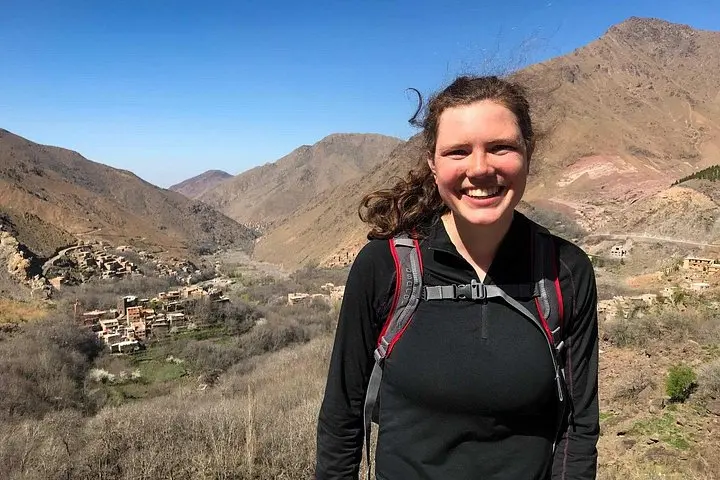
You step out of the minibus as wind and limestone taste the air — a narrow lane of olive trees and dry stone walls funnels you from Marrakech toward Imlil. The village sits at 1,740 m, a final pocket of green before the trail climbs into rock, scree and the thin, bright light of the High Atlas.
Verified experiences and guided adventures in the surrounding area.
Operated by Smart Morocco Tours Excursions · Imlil, Marrakech-Safi
You step out of the minibus as wind and limestone taste the air — a narrow lane of olive trees and dry stone walls funnels you from Marrakech toward Imlil. The village sits at 1,740 m, a final pocket of green before the trail climbs into rock, scree and the thin, bright light of the High Atlas.
This three-day itinerary follows traditional mule tracks through Berber villages and steep gullies to the Toubkal Refuge at ~3,200 m, then on to the 4,167 m summit of Jebel Toubkal. Geologically the range is a mix of folded sedimentary rock and igneous intrusions, carved by winter snow and episodic avalanches. Culturally, the trail threads through Amazigh (Berber) communities whose terraces and seasonal grazing patterns shaped the paths you’ll use.
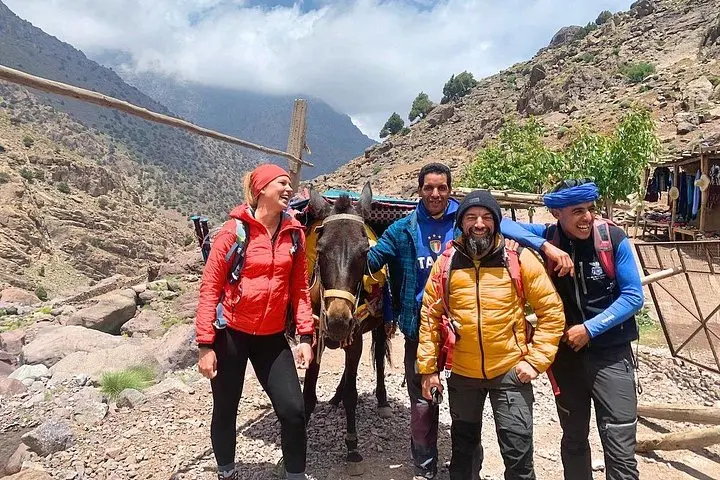
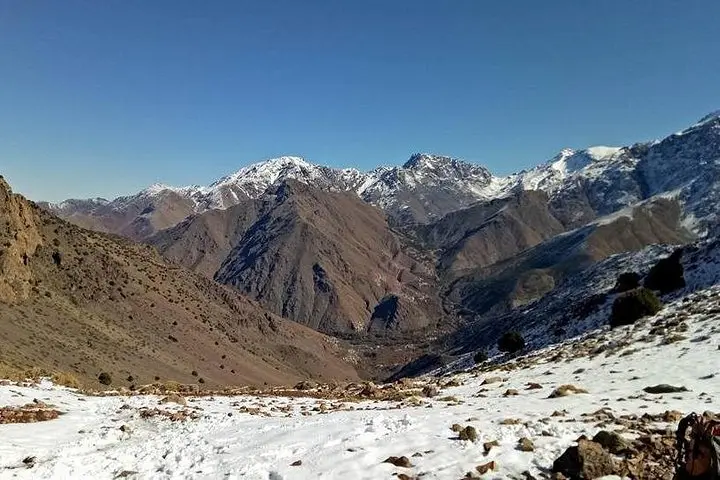
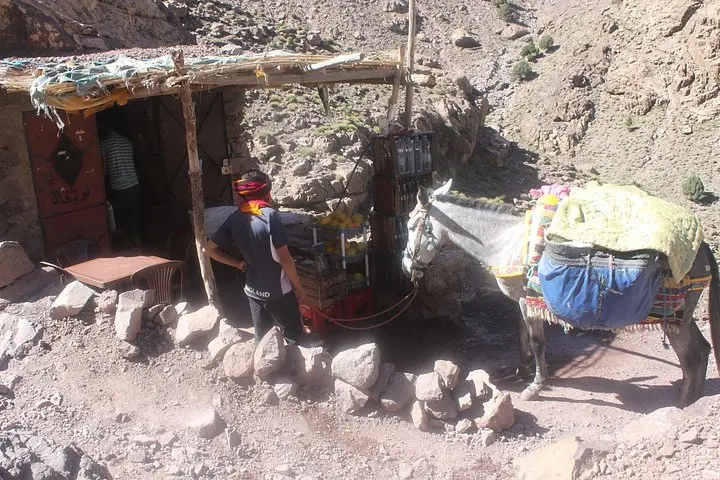
Expect 5–6 hours of walking most days over rocky, sometimes loose terrain with short, steep pitches and sections of stone steps. Weather can flip quickly — sun, sharp wind and sudden snowfall are all possible higher up. The refuge offers simple dorm-style lodging and cooked meals; muleteers typically carry heavier loads.
Practical guidance: acclimatize in Imlil, pace conservatively on summit day, and carry extra layers, a headlamp and at least 2–3 liters of water. Good ankle-supporting boots and trekking poles make steep descents easier. Mobile reception is intermittent; bring cash for village purchases and tip muleteers and guides.
This trek is as much a cultural hike as an alpine one: conversations with guides, the call of shepherds and the sightlines to the Sahara from high ridges are part of the reward. Plan for moderate to challenging effort, respect fragile vegetation, and expect memorable high-mountain panoramas.
Summit day is the longest and steepest: expect 8–10 hours round-trip from the refuge with sustained elevation gain and loose scree near the top.
No technical gear is required in summer; crampons and an ice axe may be necessary in winter or late spring conditions—your operator should advise beforehand.
Accommodation is dorm-style mountain refuges and simple local lodging in Imlil; facilities are basic but meals are provided.
People with good fitness who follow guides’ pacing and acclimatization advice can usually complete the trek, but it’s not recommended for those with heart or serious back conditions or for pregnant travelers.
Smart Morocco Tours Excursions operates guided outdoor trips and adventures with an emphasis on safety, stewardship, and memorable experiences.
You step out of the minibus as wind and limestone taste the air — a narrow lane of olive trees and dry stone walls funnels you from Marrakech toward Imlil. The village sits at 1,740 m, a final pocket of green before the trail climbs into rock, scree and the thin, bright light of the High Atlas.
You step out of the minibus as wind and limestone taste the air — a narrow lane of olive trees and dry stone walls funnels you from Marrakech toward Imlil. The village sits at 1,740 m, a final pocket of green before the trail climbs into rock, scree and the thin, bright light of the High Atlas.
This three-day itinerary follows traditional mule tracks through Berber villages and steep gullies to the Toubkal Refuge at ~3,200 m, then on to the 4,167 m summit of Jebel Toubkal. Geologically the range is a mix of folded sedimentary rock and igneous intrusions, carved by winter snow and episodic avalanches. Culturally, the trail threads through Amazigh (Berber) communities whose terraces and seasonal grazing patterns shaped the paths you’ll use.
Expect 5–6 hours of walking most days over rocky, sometimes loose terrain with short, steep pitches and sections of stone steps. Weather can flip quickly — sun, sharp wind and sudden snowfall are all possible higher up. The refuge offers simple dorm-style lodging and cooked meals; muleteers typically carry heavier loads.
Practical guidance: acclimatize in Imlil, pace conservatively on summit day, and carry extra layers, a headlamp and at least 2–3 liters of water. Good ankle-supporting boots and trekking poles make steep descents easier. Mobile reception is intermittent; bring cash for village purchases and tip muleteers and guides.
This trek is as much a cultural hike as an alpine one: conversations with guides, the call of shepherds and the sightlines to the Sahara from high ridges are part of the reward. Plan for moderate to challenging effort, respect fragile vegetation, and expect memorable high-mountain panoramas.