THE ADVENTURE COLLECTIVE® · Independent discovery and booking for outdoor travel

Three days through Transylvania’s mountain villages and fortified towns: castles, a living medieval citadel and rural hikes under the Carpathians. This guided route blends cultural history with short walks and village life, with accommodations and transport included.
Three days through Transylvania’s mountain villages and fortified towns: castles, a living medieval citadel and rural hikes under the Carpathians. This guided route blends cultural history with short walks and village life, with accommodations and transport included.
A cold morning fog lifts from the Bucegi foothills as the sedan eases out of Bucharest and the city’s hum gives way to a rhythm of church bells and barking farm dogs. Rugged ridgelines frame switchback roads; fields open into hamlets where wooden porches and painted fences mark a slower pace. You step out at a 4-star guesthouse in Magura or Peștera with Piatra Craiului overhead, the mountains both a backdrop and a promise.
Verified experiences and guided adventures in the surrounding area.
Operated by BookToursRomania · Brașov, Brașov County
A cold morning fog lifts from the Bucegi foothills as the sedan eases out of Bucharest and the city’s hum gives way to a rhythm of church bells and barking farm dogs. Rugged ridgelines frame switchback roads; fields open into hamlets where wooden porches and painted fences mark a slower pace. You step out at a 4-star guesthouse in Magura or Peștera with Piatra Craiului overhead, the mountains both a backdrop and a promise.
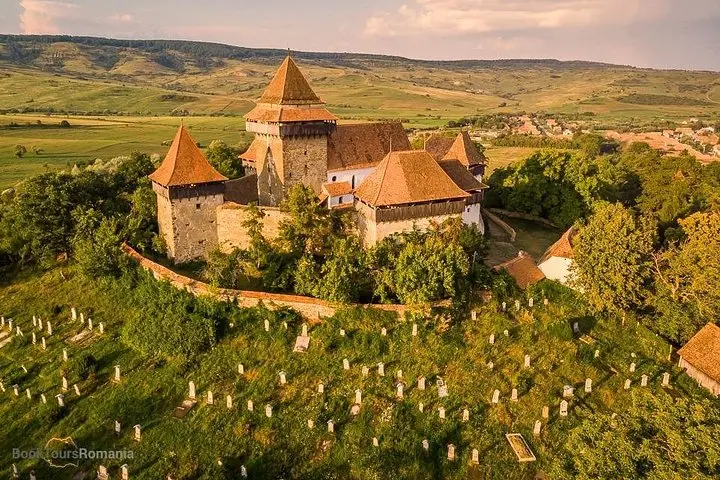
This corridor of Transylvania is layered with history: Saxon colonists who built fortified churches in the 12th–14th centuries, Habsburg-era palaces like Peleș, and the later folklore that fed the Dracula myth. Geologically the landscape is a meeting of Carpathian limestone ridges, narrow gorges and fertile valleys—places the locals use for sheep grazing and seasonal haymaking. Cultural rhythms remain evident in household craft, church clocks and the patchwork of field plots.
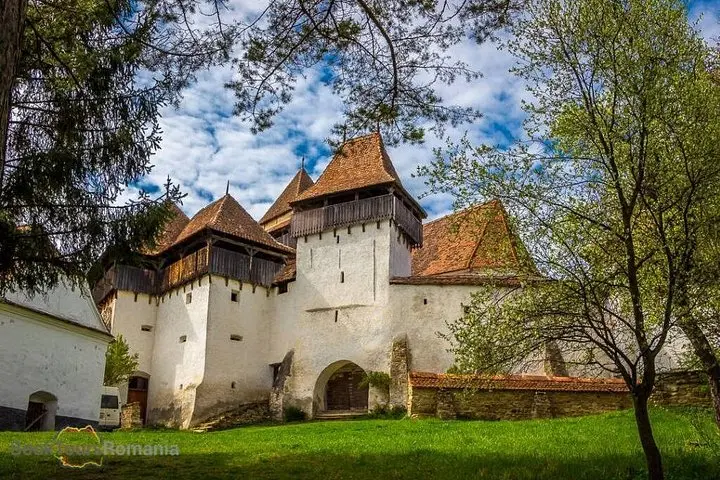
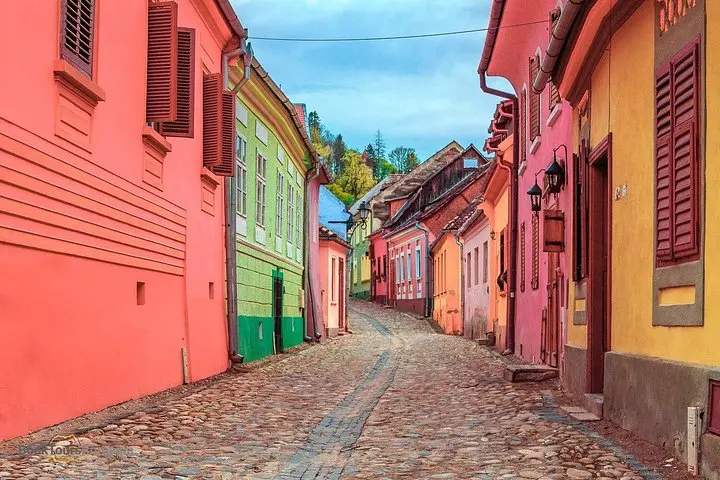
Expect guided walks through Viscri’s white-walled fortified church, a climbing of Sighișoara’s cobbled citadel streets, and a tour of Bran and Peleș Castles. Hikes into Zărnești Gorge or a village loop are tailored to the group—terrain alternates between dirt farm tracks and steep limestone trails.
Practical edge: travel light but bring sturdy footwear, a waterproof mid-layer and a daypack for water and documents. Plan for early starts to avoid afternoon crowds at key castles; cash helps in small villages. Accommodations are included, but the pace remains flexible—this is a cultural-into-wild itinerary that rewards curiosity and a readiness to walk.
Walks are generally short to moderate (1–4 hours), on village tracks and marked trails; options are available for lower fitness levels.
Yes—small villages, local craft sellers and some smaller attractions prefer cash (Romanian leu); ATMs are available in larger towns like Brașov and Sighișoara.
Yes. The tour accepts single travelers and provides shared or single-room options depending on booking.
Standard entrance fees listed in the itinerary and two nights’ accommodation with breakfast are included; check the tour page for specifics.
BookToursRomania operates guided outdoor trips and adventures with an emphasis on safety, stewardship, and memorable experiences.
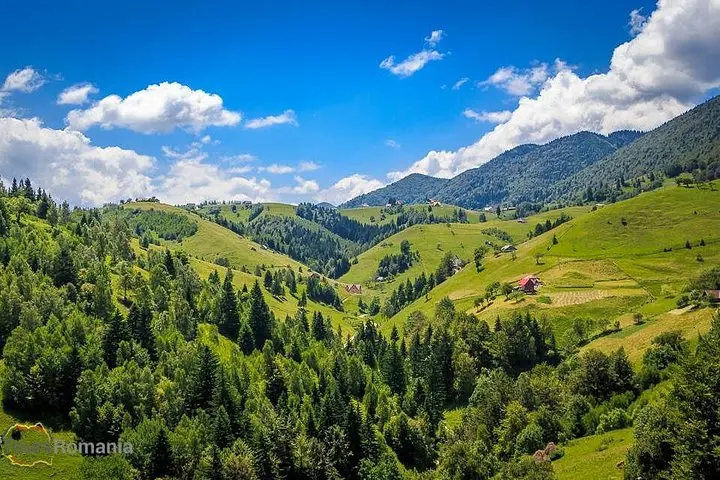
A cold morning fog lifts from the Bucegi foothills as the sedan eases out of Bucharest and the city’s hum gives way to a rhythm of church bells and barking farm dogs. Rugged ridgelines frame switchback roads; fields open into hamlets where wooden porches and painted fences mark a slower pace. You step out at a 4-star guesthouse in Magura or Peștera with Piatra Craiului overhead, the mountains both a backdrop and a promise.
A cold morning fog lifts from the Bucegi foothills as the sedan eases out of Bucharest and the city’s hum gives way to a rhythm of church bells and barking farm dogs. Rugged ridgelines frame switchback roads; fields open into hamlets where wooden porches and painted fences mark a slower pace. You step out at a 4-star guesthouse in Magura or Peștera with Piatra Craiului overhead, the mountains both a backdrop and a promise.
This corridor of Transylvania is layered with history: Saxon colonists who built fortified churches in the 12th–14th centuries, Habsburg-era palaces like Peleș, and the later folklore that fed the Dracula myth. Geologically the landscape is a meeting of Carpathian limestone ridges, narrow gorges and fertile valleys—places the locals use for sheep grazing and seasonal haymaking. Cultural rhythms remain evident in household craft, church clocks and the patchwork of field plots.
Expect guided walks through Viscri’s white-walled fortified church, a climbing of Sighișoara’s cobbled citadel streets, and a tour of Bran and Peleș Castles. Hikes into Zărnești Gorge or a village loop are tailored to the group—terrain alternates between dirt farm tracks and steep limestone trails.
Practical edge: travel light but bring sturdy footwear, a waterproof mid-layer and a daypack for water and documents. Plan for early starts to avoid afternoon crowds at key castles; cash helps in small villages. Accommodations are included, but the pace remains flexible—this is a cultural-into-wild itinerary that rewards curiosity and a readiness to walk.