
3-Day Treasure of Angkor: Angkor Wat, Phnom Kulen & Tonle Sap Guided Tour
Three days tracing Angkor’s great monuments, the sacred riverbeds of Phnom Kulen and the floating villages of Tonle Sap. This guided itinerary pairs sunrise and sunset temple visits with local markets and village stops to give context to Cambodia’s Angkorian landscape.
An Adventure In Siem Reap.
Three days tracing Angkor’s great monuments, the sacred riverbeds of Phnom Kulen and the floating villages of Tonle Sap. This guided itinerary pairs sunrise and sunset temple visits with local markets and village stops to give context to Cambodia’s Angkorian landscape.
Read the full experience
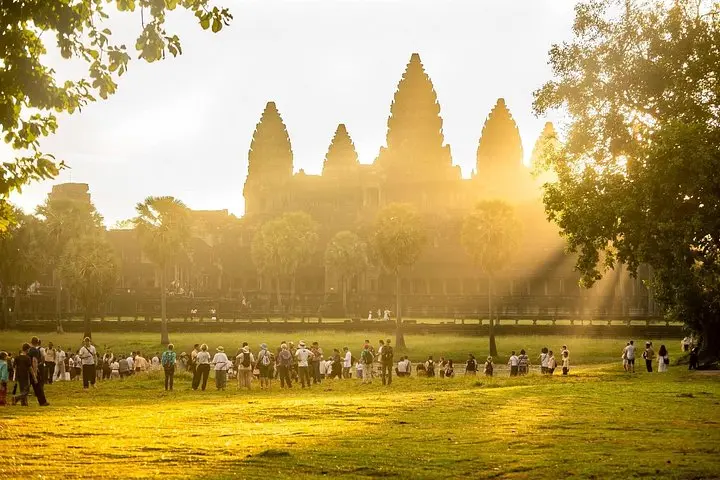
You step from the van before dawn and the air tastes of warm stone and incense. Dawn light unravels the tiers of Angkor Wat; later, jungle paths open onto a thunderous Phnom Kulen fall and a river carved with thousand lingas. Over three days the pace shifts—meditative temple mornings, a humid afternoon by a freshwater lake, and quiet village lanes lined with stilt houses.
You step from the van before dawn and the air tastes of warm stone and incense. Dawn light unravels the tiers of Angkor Wat; later, jungle paths open onto a thunderous Phnom Kulen fall and a river carved with thousand lingas. Over three days the pace shifts—meditative temple mornings, a humid afternoon by a freshwater lake, and quiet village lanes lined with stilt houses.
Angkor’s temples were built by the Khmer between the 9th and 13th centuries; Angkor Wat, completed in the early 12th century, became both a political and religious center. Phnom Kulen is geologically older sandstone uplift, its riverbed carved with Shiva lingas regarded as sacred; Tonle Sap’s seasonal pulse alters the landscape and the lives of floating-village communities.
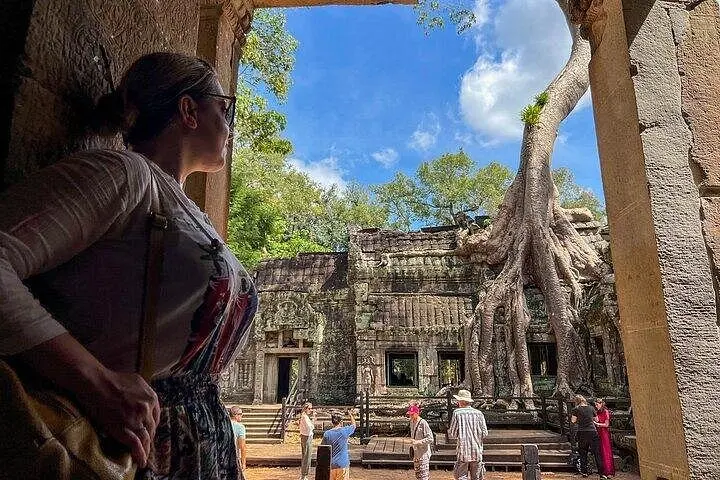
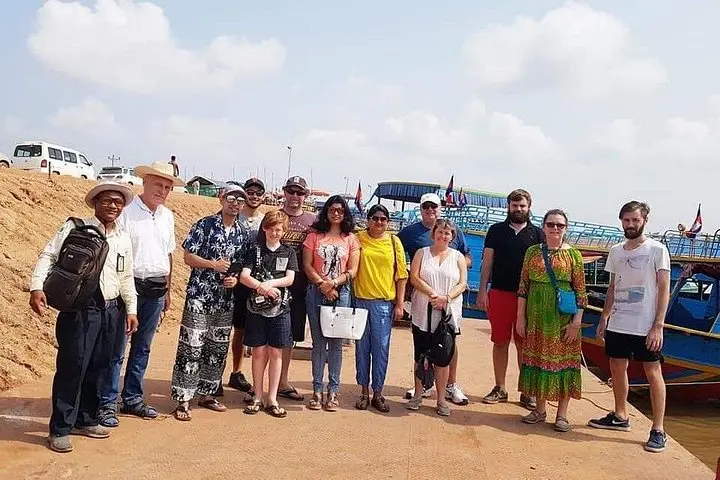
Expect corridors of carvings, wide causeways, and sections where banyan roots have lifted stone blocks. Guides lead entry logistics (Angkor pass purchase, crowd timing) and ferry you between distant sites. Cultural touches include a walk through a local market and the chance to visit village schools around the lake.
Practical guidance: bring a lightweight daypack with water and sun protection; wear shoes that handle dusty paths and intermittent wet rock; dress respectfully for temple visits (shoulders and knees covered). Sunrise and late-afternoon visits reduce heat and mid-day crowds. The tour’s included transfers simplify logistics, but be prepared for early pickup times and stretches of standing while exploring ruins.
This itinerary balances major temples with off-road heritage at Phnom Kulen and the living culture of Tonle Sap—great for travelers who want both photo moments and contextual depth.
Frequently asked questions
Yes—an Angkor Park pass is required for temple entry; the tour can help you buy it on arrival and will transport you between sites.
Sunrise pickups typically occur around 4:30–5:00 a.m.; the tour asks hotels to pack breakfast to eat after the sunrise viewing.
The itinerary is rated easy and accessible; transportation and many sites are wheelchair friendly, but some temple areas have stairs and uneven surfaces.
Dress modestly: shoulders and knees covered. Lightweight, breathable fabrics are recommended for heat and humidity.
About This Experience
Angkor 𝐓𝐫𝐚𝐯𝐞𝐥 𝐆𝐮𝐢𝐝𝐞 operates guided outdoor trips and adventures with an emphasis on safety, stewardship, and memorable experiences.
Adventure tips
Recommended gear
- Light daypack: Holds water, sunscreen, camera, and a lightweight rain layer for moving between sites.
- Sturdy walking shoes: Closed shoes with grip for uneven stone steps, dusty tracks, and wet rocks at waterfalls.
- Sun protection (hat + sunscreen): Midday sun is strong—use high-SPF sunscreen and a brimmed hat for long outdoor stretches.
- Light rain jacket: Useful during sudden tropical showers, especially in the wet season months.
Photos of the experience
Related adventures & guides
Read the full experience
You step from the van before dawn and the air tastes of warm stone and incense. Dawn light unravels the tiers of Angkor Wat; later, jungle paths open onto a thunderous Phnom Kulen fall and a river carved with thousand lingas. Over three days the pace shifts—meditative temple mornings, a humid afternoon by a freshwater lake, and quiet village lanes lined with stilt houses.
You step from the van before dawn and the air tastes of warm stone and incense. Dawn light unravels the tiers of Angkor Wat; later, jungle paths open onto a thunderous Phnom Kulen fall and a river carved with thousand lingas. Over three days the pace shifts—meditative temple mornings, a humid afternoon by a freshwater lake, and quiet village lanes lined with stilt houses.
Angkor’s temples were built by the Khmer between the 9th and 13th centuries; Angkor Wat, completed in the early 12th century, became both a political and religious center. Phnom Kulen is geologically older sandstone uplift, its riverbed carved with Shiva lingas regarded as sacred; Tonle Sap’s seasonal pulse alters the landscape and the lives of floating-village communities.
Expect corridors of carvings, wide causeways, and sections where banyan roots have lifted stone blocks. Guides lead entry logistics (Angkor pass purchase, crowd timing) and ferry you between distant sites. Cultural touches include a walk through a local market and the chance to visit village schools around the lake.
Practical guidance: bring a lightweight daypack with water and sun protection; wear shoes that handle dusty paths and intermittent wet rock; dress respectfully for temple visits (shoulders and knees covered). Sunrise and late-afternoon visits reduce heat and mid-day crowds. The tour’s included transfers simplify logistics, but be prepared for early pickup times and stretches of standing while exploring ruins.
This itinerary balances major temples with off-road heritage at Phnom Kulen and the living culture of Tonle Sap—great for travelers who want both photo moments and contextual depth.
Make a day of it nearby.
Verified experiences and guided adventures in the surrounding area.