THE ADVENTURE COLLECTIVE® · Independent discovery and booking for outdoor travel

A brisk three-day trek from Chefchaouen through Talassemtane National Park: cedar forests, the Bridge of God rock arch, and the jade pools of Akchour waterfalls. Expect steep trails, Berber hospitality, and dramatic canyon scenery.
A brisk three-day trek from Chefchaouen through Talassemtane National Park: cedar forests, the Bridge of God rock arch, and the jade pools of Akchour waterfalls. Expect steep trails, Berber hospitality, and dramatic canyon scenery.
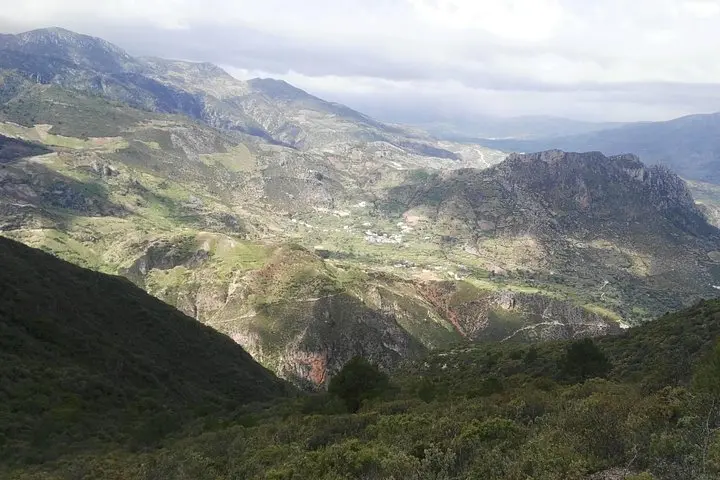
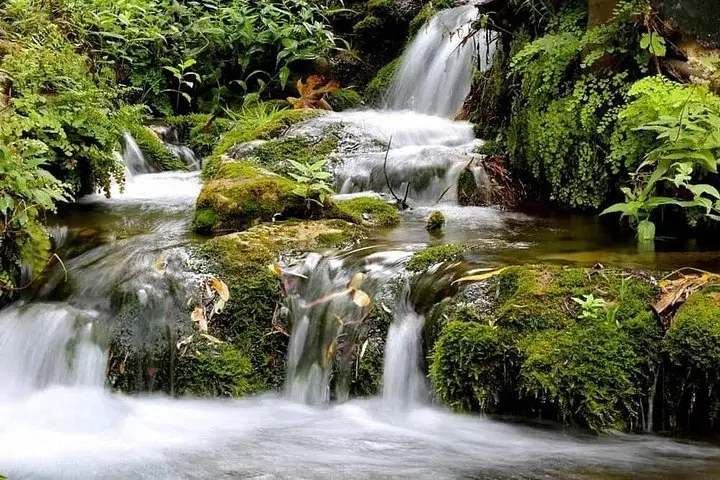
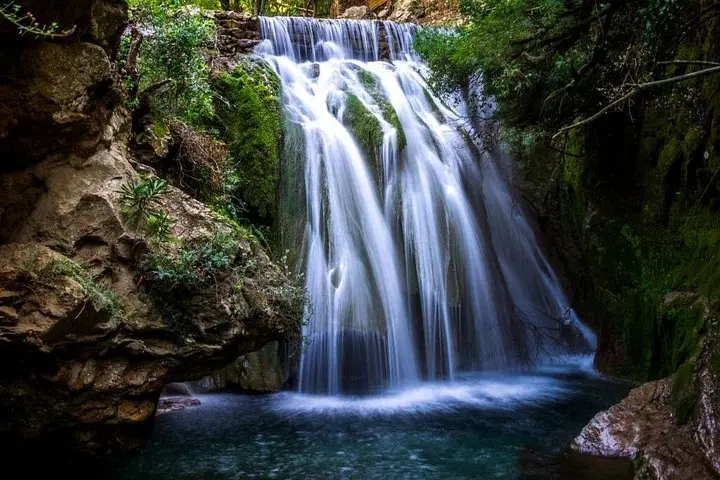
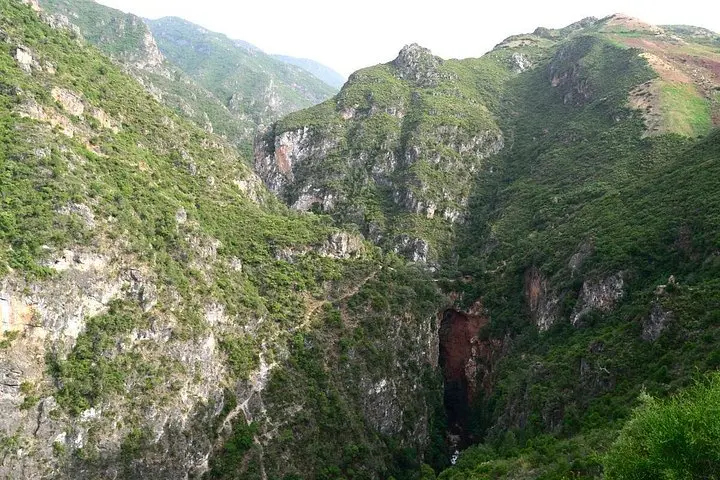
You step away from Chefchaouen’s painted alleys and the mountain smells change—fir and cedar press close, the air cool and resin-scented. A trail narrows between moss-slick rocks and a river that seems to dare you forward; on the third day it will loosen into a drop of water that falls into a jade pool, the Akchour waterfalls. This is a three-day circuit through Talassemtane National Park, where river-carved limestone, deep gorges and village terraces lay out a compact portrait of northern Morocco’s high country.
Verified experiences and guided adventures in the surrounding area.
Operated by Chefchaouen Adventures · Chefchaouen, Tanger-Tetouan-Al Hoceima
You step away from Chefchaouen’s painted alleys and the mountain smells change—fir and cedar press close, the air cool and resin-scented. A trail narrows between moss-slick rocks and a river that seems to dare you forward; on the third day it will loosen into a drop of water that falls into a jade pool, the Akchour waterfalls. This is a three-day circuit through Talassemtane National Park, where river-carved limestone, deep gorges and village terraces lay out a compact portrait of northern Morocco’s high country.
Geology here reads like a slow-motion drama: limestone folded and cracked, then incised by seasonal torrents until natural arches and narrow canyons formed. The famous Bridge of God—the area’s dramatic rock arch—was sculpted by that abrasive patience. The Rif Mountains themselves are younger, steeper cousins to the Atlas range, creating abrupt drops, panoramic ridgelines and valleys that channel clouds and life into concentrated, lush pockets.
Culture threads through the route. You’ll spend nights in family-run rural houses, eating tagine and sipping mint-and-medicinal-plant teas poured with the casual ceremony of Berber hospitality. Villages like Afeska and the community around Akchour have long histories of mountain farming and shepherding; terraces and ancient junipers mark human persistence. Locals know the trails intimately and often guide with a mix of practical caution and wry humor.
This itinerary is honest about effort: expect a mix of steep ascents, rocky switchbacks and shaded forest paths. Day one climbs into upper Tissouka valley with long panoramic stretches; day two threads cedar and pine toward the Bridge of God; day three delivers the reward—Akchour’s cascades and seasonal plunge pools. Terrain varies from loose scree to packed earth and slate slabs; river crossings are common in wet months.
Practical edge: pack sturdy boots, a light waterproof layer, and a hydration system for at least 2–3 liters per day. Trails are marked but uneven—poles help on descents. Swimming in the pools is possible in summer if you’re comfortable with cold mountain water; bring a quick-dry towel. Weather flips quickly at elevation—start early to avoid midday heat and afternoon showers.
Logistics are straightforward: guided transfers are included back to Chefchaouen, and the route supports single-bag overnight stays in village guesthouses. Respect local customs—ask before photographing people—and leave no trace; these karst landscapes respond badly to erosion and litter.
Three days here are compact but full: history in every terrace, geology in every gorge, and hospitality in every shared meal. For hikers who want a short, wild mountain immersion with cultural contact, the Rif’s cedar slopes and Akchour’s roaring falls make a convincing case.
It’s moderate: long days with sustained climbs and descents on uneven terrain; travelers should have prior day-hiking experience.
In summer the pools by Akchour are often swimmable but cold—conditions vary; check with guides before entering the water.
Overnights are in family-run rural houses or small guesthouses with shared facilities and home-cooked meals.
A guide is included and recommended for navigation, local context and safety on the steeper, less-marked sections.
Families with older, experienced hikers may manage it, but it’s not recommended for very young children due to long days and rough terrain.
The tour includes transfer back from Akchour to Chefchaouen by local taxi; confirm pickup details with the supplier.
Chefchaouen Adventures operates guided outdoor trips and adventures with an emphasis on safety, stewardship, and memorable experiences.
You step away from Chefchaouen’s painted alleys and the mountain smells change—fir and cedar press close, the air cool and resin-scented. A trail narrows between moss-slick rocks and a river that seems to dare you forward; on the third day it will loosen into a drop of water that falls into a jade pool, the Akchour waterfalls. This is a three-day circuit through Talassemtane National Park, where river-carved limestone, deep gorges and village terraces lay out a compact portrait of northern Morocco’s high country.
You step away from Chefchaouen’s painted alleys and the mountain smells change—fir and cedar press close, the air cool and resin-scented. A trail narrows between moss-slick rocks and a river that seems to dare you forward; on the third day it will loosen into a drop of water that falls into a jade pool, the Akchour waterfalls. This is a three-day circuit through Talassemtane National Park, where river-carved limestone, deep gorges and village terraces lay out a compact portrait of northern Morocco’s high country.
Geology here reads like a slow-motion drama: limestone folded and cracked, then incised by seasonal torrents until natural arches and narrow canyons formed. The famous Bridge of God—the area’s dramatic rock arch—was sculpted by that abrasive patience. The Rif Mountains themselves are younger, steeper cousins to the Atlas range, creating abrupt drops, panoramic ridgelines and valleys that channel clouds and life into concentrated, lush pockets.
Culture threads through the route. You’ll spend nights in family-run rural houses, eating tagine and sipping mint-and-medicinal-plant teas poured with the casual ceremony of Berber hospitality. Villages like Afeska and the community around Akchour have long histories of mountain farming and shepherding; terraces and ancient junipers mark human persistence. Locals know the trails intimately and often guide with a mix of practical caution and wry humor.
This itinerary is honest about effort: expect a mix of steep ascents, rocky switchbacks and shaded forest paths. Day one climbs into upper Tissouka valley with long panoramic stretches; day two threads cedar and pine toward the Bridge of God; day three delivers the reward—Akchour’s cascades and seasonal plunge pools. Terrain varies from loose scree to packed earth and slate slabs; river crossings are common in wet months.
Practical edge: pack sturdy boots, a light waterproof layer, and a hydration system for at least 2–3 liters per day. Trails are marked but uneven—poles help on descents. Swimming in the pools is possible in summer if you’re comfortable with cold mountain water; bring a quick-dry towel. Weather flips quickly at elevation—start early to avoid midday heat and afternoon showers.
Logistics are straightforward: guided transfers are included back to Chefchaouen, and the route supports single-bag overnight stays in village guesthouses. Respect local customs—ask before photographing people—and leave no trace; these karst landscapes respond badly to erosion and litter.
Three days here are compact but full: history in every terrace, geology in every gorge, and hospitality in every shared meal. For hikers who want a short, wild mountain immersion with cultural contact, the Rif’s cedar slopes and Akchour’s roaring falls make a convincing case.