THE ADVENTURE COLLECTIVE® · Independent discovery and booking for outdoor travel

Three days of marked trails, stone villages and river gorges in the Tzoumerka mountains of Epirus. Hike historic bridges, see multi-tiered waterfalls and stay in traditional mountain villages.
Three days of marked trails, stone villages and river gorges in the Tzoumerka mountains of Epirus. Hike historic bridges, see multi-tiered waterfalls and stay in traditional mountain villages.
Dawn slides down the limestone ribs of the Tzoumerka range and the path ahead smells of wet fir and crushed herb. You step out of a stone village square—flagstones warmed by yesterday’s sun—and the trail immediately climbs into old forests where narrow streams dare you to follow them downstream.
Verified experiences and guided adventures in the surrounding area.
Operated by Epirus Traveller · Syrrako, Epirus
Dawn slides down the limestone ribs of the Tzoumerka range and the path ahead smells of wet fir and crushed herb. You step out of a stone village square—flagstones warmed by yesterday’s sun—and the trail immediately climbs into old forests where narrow streams dare you to follow them downstream.
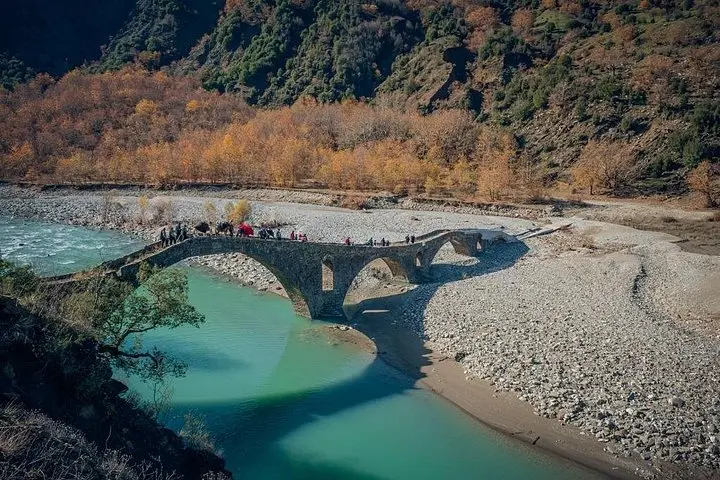
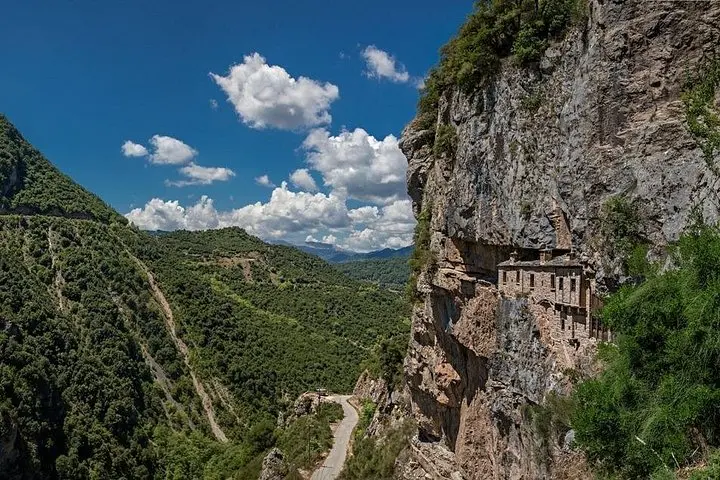
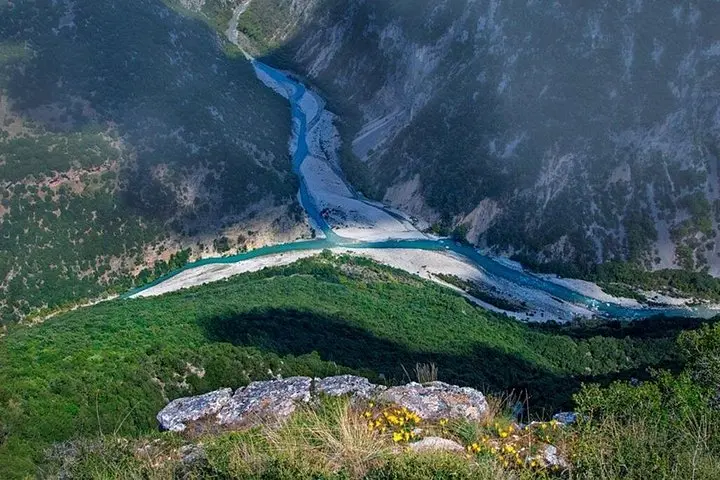
This three-day route threads through Syrrako, Kalarites and the smaller Katsanochoria settlements, places shaped by 19th-century craftsmanship and the commerce of Ottoman-era Epirus. Geology here is sharp: karstified limestone, deep gorges carved by the Arachthos River and sheer cliffs that host the region’s dramatic bridges, including the historical Plaka span. Culture is equally tangible—stone houses, silverwork traditions and mountain monasteries perched on vertical ledges.
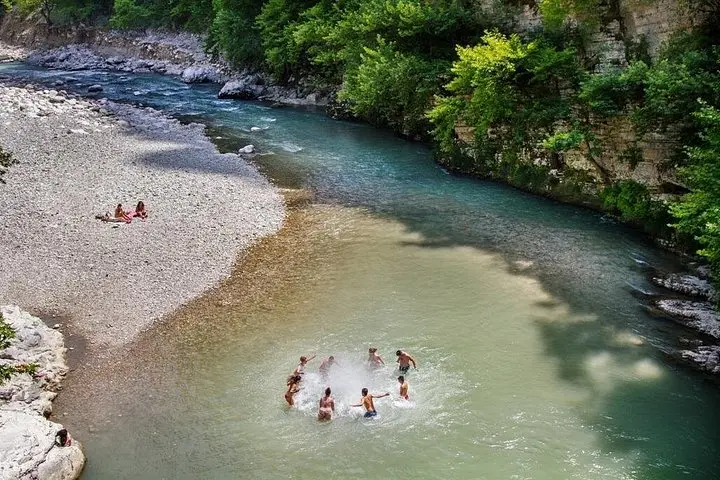
Expect mixed terrain: packed village lanes, carved stone mule tracks, forest singletrack and river-bank paths. Daily walks cover ridge-to-valley changes with sustained ascents and descents rather than technical scrambling. Waterfalls and springs—Klifki among them—punctuate the route, offering natural rest stops and photo opportunities.
Practical edge: travel light, carry a filled filter bottle, and schedule hikes for morning and late afternoon to avoid midday heat. Villages provide basic tavernas for lunches; accommodation is local guesthouses or mountain inns. Mobile signal is intermittent; bring maps and a charged power bank. This trek rewards steady hikers with quiet river canyons, centuries-old bridges and an intimate look at Epirus mountain life—sturdy legs and curiosity are the only requirements.
Routes are classified moderate: sustained ascents and descents but no technical climbing; expect several hours of walking each day with elevation changes.
Accommodation is typically local guesthouses or mountain inns in the villages; book ahead in high season.
Physically active beginners can do it with proper pacing, but participants should be comfortable on uneven terrain and carrying a daypack.
Villages provide lunch options at tavernas (pay locally); natural springs and rivers offer refill opportunities—carry a filter or purification tablets.
Epirus Traveller operates guided outdoor trips and adventures with an emphasis on safety, stewardship, and memorable experiences.
Dawn slides down the limestone ribs of the Tzoumerka range and the path ahead smells of wet fir and crushed herb. You step out of a stone village square—flagstones warmed by yesterday’s sun—and the trail immediately climbs into old forests where narrow streams dare you to follow them downstream.
Dawn slides down the limestone ribs of the Tzoumerka range and the path ahead smells of wet fir and crushed herb. You step out of a stone village square—flagstones warmed by yesterday’s sun—and the trail immediately climbs into old forests where narrow streams dare you to follow them downstream.
This three-day route threads through Syrrako, Kalarites and the smaller Katsanochoria settlements, places shaped by 19th-century craftsmanship and the commerce of Ottoman-era Epirus. Geology here is sharp: karstified limestone, deep gorges carved by the Arachthos River and sheer cliffs that host the region’s dramatic bridges, including the historical Plaka span. Culture is equally tangible—stone houses, silverwork traditions and mountain monasteries perched on vertical ledges.
Expect mixed terrain: packed village lanes, carved stone mule tracks, forest singletrack and river-bank paths. Daily walks cover ridge-to-valley changes with sustained ascents and descents rather than technical scrambling. Waterfalls and springs—Klifki among them—punctuate the route, offering natural rest stops and photo opportunities.
Practical edge: travel light, carry a filled filter bottle, and schedule hikes for morning and late afternoon to avoid midday heat. Villages provide basic tavernas for lunches; accommodation is local guesthouses or mountain inns. Mobile signal is intermittent; bring maps and a charged power bank. This trek rewards steady hikers with quiet river canyons, centuries-old bridges and an intimate look at Epirus mountain life—sturdy legs and curiosity are the only requirements.