THE ADVENTURE COLLECTIVE® · Independent discovery and booking for outdoor travel

A remote, three-day safari from Morondava to Bekopaka that pairs the sharp limestone spires of Tsingy with the iconic Baobab Avenue. Expect long overland drives, river canoes, scrambling on karst formations, and stunning sunsets.
A remote, three-day safari from Morondava to Bekopaka that pairs the sharp limestone spires of Tsingy with the iconic Baobab Avenue. Expect long overland drives, river canoes, scrambling on karst formations, and stunning sunsets.
You arrive before dawn in Morondava and the road ahead is a ribbon of dust and red earth, the horizon already edged with massive baobabs. The first day is travel—long, rough, and cinematic—carrying you through rice plains and later across wooden ferries on the Tsiribihina and Manambolo rivers until the limestone needles of Bekopaka appear like a fortress on the skyline.
Verified experiences and guided adventures in the surrounding area.
Operated by FRIENDLY TOUR GUIDE MADAGASCAR · Bekopaka, Menabe
You arrive before dawn in Morondava and the road ahead is a ribbon of dust and red earth, the horizon already edged with massive baobabs. The first day is travel—long, rough, and cinematic—carrying you through rice plains and later across wooden ferries on the Tsiribihina and Manambolo rivers until the limestone needles of Bekopaka appear like a fortress on the skyline.
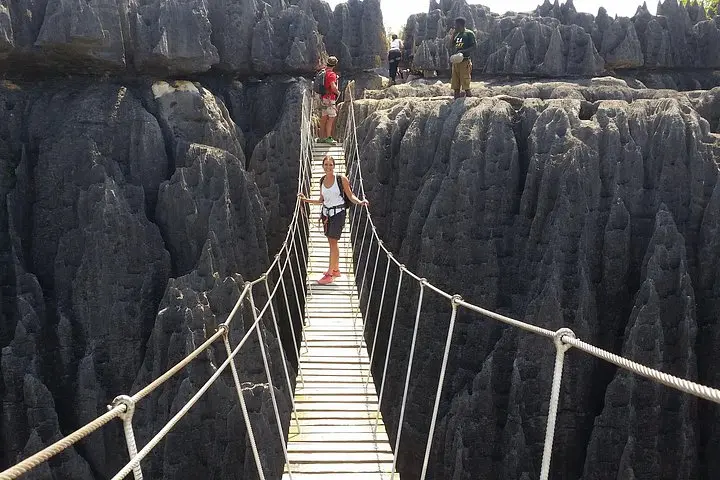
Tsingy of Bemaraha is a karst landscape carved from ancient coral and reef limestone; erosion left razor-thin pinnacles, caves, and vertical ravines. Local Sakalava communities have lived around these formations for generations and villages like Belo and Bekopaka provide practical rest stops—Mad Zebu in Belo is a common midday pause on this route.
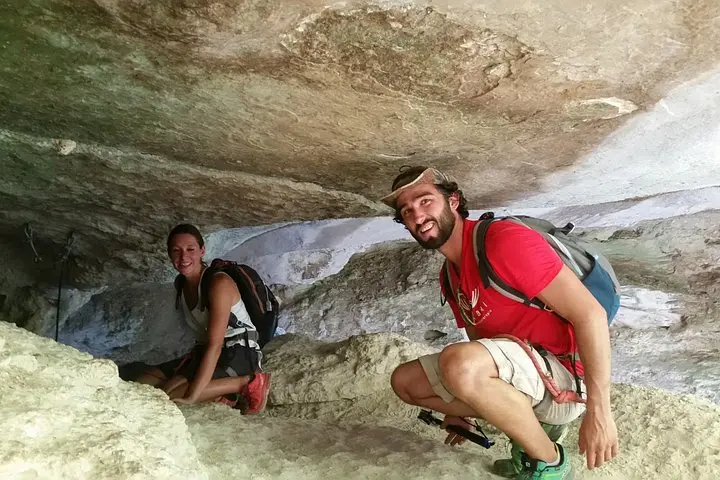
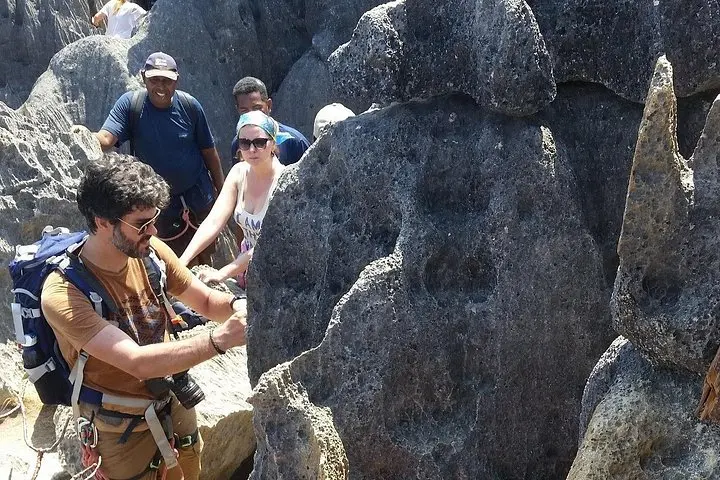
Expect hands-on exploration: scramble on sharp limestone, enter narrow caves, and cross suspended bridges that test balance and focus. River travel on traditional canoes gives a quieter perspective; the gorge walls often seem to watch you pass.
Practical guidance: this tour runs April–October when tracks dry enough for vehicles. Be prepared for full days of physical hiking and unstable footing—sturdy boots, a reliable guide, and steady hiking legs are essential. Hydrate, carry sun protection and a lightweight rain layer—weather can shift quickly in the high karst. Travel time is significant: factor in long drives and ferry waits when planning flights.
For photographers and serious hikers the trip delivers raw geology, close-up wildlife sightings, and one of Madagascar’s most iconic sunsets at Baobab Avenue—an experience that rewards planning and a willingness to travel off the beaten path.
This itinerary operates April through October when roads and ferries are reliably passable; heavy rains in the summer months close access.
Expect sustained walking, scrambling over limestone, and negotiating narrow passages and bridges—participants should be in good physical condition and free of serious back or heart problems.
Basic bungalow accommodations in Bekopaka are typically provided (e.g., Orchidée Hotel); confirm single-room needs and upgrades when booking.
Infant seats are available, but the tour is not recommended for young children or those with mobility issues due to rough roads and physically demanding sections.
FRIENDLY TOUR GUIDE MADAGASCAR operates guided outdoor trips and adventures with an emphasis on safety, stewardship, and memorable experiences.

You arrive before dawn in Morondava and the road ahead is a ribbon of dust and red earth, the horizon already edged with massive baobabs. The first day is travel—long, rough, and cinematic—carrying you through rice plains and later across wooden ferries on the Tsiribihina and Manambolo rivers until the limestone needles of Bekopaka appear like a fortress on the skyline.
You arrive before dawn in Morondava and the road ahead is a ribbon of dust and red earth, the horizon already edged with massive baobabs. The first day is travel—long, rough, and cinematic—carrying you through rice plains and later across wooden ferries on the Tsiribihina and Manambolo rivers until the limestone needles of Bekopaka appear like a fortress on the skyline.
Tsingy of Bemaraha is a karst landscape carved from ancient coral and reef limestone; erosion left razor-thin pinnacles, caves, and vertical ravines. Local Sakalava communities have lived around these formations for generations and villages like Belo and Bekopaka provide practical rest stops—Mad Zebu in Belo is a common midday pause on this route.
Expect hands-on exploration: scramble on sharp limestone, enter narrow caves, and cross suspended bridges that test balance and focus. River travel on traditional canoes gives a quieter perspective; the gorge walls often seem to watch you pass.
Practical guidance: this tour runs April–October when tracks dry enough for vehicles. Be prepared for full days of physical hiking and unstable footing—sturdy boots, a reliable guide, and steady hiking legs are essential. Hydrate, carry sun protection and a lightweight rain layer—weather can shift quickly in the high karst. Travel time is significant: factor in long drives and ferry waits when planning flights.
For photographers and serious hikers the trip delivers raw geology, close-up wildlife sightings, and one of Madagascar’s most iconic sunsets at Baobab Avenue—an experience that rewards planning and a willingness to travel off the beaten path.