THE ADVENTURE COLLECTIVE® · Independent discovery and booking for outdoor travel

Three days in Ubud compress the best of Bali’s central highlands: rice terraces and royal palaces, hidden jungle waterfalls, a jungle swing with vertigo views, plus quad‑biking and Ayung River rafting. This private tour balances cultural visits with a steady stream of outdoor activity — ideal for travelers who want a hands‑on primer to Ubud in one booking.
Three days in Ubud compress the best of Bali’s central highlands: rice terraces and royal palaces, hidden jungle waterfalls, a jungle swing with vertigo views, plus quad‑biking and Ayung River rafting. This private tour balances cultural visits with a steady stream of outdoor activity — ideal for travelers who want a hands‑on primer to Ubud in one booking.
Morning in Ubud begins with a thin mist rising off wet rice terraces and the clatter of a scooter breaking the hush. On Day One you pull away from the town’s narrow streets in an air‑conditioned van, and the landscape opens: palm fronds brushing a sky that feels close enough to touch, the Ayung River daring you with its thunder below, and long‑tailed macaques keeping a careful watch from temple walls.
Verified experiences and guided adventures in the surrounding area.
Operated by Hire Bali Driver · Ubud, Bali
Morning in Ubud begins with a thin mist rising off wet rice terraces and the clatter of a scooter breaking the hush. On Day One you pull away from the town’s narrow streets in an air‑conditioned van, and the landscape opens: palm fronds brushing a sky that feels close enough to touch, the Ayung River daring you with its thunder below, and long‑tailed macaques keeping a careful watch from temple walls.
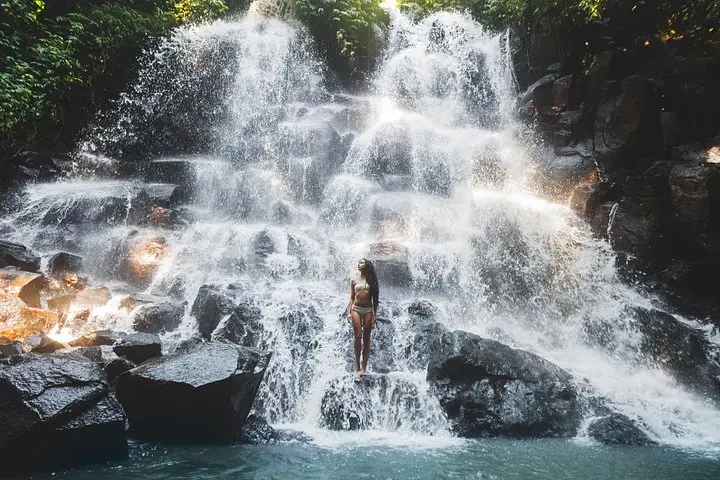
Over three days the tour stitches together Ubud’s most immediate contrasts — high viewpoints looking toward Gunung Batur’s volcanic rim, sacred springs where Balinese purification rituals still fold the island’s past into the present, and hidden waterfalls reached by stepped footpaths through steep jungle gullies.
Geology here is active. Bali rides the collision zone between the Sunda and Australian plates; Batur and its lake are the after‑image of explosive volcanic history. The rivers that cut through the valley have carved narrow canyons and scatter small cascades; those same currents now ferry rafters through class II–III rapids on Day Three.
Culture moves at its own pace. Ubud’s royal palace and market sit as a village core where artisans sell carved masks and silks; nearby traditional compounds show the austere geometry of Balinese house plots and family temples. At Tirta Empul, locals still perform water purification rites — visitors are asked to observe respectfully and follow dress rules (a sarong and sash are usually required).
Practical guide: plan for 3 full days, with several short hikes and stair descents to waterfalls (expect 20–45 minute walks on uneven, often muddy trails with up to ~150m cumulative elevation change). The jungle swing and quad ride are muddy, so leave a change of clothes; white‑water rafting requires basic swimming ability and a willingness to get wet.
Hydration and footwear matter more than fashion here: good trail shoes or sturdy water shoes, a light rain shell for sudden downpours, and a dry bag for electronics. Bring small bills for temple donations, local snacks, and tipping drivers or guides. Early starts avoid mid‑day heat and the busiest windows at major viewpoints. If you want calmer photos, book the sunrise viewpoint over Mount Batur; for waterfalls, late afternoon light softens the cliffs.
Safety and sustainability: the operator provides safety equipment for adventure activities, but weather can close certain experiences; wear reef‑safe sunscreen and pack out any plastic to help preserve these fragile ravines and village waterways.
By the end of Day Three, you’ll have swapped rice‑field panoramas for river spray and temple bells — a compact loop through Ubud’s topography of ritual, recreation, and wild green.
Yes — the operator notes infant seats available, but parents should consider activity intensity and water exposure; rafting and quad bike ages vary by provider so check ahead.
Lunch for each day and required admissions for listed activities are included per the itinerary; small temple donations are not included.
Closed‑toe water shoes or trail runners with good tread are best for slippery stone and muddy approaches.
Basic swimming ability is recommended; life jackets and guides are provided but you should be comfortable in water.
This is a private tour so the route and timing are flexible — request changes when booking or during pickup arrangements.
Full refunds are available if you cancel at least 24 hours before departure; less than 24 hours is non‑refundable.
Hire Bali Driver operates guided outdoor trips and adventures with an emphasis on safety, stewardship, and memorable experiences.
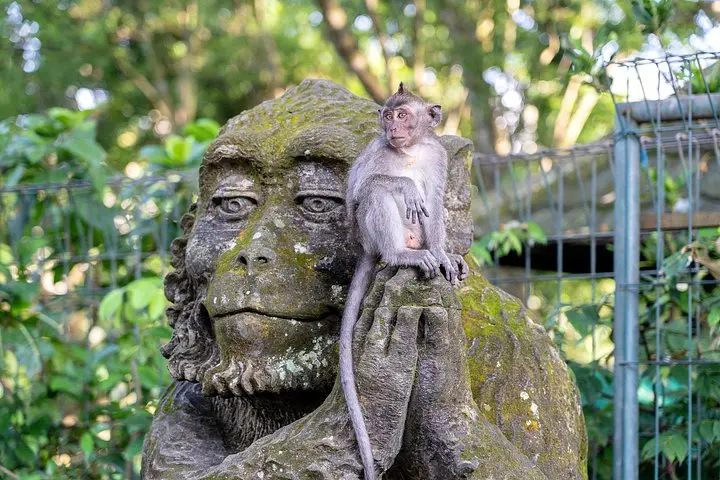
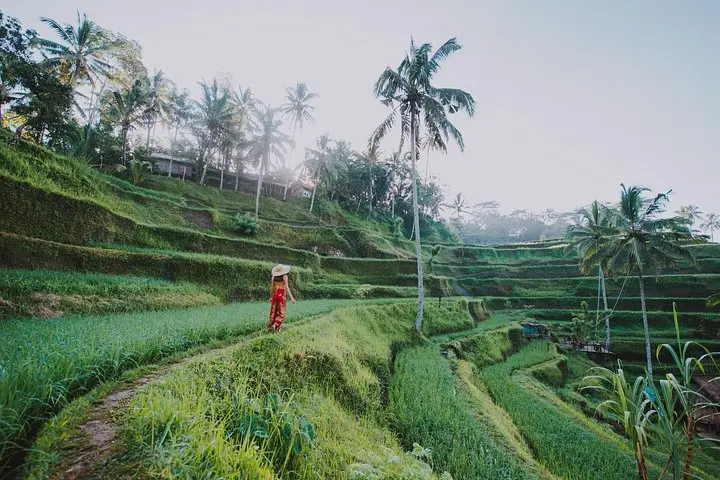

Morning in Ubud begins with a thin mist rising off wet rice terraces and the clatter of a scooter breaking the hush. On Day One you pull away from the town’s narrow streets in an air‑conditioned van, and the landscape opens: palm fronds brushing a sky that feels close enough to touch, the Ayung River daring you with its thunder below, and long‑tailed macaques keeping a careful watch from temple walls.
Morning in Ubud begins with a thin mist rising off wet rice terraces and the clatter of a scooter breaking the hush. On Day One you pull away from the town’s narrow streets in an air‑conditioned van, and the landscape opens: palm fronds brushing a sky that feels close enough to touch, the Ayung River daring you with its thunder below, and long‑tailed macaques keeping a careful watch from temple walls.
Over three days the tour stitches together Ubud’s most immediate contrasts — high viewpoints looking toward Gunung Batur’s volcanic rim, sacred springs where Balinese purification rituals still fold the island’s past into the present, and hidden waterfalls reached by stepped footpaths through steep jungle gullies.
Geology here is active. Bali rides the collision zone between the Sunda and Australian plates; Batur and its lake are the after‑image of explosive volcanic history. The rivers that cut through the valley have carved narrow canyons and scatter small cascades; those same currents now ferry rafters through class II–III rapids on Day Three.
Culture moves at its own pace. Ubud’s royal palace and market sit as a village core where artisans sell carved masks and silks; nearby traditional compounds show the austere geometry of Balinese house plots and family temples. At Tirta Empul, locals still perform water purification rites — visitors are asked to observe respectfully and follow dress rules (a sarong and sash are usually required).
Practical guide: plan for 3 full days, with several short hikes and stair descents to waterfalls (expect 20–45 minute walks on uneven, often muddy trails with up to ~150m cumulative elevation change). The jungle swing and quad ride are muddy, so leave a change of clothes; white‑water rafting requires basic swimming ability and a willingness to get wet.
Hydration and footwear matter more than fashion here: good trail shoes or sturdy water shoes, a light rain shell for sudden downpours, and a dry bag for electronics. Bring small bills for temple donations, local snacks, and tipping drivers or guides. Early starts avoid mid‑day heat and the busiest windows at major viewpoints. If you want calmer photos, book the sunrise viewpoint over Mount Batur; for waterfalls, late afternoon light softens the cliffs.
Safety and sustainability: the operator provides safety equipment for adventure activities, but weather can close certain experiences; wear reef‑safe sunscreen and pack out any plastic to help preserve these fragile ravines and village waterways.
By the end of Day Three, you’ll have swapped rice‑field panoramas for river spray and temple bells — a compact loop through Ubud’s topography of ritual, recreation, and wild green.