THE ADVENTURE COLLECTIVE® · Independent discovery and booking for outdoor travel

A compact 3-day loop from Urumqi that pairs the alpine calm of Heavenly Lake with the red-rock heat of Turpan and the ancient irrigation ingenuity of Karez. Expect scenic drives, short hikes, and deep historical sites.
A compact 3-day loop from Urumqi that pairs the alpine calm of Heavenly Lake with the red-rock heat of Turpan and the ancient irrigation ingenuity of Karez. Expect scenic drives, short hikes, and deep historical sites.
You step out of the car and the air tastes different — sharper, cooler, the Tianshan pressing behind you like a low wall of snow. In the first morning at Heavenly Lake, a twisting shuttle climbs through fir and birch to open water framed by steep ridges; the lake dares you to slow down and notice the way light sits on glacial blue.
Verified experiences and guided adventures in the surrounding area.
Operated by China Silk Road Travel · Urumqi, Xinjiang
You step out of the car and the air tastes different — sharper, cooler, the Tianshan pressing behind you like a low wall of snow. In the first morning at Heavenly Lake, a twisting shuttle climbs through fir and birch to open water framed by steep ridges; the lake dares you to slow down and notice the way light sits on glacial blue.
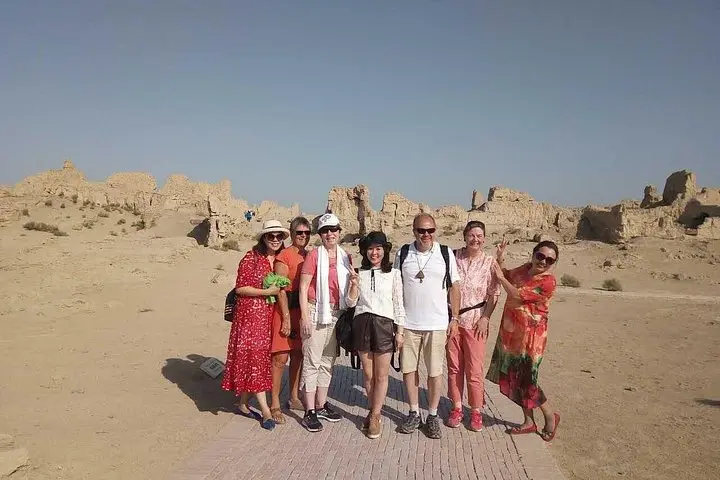
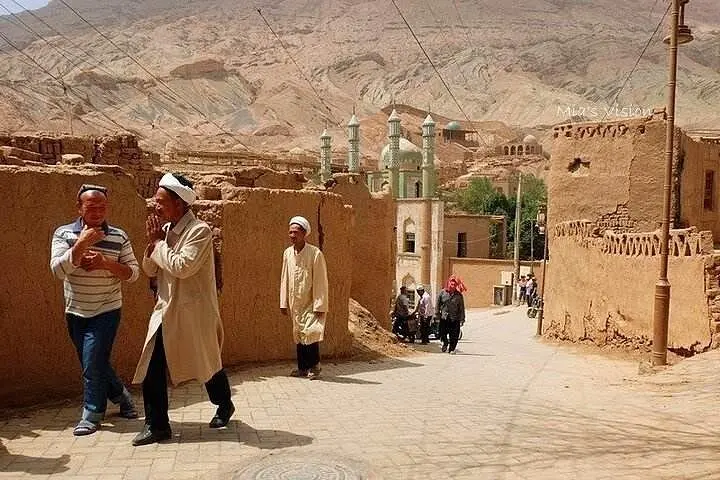
This three-day route threads Silk Road history with stark desert geology. Urumqi is the modern hub; Heavenly Lake (Tianchi) is a product of tectonics and past glaciers on the Tianshan range. Turpan, by contrast, is an inland basin: a hot oasis carved from wind and salt, where the ingenious Karez underground channels brought scarce groundwater to fruit orchards for centuries. Cultural layers here include Uyghur architecture, the minaret of Sugong, the Buddhist murals at Bezeklik, and the cliff city of Jiaohe — 2,300 years of human adaptation to extremes.
Expect short walks around the lake, an optional cable car to Maya Mountain, and mostly vehicle transfers — several long drives between sites (3 hours to Turpan). Trails around grottoes and ruins are uneven, with dust and loose stone.
Practical guidance: dress in layers for mountain mornings and hot desert afternoons, carry cash for bazaars and entry fees, and plan sun protection and refillable water. Bring a camera with a wide-angle option for sweeping cliff-top ruins and a small daypack for hikes. If you have mobility needs, confirm pickup and site accessibility in advance — several stops are accessible but ancient ruins have steps and uneven ground.
Most historical sites and cable car rides are not included by default; the itinerary notes some admissions are not included, so budget for tickets on-site.
Expect roughly 1.5 hours from Urumqi to Heavenly Lake (plus a 40-minute shuttle), and about 3 hours for Urumqi–Turpan transfers; roads are paved but can be winding.
The tour is family-friendly and listed as wheelchair accessible for transport, but some ruins and grottoes have steps and uneven paths — check specific site access beforehand.
Heavenly Lake sits at higher elevation than Urumqi, but altitudes are moderate; most travelers do fine, though those sensitive to altitude should ascend gradually and stay hydrated.
China Silk Road Travel operates guided outdoor trips and adventures with an emphasis on safety, stewardship, and memorable experiences.
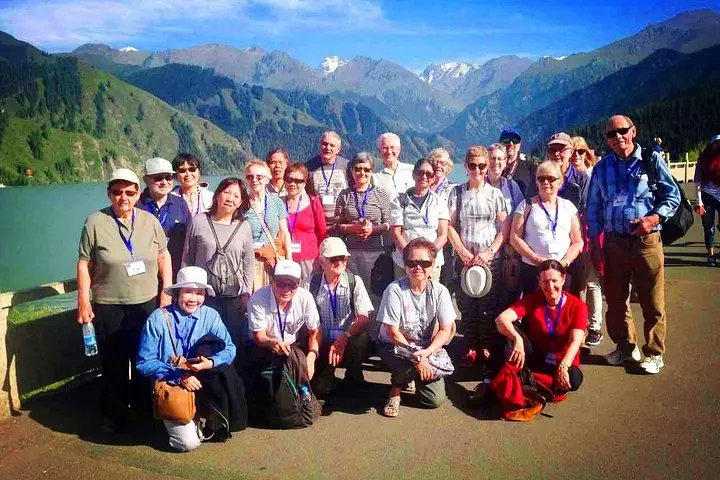
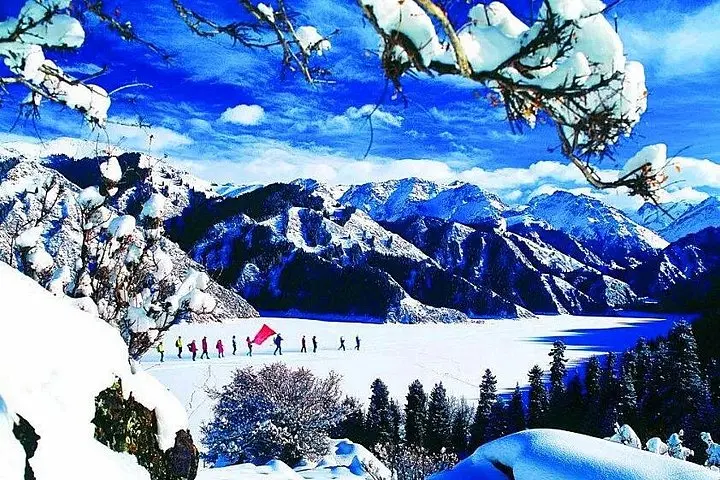
You step out of the car and the air tastes different — sharper, cooler, the Tianshan pressing behind you like a low wall of snow. In the first morning at Heavenly Lake, a twisting shuttle climbs through fir and birch to open water framed by steep ridges; the lake dares you to slow down and notice the way light sits on glacial blue.
You step out of the car and the air tastes different — sharper, cooler, the Tianshan pressing behind you like a low wall of snow. In the first morning at Heavenly Lake, a twisting shuttle climbs through fir and birch to open water framed by steep ridges; the lake dares you to slow down and notice the way light sits on glacial blue.
This three-day route threads Silk Road history with stark desert geology. Urumqi is the modern hub; Heavenly Lake (Tianchi) is a product of tectonics and past glaciers on the Tianshan range. Turpan, by contrast, is an inland basin: a hot oasis carved from wind and salt, where the ingenious Karez underground channels brought scarce groundwater to fruit orchards for centuries. Cultural layers here include Uyghur architecture, the minaret of Sugong, the Buddhist murals at Bezeklik, and the cliff city of Jiaohe — 2,300 years of human adaptation to extremes.
Expect short walks around the lake, an optional cable car to Maya Mountain, and mostly vehicle transfers — several long drives between sites (3 hours to Turpan). Trails around grottoes and ruins are uneven, with dust and loose stone.
Practical guidance: dress in layers for mountain mornings and hot desert afternoons, carry cash for bazaars and entry fees, and plan sun protection and refillable water. Bring a camera with a wide-angle option for sweeping cliff-top ruins and a small daypack for hikes. If you have mobility needs, confirm pickup and site accessibility in advance — several stops are accessible but ancient ruins have steps and uneven ground.