
3-Day Uyuni Salt Flats Tour: Salar de Uyuni, Incahuasi & Laguna Verde
Cross the otherworldly expanse of the Salar de Uyuni on a compact three‑day loop that pairs giant salt plains with flamingo‑studded lagoons, volcanic viewpoints and thermal springs. Expect basic lodgings, long 4×4 drives, and spectacular sunrise and sunset light.
An Adventure In Uyuni.
Cross the otherworldly expanse of the Salar de Uyuni on a compact three‑day loop that pairs giant salt plains with flamingo‑studded lagoons, volcanic viewpoints and thermal springs. Expect basic lodgings, long 4×4 drives, and spectacular sunrise and sunset light.
Read the full experience
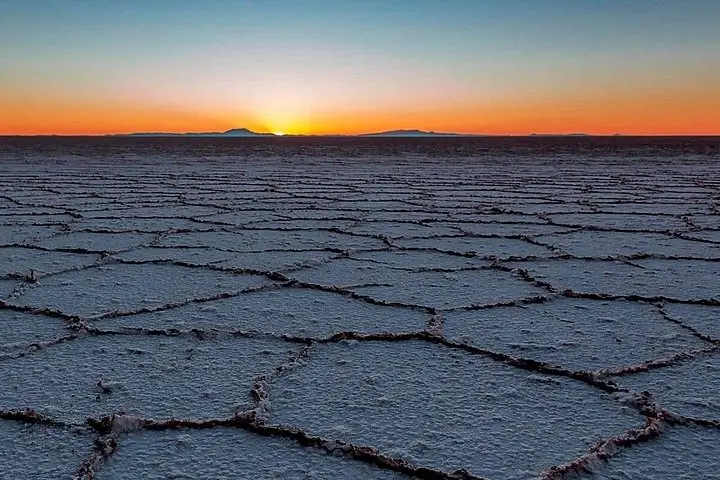
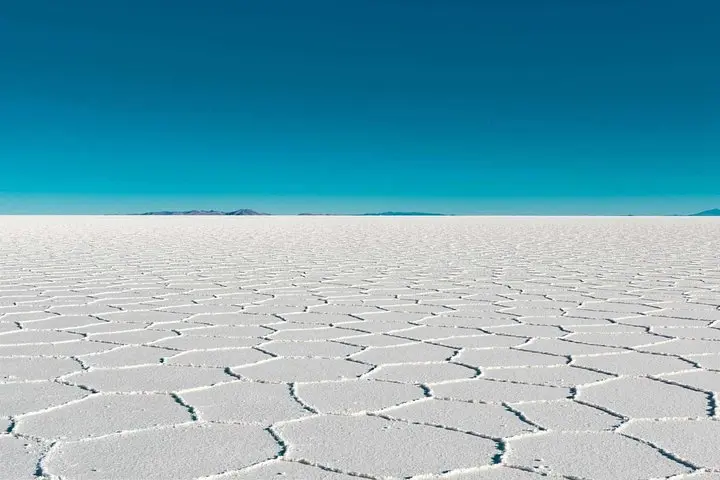
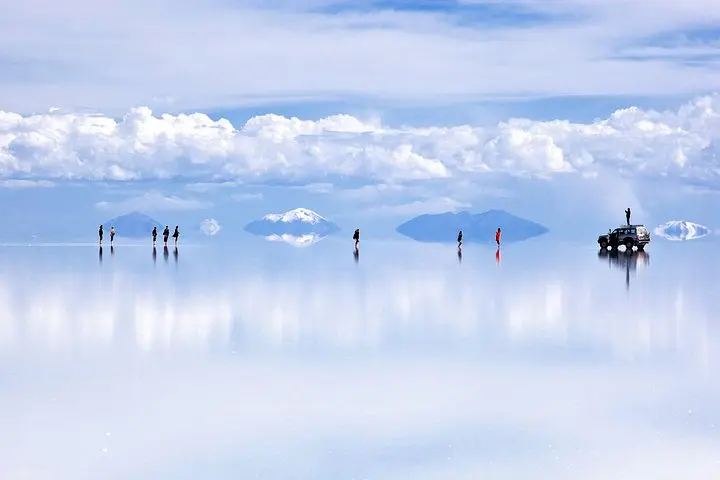
Dawn on the Salar de Uyuni feels like stepping onto a living mirror: a low sun slants across a white plain so broad the horizon seems invented. Your three-day route threads through rusted locomotives at the train cemetery, the craft stalls of Colchani, and the vast, flat salt where perspective tricks make distant cacti and vehicles appear like toys.
Dawn on the Salar de Uyuni feels like stepping onto a living mirror: a low sun slants across a white plain so broad the horizon seems invented. Your three-day route threads through rusted locomotives at the train cemetery, the craft stalls of Colchani, and the vast, flat salt where perspective tricks make distant cacti and vehicles appear like toys.
This loop follows high Andean geology—ancient lacustrine beds now compressed and salt-crusted after millennia of evaporation, backed by volcanic cones like Licancabur. Human history here mixes indigenous salt-harvesting techniques with 19th–20th century mining and the odd relic of rail expansion; small communities such as Colchani still process salt and sell handcrafted goods.
Day two moves into the altiplano’s colored lagoons—shallow basins rich in minerals that support flamingo populations and paint water in rust-red and jade hues. Thermal features near the Chilean frontier remind you this is an active volcanic region: fumaroles, hot springs and mineral-rich sediments shape the landscape and local uses, from therapeutic baths to pastoral grazing.
Practical guide: nights are simple—salt lodges and family hostels—so pack warm layers and a windproof shell. Altitude is the real factor; stay hydrated, pace yourself on short hikes up Incahuasi or viewpoint ridges, and expect rough 4×4 roads with long stretches between services. Best light is early morning and late afternoon; bring sunscreen for the glare off the salt and a good camera with wide and telephoto options.
Frequently asked questions
Many sites exceed 3,500–4,300 m; symptoms vary—rest, hydrate, avoid alcohol, and report severe headaches or breathlessness to the guide.
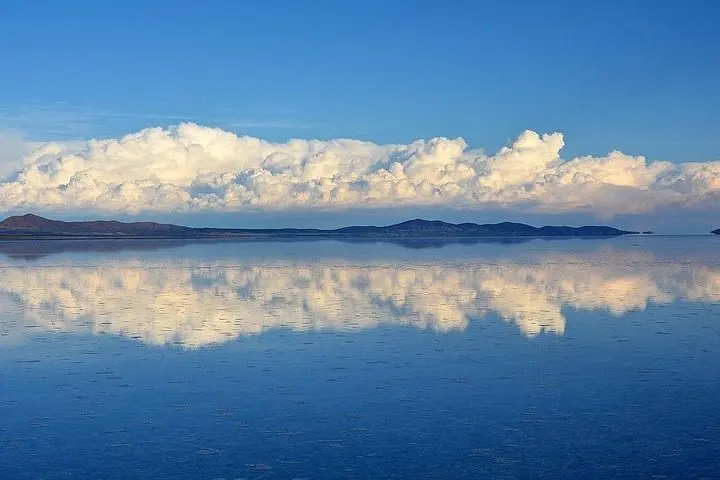
The central salt surface floods in the wet season (Dec–Mar), creating a mirror effect but some routes or Incahuasi may be inaccessible—operators adjust itineraries accordingly.
Accommodations are basic: one night in a salt hotel (simple rooms) and one in a community family lodge with modest facilities and communal meals.
Yes—Polques hot springs are typically 25–32 °C and used for bathing, but check local conditions and bring swimwear and a towel.
About This Experience
Machupicchu Holiday operates guided outdoor trips and adventures with an emphasis on safety, stewardship, and memorable experiences.
Adventure tips
Recommended gear
- Insulating midlayer (fleece or down): Cold mornings and nights on the altiplano demand warm, compressible insulation.
- Sturdy hiking boots: Support and traction for rocky viewpoints, volcanic scree and cactus island trails.
- High-SPF sunscreen & lip balm: Reflection from salt increases UV exposure even on cool days.
- Reusable water bottle with filter or purification tablets: Hydration is critical at altitude; filter options help when refilling from limited water points.
Photos of the experience
Related adventures & guides
Read the full experience
Dawn on the Salar de Uyuni feels like stepping onto a living mirror: a low sun slants across a white plain so broad the horizon seems invented. Your three-day route threads through rusted locomotives at the train cemetery, the craft stalls of Colchani, and the vast, flat salt where perspective tricks make distant cacti and vehicles appear like toys.
Dawn on the Salar de Uyuni feels like stepping onto a living mirror: a low sun slants across a white plain so broad the horizon seems invented. Your three-day route threads through rusted locomotives at the train cemetery, the craft stalls of Colchani, and the vast, flat salt where perspective tricks make distant cacti and vehicles appear like toys.
This loop follows high Andean geology—ancient lacustrine beds now compressed and salt-crusted after millennia of evaporation, backed by volcanic cones like Licancabur. Human history here mixes indigenous salt-harvesting techniques with 19th–20th century mining and the odd relic of rail expansion; small communities such as Colchani still process salt and sell handcrafted goods.
Day two moves into the altiplano’s colored lagoons—shallow basins rich in minerals that support flamingo populations and paint water in rust-red and jade hues. Thermal features near the Chilean frontier remind you this is an active volcanic region: fumaroles, hot springs and mineral-rich sediments shape the landscape and local uses, from therapeutic baths to pastoral grazing.
Practical guide: nights are simple—salt lodges and family hostels—so pack warm layers and a windproof shell. Altitude is the real factor; stay hydrated, pace yourself on short hikes up Incahuasi or viewpoint ridges, and expect rough 4×4 roads with long stretches between services. Best light is early morning and late afternoon; bring sunscreen for the glare off the salt and a good camera with wide and telephoto options.
Make a day of it nearby.
Verified experiences and guided adventures in the surrounding area.