THE ADVENTURE COLLECTIVE® · Independent discovery and booking for outdoor travel

A three-day guided trek into Vale do Pati, starting from Lençóis and sleeping in native homes without electricity. Expect long, steep days, dramatic viewpoints and multiple waterfalls.
A three-day guided trek into Vale do Pati, starting from Lençóis and sleeping in native homes without electricity. Expect long, steep days, dramatic viewpoints and multiple waterfalls.
You set off from Lençóis at first light, the car threading a red-dust road toward Vila do Guiné, then step onto a trail that climbs the Beco—a steep ribbon of rock and cerrado that opens onto the Rampa. From that viewpoint the valley drops away in layers: sheer cliffs, carved plateaus and a quilt of forest that the wind seems to tug at playfully. Rivers below dare you to follow them to plunging cascades.
Verified experiences and guided adventures in the surrounding area.
Operated by Zentur · Lençóis, Bahia
You set off from Lençóis at first light, the car threading a red-dust road toward Vila do Guiné, then step onto a trail that climbs the Beco—a steep ribbon of rock and cerrado that opens onto the Rampa. From that viewpoint the valley drops away in layers: sheer cliffs, carved plateaus and a quilt of forest that the wind seems to tug at playfully. Rivers below dare you to follow them to plunging cascades.
Vale do Pati sits in Chapada Diamantina, a region shaped by ancient quartzite and sandstone plateaus. The area’s human story runs from 19th-century diamond mining to small, resilient farming communities; the trek includes stays in native homes where life follows natural rhythms—no electricity or internet—and meals reflect local produce and recipes.
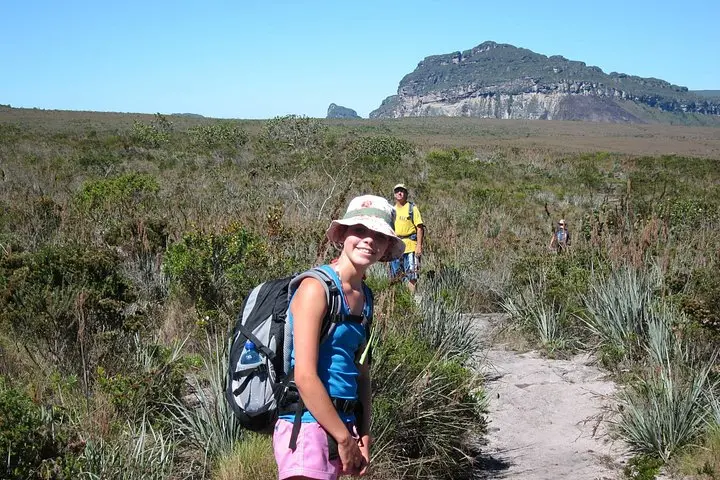
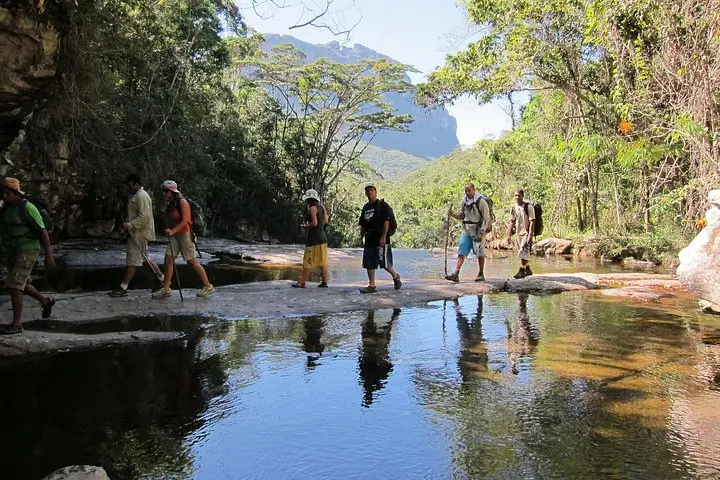
Over three days you’ll cover roughly 62 km of walking distributed across long, often steep days (guides list up to seven hours daily). Key highlights: the Rampa viewpoint, Cachoeira dos Funis, Morro do Castelo panoramas and the high-rim perspective above Cachoeirão, where heavy rains can reveal dozens of falls cascading off the plateau. Expect varied terrain—rock slabs, narrow footpaths, river crossings and steep ascents—and a physical pace that rewards fitness and steady footing.
Practical notes: the tour departs around 7:30 am, includes local guides, meals and homestay accommodation, and covers transport (approx. 170 km round trip by car). Bring quick-drying layers, a reliable rain shell, sturdy boots and at least 2–3 liters of water capacity; respect local customs and practice leave‑no‑trace to keep the valley intact for communities and future trekkers.
Bookings are for two people—if traveling alone contact the operator; they may place you with another group when available.
Yes; breakfasts, lunches and dinners listed in the itinerary are included along with lodging in local homes and basic accident insurance.
The tour requires advanced walking ability—expect up to seven hours per day on steep, uneven trails; not recommended for those with back, heart or pregnancy-related concerns.
No—Vale do Pati homestays are off-grid with no electricity or reliable internet, so plan accordingly.
Zentur operates guided outdoor trips and adventures with an emphasis on safety, stewardship, and memorable experiences.
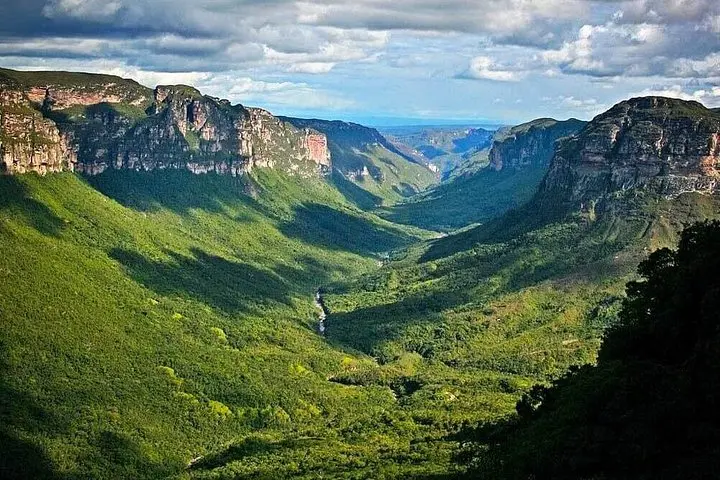

You set off from Lençóis at first light, the car threading a red-dust road toward Vila do Guiné, then step onto a trail that climbs the Beco—a steep ribbon of rock and cerrado that opens onto the Rampa. From that viewpoint the valley drops away in layers: sheer cliffs, carved plateaus and a quilt of forest that the wind seems to tug at playfully. Rivers below dare you to follow them to plunging cascades.
You set off from Lençóis at first light, the car threading a red-dust road toward Vila do Guiné, then step onto a trail that climbs the Beco—a steep ribbon of rock and cerrado that opens onto the Rampa. From that viewpoint the valley drops away in layers: sheer cliffs, carved plateaus and a quilt of forest that the wind seems to tug at playfully. Rivers below dare you to follow them to plunging cascades.
Vale do Pati sits in Chapada Diamantina, a region shaped by ancient quartzite and sandstone plateaus. The area’s human story runs from 19th-century diamond mining to small, resilient farming communities; the trek includes stays in native homes where life follows natural rhythms—no electricity or internet—and meals reflect local produce and recipes.
Over three days you’ll cover roughly 62 km of walking distributed across long, often steep days (guides list up to seven hours daily). Key highlights: the Rampa viewpoint, Cachoeira dos Funis, Morro do Castelo panoramas and the high-rim perspective above Cachoeirão, where heavy rains can reveal dozens of falls cascading off the plateau. Expect varied terrain—rock slabs, narrow footpaths, river crossings and steep ascents—and a physical pace that rewards fitness and steady footing.
Practical notes: the tour departs around 7:30 am, includes local guides, meals and homestay accommodation, and covers transport (approx. 170 km round trip by car). Bring quick-drying layers, a reliable rain shell, sturdy boots and at least 2–3 liters of water capacity; respect local customs and practice leave‑no‑trace to keep the valley intact for communities and future trekkers.