THE ADVENTURE COLLECTIVE® · Independent discovery and booking for outdoor travel

Three days of guided trekking through Vale do Pati deliver quartzite cliffs, cave crossings and native-house stays. Expect long rocky days, river swims and close-up birdlife in one of Chapada Diamantina’s most scenic valleys.
Three days of guided trekking through Vale do Pati deliver quartzite cliffs, cave crossings and native-house stays. Expect long rocky days, river swims and close-up birdlife in one of Chapada Diamantina’s most scenic valleys.
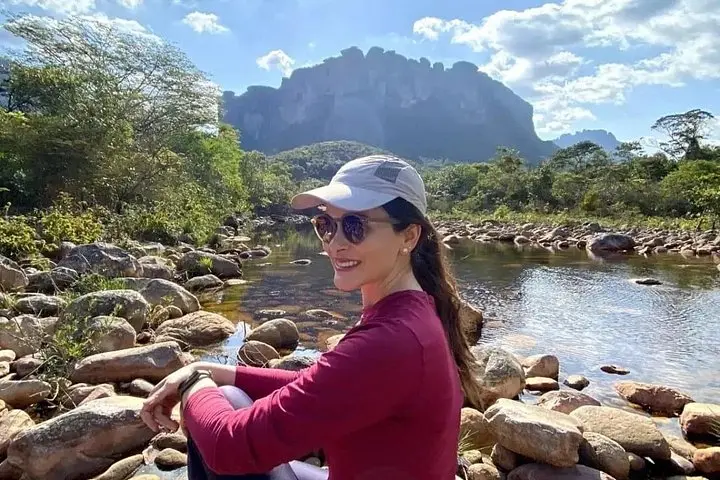
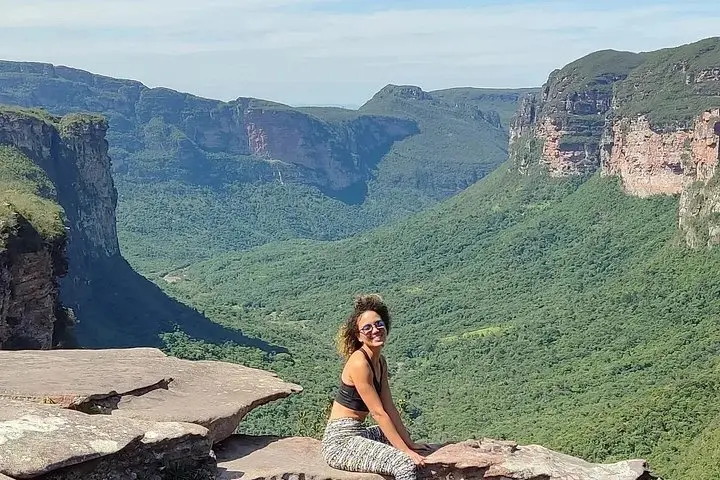
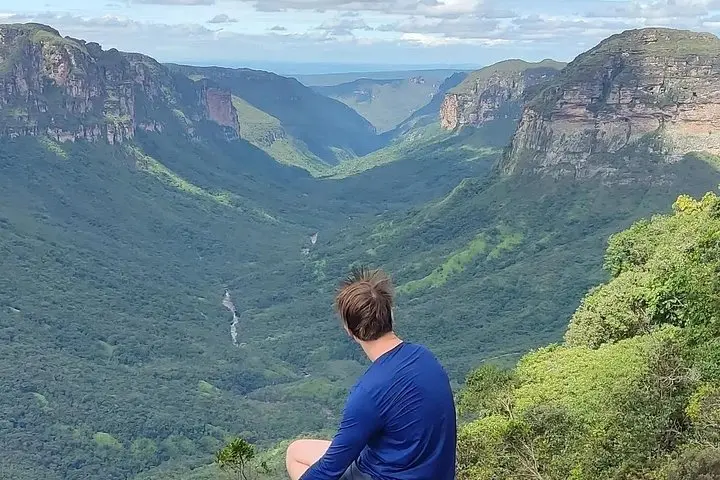
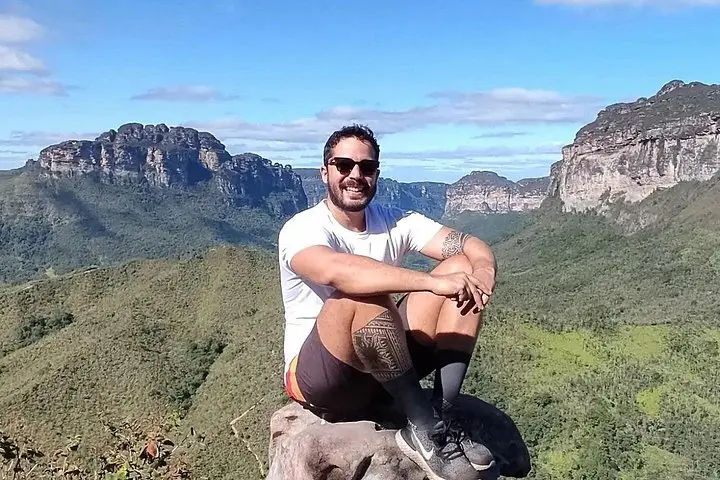
Morning light slices the quartzite walls as the group steps out of an air-conditioned van and into the high, raw air of Vale do Pati. Rivers dare you down narrow channels; plateaus push the eye toward sheer cliffs. The first day passes over undulating Gerais do Vieira, through river pools at Cachoeira dos Cristais and into the Trilha dos Tropeiros, where orchids and insectivorous plants cling to rocky soil.
Verified experiences and guided adventures in the surrounding area.
Operated by Guia tuty na chapada Diamantina · Lençóis, Bahia
Morning light slices the quartzite walls as the group steps out of an air-conditioned van and into the high, raw air of Vale do Pati. Rivers dare you down narrow channels; plateaus push the eye toward sheer cliffs. The first day passes over undulating Gerais do Vieira, through river pools at Cachoeira dos Cristais and into the Trilha dos Tropeiros, where orchids and insectivorous plants cling to rocky soil.
This corner of Chapada Diamantina sits where Atlantic Forest, Cerrado and Caatinga meet. Centuries of diamond prospecting left colonial houses in nearby towns; the valley itself is sculpted by quartzite and ancient erosion that created canyons, caves and sheer observation points like Morro do Castelo (about 1,470 m). Local culture blends smallholder farm life with guiding traditions—two nights are spent in simple native homes run by valley families.
Practically: expect 9–22 km daily on uneven, rocky trails with steep ascents and stream crossings. You’ll cross a quartzite cave to reach the high viewpoint, so a reliable headlamp is essential. Guides handle logistics and most meals (three breakfasts, lunches and dinners are included), but pack light, carry 2–3 liters of water capacity, and bring blister-ready footwear.
Timing matters—dry season trails are firmer and views clearer; rainy months make river baths tempting but trails slick. Respect fragile rupestrian fields by staying on routes, carry out waste, and move quietly—raptors and hummingbirds are part of the prize. With steady legs and common-sense gear, this is a three-day immersion in Chapada’s geology, waterfalls and local hospitality.
Most groups depart from Lençóis by van to the Guinea trailhead each morning and return to the same town at the tour’s end.
You should have a moderate to high fitness base—daily walking includes short steep climbs and one long 22 km day; training with loaded hikes is recommended.
Yes — three breakfasts, lunches and dinners are included; lodging is two nights in simple native homes or local inns as listed in the itinerary.
Not recommended for travelers with spinal or serious cardiovascular issues; guided groups usually require a minimum level of physical fitness and are not ideal for very young children.
Guia tuty na chapada Diamantina operates guided outdoor trips and adventures with an emphasis on safety, stewardship, and memorable experiences.
Morning light slices the quartzite walls as the group steps out of an air-conditioned van and into the high, raw air of Vale do Pati. Rivers dare you down narrow channels; plateaus push the eye toward sheer cliffs. The first day passes over undulating Gerais do Vieira, through river pools at Cachoeira dos Cristais and into the Trilha dos Tropeiros, where orchids and insectivorous plants cling to rocky soil.
Morning light slices the quartzite walls as the group steps out of an air-conditioned van and into the high, raw air of Vale do Pati. Rivers dare you down narrow channels; plateaus push the eye toward sheer cliffs. The first day passes over undulating Gerais do Vieira, through river pools at Cachoeira dos Cristais and into the Trilha dos Tropeiros, where orchids and insectivorous plants cling to rocky soil.
This corner of Chapada Diamantina sits where Atlantic Forest, Cerrado and Caatinga meet. Centuries of diamond prospecting left colonial houses in nearby towns; the valley itself is sculpted by quartzite and ancient erosion that created canyons, caves and sheer observation points like Morro do Castelo (about 1,470 m). Local culture blends smallholder farm life with guiding traditions—two nights are spent in simple native homes run by valley families.
Practically: expect 9–22 km daily on uneven, rocky trails with steep ascents and stream crossings. You’ll cross a quartzite cave to reach the high viewpoint, so a reliable headlamp is essential. Guides handle logistics and most meals (three breakfasts, lunches and dinners are included), but pack light, carry 2–3 liters of water capacity, and bring blister-ready footwear.
Timing matters—dry season trails are firmer and views clearer; rainy months make river baths tempting but trails slick. Respect fragile rupestrian fields by staying on routes, carry out waste, and move quietly—raptors and hummingbirds are part of the prize. With steady legs and common-sense gear, this is a three-day immersion in Chapada’s geology, waterfalls and local hospitality.