THE ADVENTURE COLLECTIVE® · Independent discovery and booking for outdoor travel

An intensive three-day VIP loop through Angkor’s highlights — sunrise at Angkor Wat, the smiling faces of Bayon, root-wrapped Ta Prohm, and a floating village on Tonle Sap. Practical, guided, and timed to beat the worst heat and biggest crowds.
An intensive three-day VIP loop through Angkor’s highlights — sunrise at Angkor Wat, the smiling faces of Bayon, root-wrapped Ta Prohm, and a floating village on Tonle Sap. Practical, guided, and timed to beat the worst heat and biggest crowds.
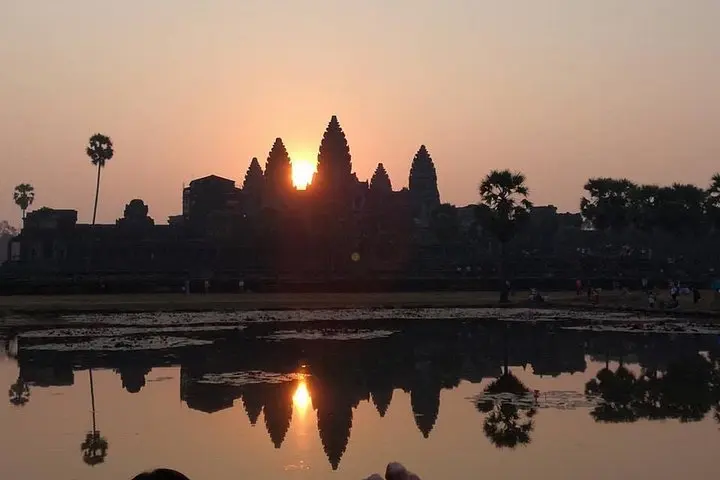
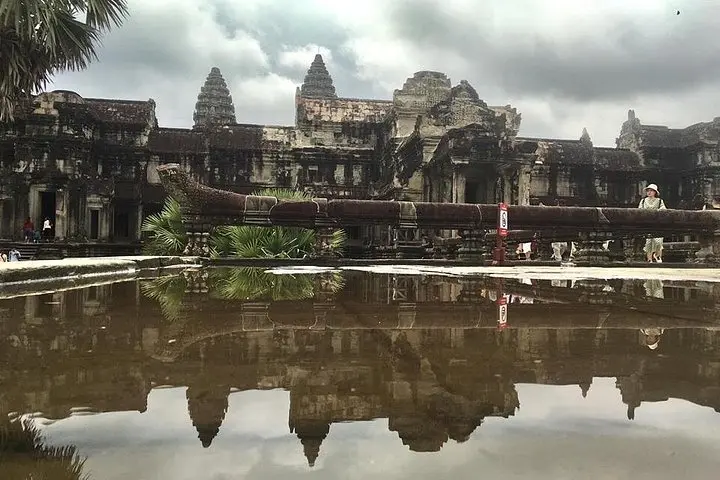
You start before dawn, the car cutting through humid Siem Reap air, and the silhouette of Angkor Wat resolves as the sky blushes behind its five towers. The temple’s reflection trembles in the moat while guides usher small, expectant groups across the causeway; the stones smell faintly of moss and diesel, and the first light seems to push the bas-reliefs into sharp relief.
Verified experiences and guided adventures in the surrounding area.
Operated by Angkor Boutique Tours · Siem Reap, Siem Reap Province
You start before dawn, the car cutting through humid Siem Reap air, and the silhouette of Angkor Wat resolves as the sky blushes behind its five towers. The temple’s reflection trembles in the moat while guides usher small, expectant groups across the causeway; the stones smell faintly of moss and diesel, and the first light seems to push the bas-reliefs into sharp relief.
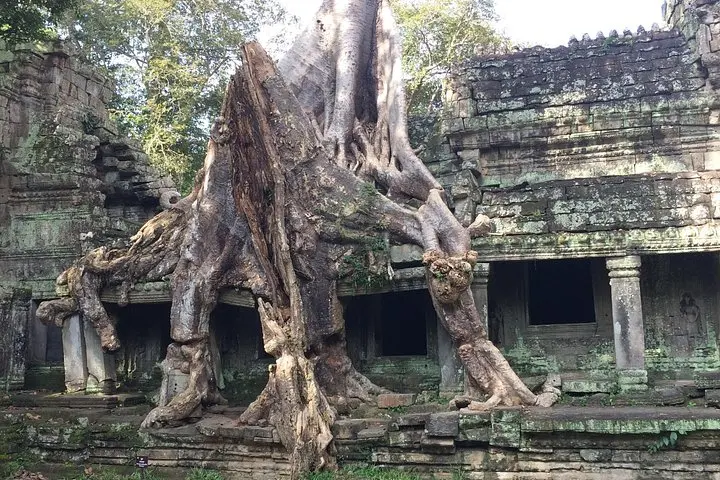
Across three days you move from the cosmic layout of Angkor Wat to the carved faces of Bayon in Angkor Thom, the root-choked corridors of Ta Prohm, and the quieter sandstone carvings at Banteay Srei. Geologically the complex sits on low-lying floodplain and sandstone quarried nearby; centuries of tropical weather and vegetation have eased some blocks into dreamlike ruin. Culturally, these monuments mark the Khmer Empire’s apex (9th–15th centuries) and remain active places of reverence—dress and behavior carry meaning here.
Practical guidance: this VIP loop covers long days of walking on uneven stone, steep temple stairways and occasional muddy paths. Wear sturdy, grippy shoes and bring a lightweight long-sleeve and sarong for temple entry; knees and shoulders must be covered. Hydrate between sites—cold bottled water is typically provided in private tours—but carry a reusable bottle if you prefer.
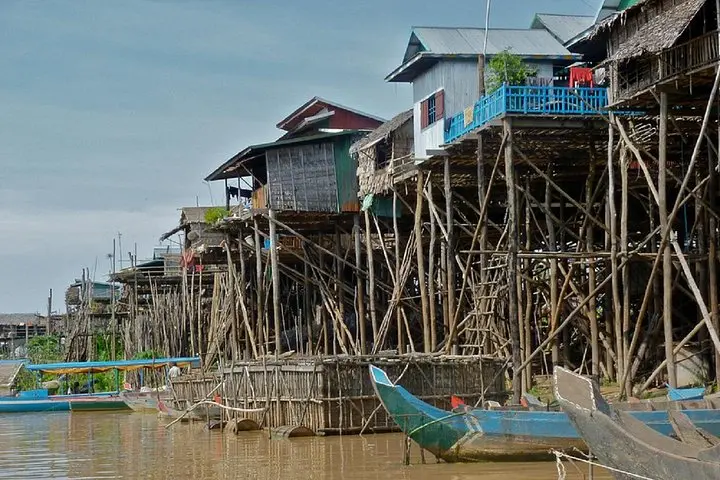
Plan sunrise at Angkor Wat for the smallest crowds, and schedule Banteay Srei and Beng Mealea on cooler mornings. Expect brief transfers between sites (30–60 minutes), respectful interactions with locals in floating villages, and a steady rhythm of exploration—temples daring you to slow down and read the stone.
Yes — entrance to the Angkor Archaeological Park requires a paid pass (1-, 3-, or 7-day); private tours typically include the cost of the pass in the tour price.
This VIP program notes airport pickup and drop-off are provided—confirm your flight details with the operator ahead of time for seamless transfers.
The tour is family-friendly, but many temples have steep steps and uneven surfaces; travelers with serious mobility limitations may find some sites inaccessible.
Tipping is customary for good service in Cambodia; consider a small tip at the end of the tour for guides and drivers based on satisfaction and group size.
Angkor Boutique Tours operates guided outdoor trips and adventures with an emphasis on safety, stewardship, and memorable experiences.
You start before dawn, the car cutting through humid Siem Reap air, and the silhouette of Angkor Wat resolves as the sky blushes behind its five towers. The temple’s reflection trembles in the moat while guides usher small, expectant groups across the causeway; the stones smell faintly of moss and diesel, and the first light seems to push the bas-reliefs into sharp relief.
You start before dawn, the car cutting through humid Siem Reap air, and the silhouette of Angkor Wat resolves as the sky blushes behind its five towers. The temple’s reflection trembles in the moat while guides usher small, expectant groups across the causeway; the stones smell faintly of moss and diesel, and the first light seems to push the bas-reliefs into sharp relief.
Across three days you move from the cosmic layout of Angkor Wat to the carved faces of Bayon in Angkor Thom, the root-choked corridors of Ta Prohm, and the quieter sandstone carvings at Banteay Srei. Geologically the complex sits on low-lying floodplain and sandstone quarried nearby; centuries of tropical weather and vegetation have eased some blocks into dreamlike ruin. Culturally, these monuments mark the Khmer Empire’s apex (9th–15th centuries) and remain active places of reverence—dress and behavior carry meaning here.
Practical guidance: this VIP loop covers long days of walking on uneven stone, steep temple stairways and occasional muddy paths. Wear sturdy, grippy shoes and bring a lightweight long-sleeve and sarong for temple entry; knees and shoulders must be covered. Hydrate between sites—cold bottled water is typically provided in private tours—but carry a reusable bottle if you prefer.
Plan sunrise at Angkor Wat for the smallest crowds, and schedule Banteay Srei and Beng Mealea on cooler mornings. Expect brief transfers between sites (30–60 minutes), respectful interactions with locals in floating villages, and a steady rhythm of exploration—temples daring you to slow down and read the stone.