THE ADVENTURE COLLECTIVE® · Independent discovery and booking for outdoor travel

A three-day independent coach tour from Wellington to Auckland that pairs Rotorua’s geothermal theatre and a living Māori village with a guided trip into Waitomo’s glowworm caves. Ideal for travelers wanting cultural depth and natural spectacle without heavy hiking.
A three-day independent coach tour from Wellington to Auckland that pairs Rotorua’s geothermal theatre and a living Māori village with a guided trip into Waitomo’s glowworm caves. Ideal for travelers wanting cultural depth and natural spectacle without heavy hiking.
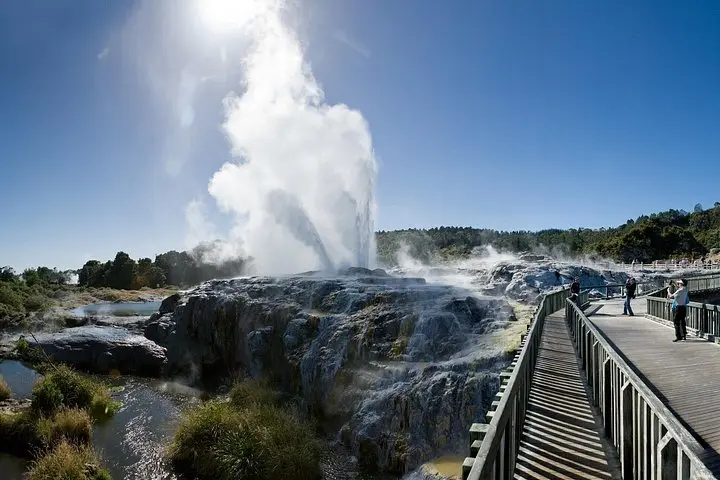
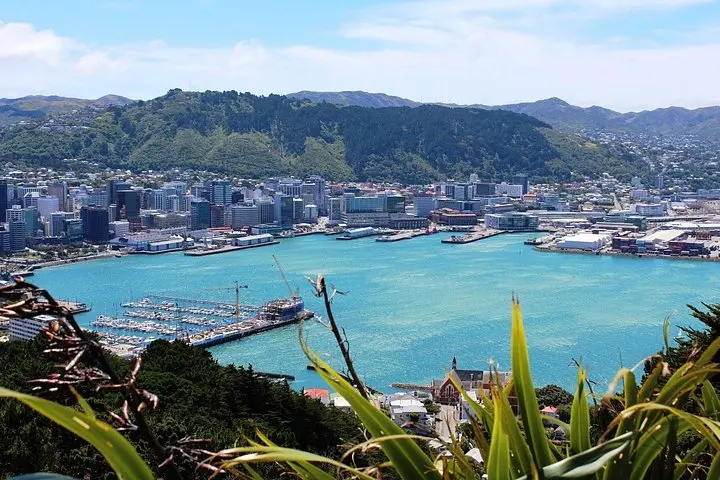
The coach eases out of Wellington at dawn and the coastline shrinks behind you — surf-cut cliffs give way to the broad Central Plateau, and by afternoon steam plumes rise above Rotorua’s skyline, fragrant with sulfur and alive with rumbling geothermal vents.
Verified experiences and guided adventures in the surrounding area.
Operated by Leisure Tours · Rotorua, Bay of Plenty
The coach eases out of Wellington at dawn and the coastline shrinks behind you — surf-cut cliffs give way to the broad Central Plateau, and by afternoon steam plumes rise above Rotorua’s skyline, fragrant with sulfur and alive with rumbling geothermal vents.
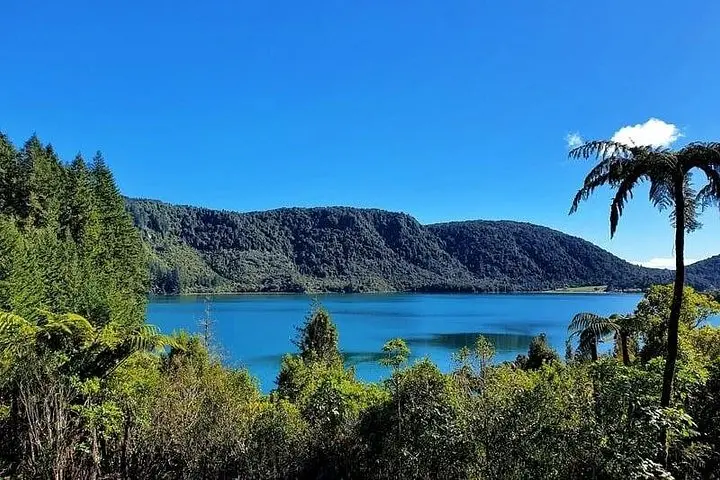
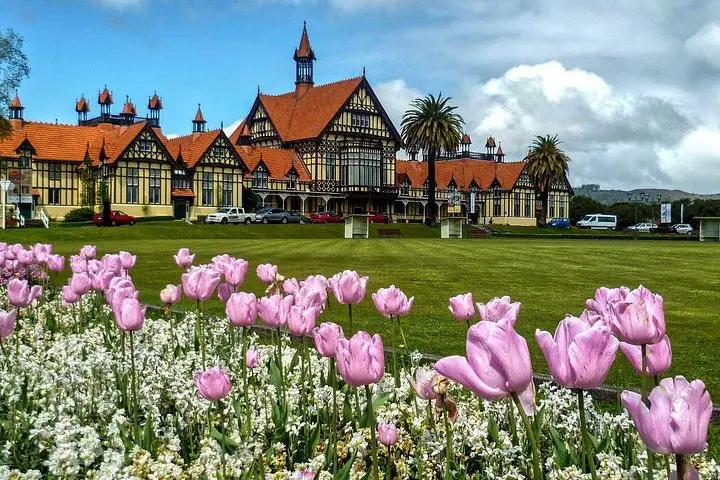
Across three days you move from urban harbour to volcanic heartland and on to subterranean light shows. Geologically the route threads along the Taupo Volcanic Zone; Tongariro’s snow-capped peaks punctuate the horizon as you cross the plateau. Culturally, Rotorua is Te Arawa country: Whakarewarewa the Living Māori Village offers a guided look at iwi connections to thermal features and a practiced cultural performance that explains the relationship between people, land and fire. South-west, the Waitomo Caves reveal a different hidden world — glowworms (Arachnocampa luminosa) illuminate limestone chambers in a fragile, ancient ecosystem.
Practical guide: expect roughly 7 hours’ coach time from Wellington to Rotorua (with stops), about 2 hours Rotorua–Waitomo, and ~2.5 hours Waitomo–Auckland. Walking on boardwalks, village paths and cave steps is required; surfaces can be wet and uneven. Two nights’ 4/4.5-star accommodation in Rotorua is included, as are guided tours at Whakarewarewa and Waitomo. Bring a light rain jacket, sturdy walking shoes, a reusable water bottle and layered clothing for alpine-changes in temperature. Cameras are welcome but cave photography is restricted — follow guides’ instructions to protect the glowworm colonies. Morning departures and weekday travel reduce crowds; respect cultural protocols at Māori sites and keep to marked paths to protect geothermal features.
Expect about 6–8 hours depending on traffic and stops; the itinerary includes a comfort stop at Taupo.
Yes — tours are family-friendly but infants must sit on laps; cave pathways include steps and low-light conditions, so supervise young children closely.
Many parts are wheelchair accessible and transportation is listed as accessible, but some sites (cave interiors and uneven geothermal areas) may have limited access — check with the operator for specific needs.
Photography is generally allowed at Whakarewarewa with respect for performers; glowworm caves restrict flash and sometimes tripods — follow guide instructions to protect the colony.
Leisure Tours operates guided outdoor trips and adventures with an emphasis on safety, stewardship, and memorable experiences.
The coach eases out of Wellington at dawn and the coastline shrinks behind you — surf-cut cliffs give way to the broad Central Plateau, and by afternoon steam plumes rise above Rotorua’s skyline, fragrant with sulfur and alive with rumbling geothermal vents.
The coach eases out of Wellington at dawn and the coastline shrinks behind you — surf-cut cliffs give way to the broad Central Plateau, and by afternoon steam plumes rise above Rotorua’s skyline, fragrant with sulfur and alive with rumbling geothermal vents.
Across three days you move from urban harbour to volcanic heartland and on to subterranean light shows. Geologically the route threads along the Taupo Volcanic Zone; Tongariro’s snow-capped peaks punctuate the horizon as you cross the plateau. Culturally, Rotorua is Te Arawa country: Whakarewarewa the Living Māori Village offers a guided look at iwi connections to thermal features and a practiced cultural performance that explains the relationship between people, land and fire. South-west, the Waitomo Caves reveal a different hidden world — glowworms (Arachnocampa luminosa) illuminate limestone chambers in a fragile, ancient ecosystem.
Practical guide: expect roughly 7 hours’ coach time from Wellington to Rotorua (with stops), about 2 hours Rotorua–Waitomo, and ~2.5 hours Waitomo–Auckland. Walking on boardwalks, village paths and cave steps is required; surfaces can be wet and uneven. Two nights’ 4/4.5-star accommodation in Rotorua is included, as are guided tours at Whakarewarewa and Waitomo. Bring a light rain jacket, sturdy walking shoes, a reusable water bottle and layered clothing for alpine-changes in temperature. Cameras are welcome but cave photography is restricted — follow guides’ instructions to protect the glowworm colonies. Morning departures and weekday travel reduce crowds; respect cultural protocols at Māori sites and keep to marked paths to protect geothermal features.