THE ADVENTURE COLLECTIVE® · Independent discovery and booking for outdoor travel

Spend three days tracing the Icefields Parkway’s winter highlights: Bow and Peyto lakes, Lake Louise, Emerald Lake, Natural Bridge and Marble Canyon. This guided winter tour pairs short, accessible walks with dramatic alpine panoramas and practical logistics for cold-weather travel.
Spend three days tracing the Icefields Parkway’s winter highlights: Bow and Peyto lakes, Lake Louise, Emerald Lake, Natural Bridge and Marble Canyon. This guided winter tour pairs short, accessible walks with dramatic alpine panoramas and practical logistics for cold-weather travel.
A cold wind carves the skyline as the coach climbs the Icefields Parkway, windows frosting at the edges while jagged ridgelines puncture the pale sky. You step from the vehicle into the hush of Bow Lake—turquoise ice edged in snow—then move on to Peyto Lake’s lookout where the valley opens like a folded map and the frozen surface reflects the overhead light.
Verified experiences and guided adventures in the surrounding area.
Operated by Westar Travel Ltd. · Banff, Alberta
A cold wind carves the skyline as the coach climbs the Icefields Parkway, windows frosting at the edges while jagged ridgelines puncture the pale sky. You step from the vehicle into the hush of Bow Lake—turquoise ice edged in snow—then move on to Peyto Lake’s lookout where the valley opens like a folded map and the frozen surface reflects the overhead light.
These peaks are young by geological standards: uplifted and sculpted by Pleistocene glaciers that fed the Bow and Columbia systems. The Canadian Pacific Railway and early mountaineers shaped human access here; Banff’s townsite grew from a 19th-century mineral springs discovery into a gateway for wilderness tourism. Yoho’s Natural Bridge and Marble Canyon reveal limestone and shale carved by rushing water—nature working the counterpoint to glaciation.
Culturally the region sits on Treaty 7 territory; Indigenous people have long-standing connections to the mountains and water routes. Wildlife—elk cruising valley bottoms, coyotes patrolling snowfields—remind you this is living country.
Practical guidance: the three-day route covers roughly 400–500 km of highway driving with short winter walks (many viewpoints reached within 10–20 minutes, Peyto lookout involves a 15–30 minute packed-snow stroll). Elevations range from ~1,380 m in Banff to Bow Summit at ~2,080 m. Expect icy trail surfaces—microspikes are standard—and winter temperatures commonly fall between −10°C to −25°C. Dress in insulating layers, bring waterproof footwear, and plan for limited daylight and winter road conditions. Photographic windows are best at low-angle morning or late-afternoon light. The trip blends scenic driving with easy, high-impact stops—ideal for travelers who want dramatic alpine vistas without technical mountaineering.
Yes—the tour includes admission for Parks Canada sites listed in the itinerary, and the operator covers those fees as part of the package.
Winter temperatures commonly range from −10°C to −25°C; wear insulating layers, a windproof shell, warm boots, hat and gloves, and bring microspikes for icy walks.
No—most stops involve short, easy walks or viewpoints (10–30 minutes) on packed snow; Marble Canyon has a light, accessible loop on boardwalks and bridges.
Yes—Banff Gondola admission is listed among inclusions for the tour, though schedule or availability may vary by date.
Westar Travel Ltd. operates guided outdoor trips and adventures with an emphasis on safety, stewardship, and memorable experiences.
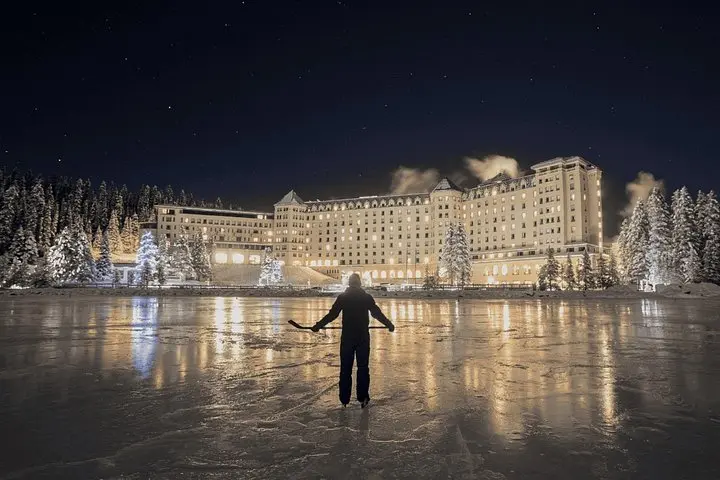
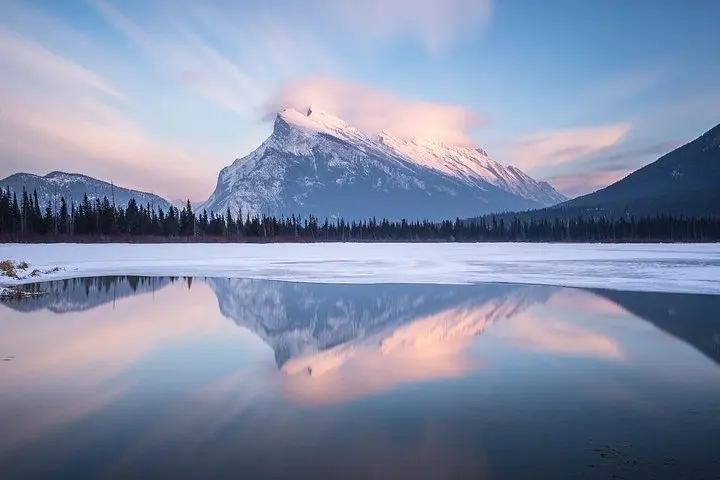
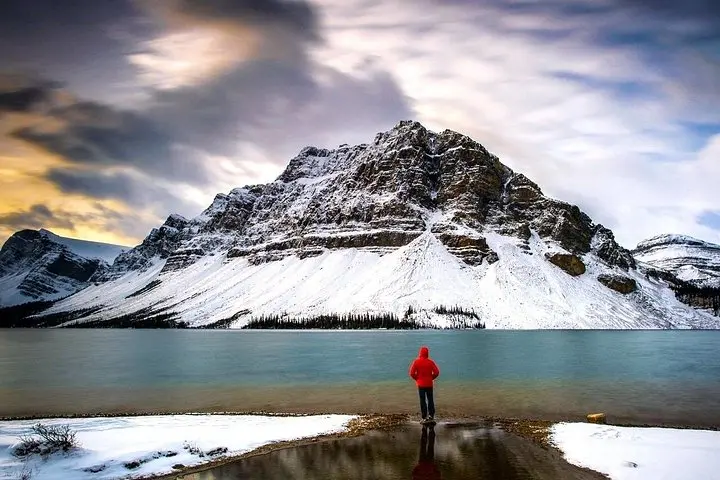
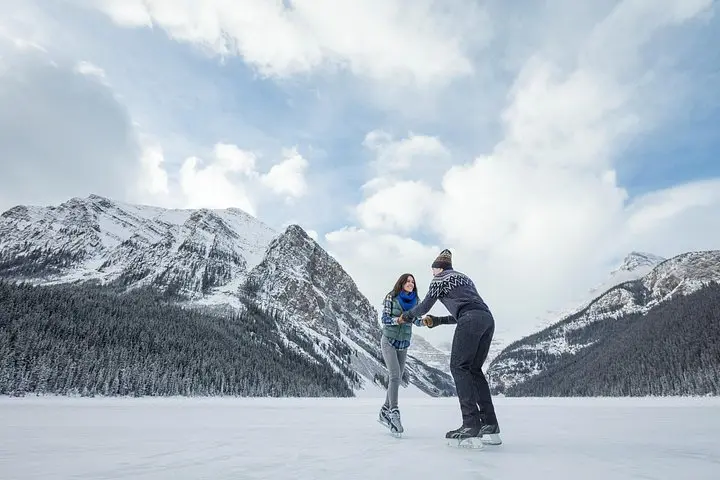
A cold wind carves the skyline as the coach climbs the Icefields Parkway, windows frosting at the edges while jagged ridgelines puncture the pale sky. You step from the vehicle into the hush of Bow Lake—turquoise ice edged in snow—then move on to Peyto Lake’s lookout where the valley opens like a folded map and the frozen surface reflects the overhead light.
A cold wind carves the skyline as the coach climbs the Icefields Parkway, windows frosting at the edges while jagged ridgelines puncture the pale sky. You step from the vehicle into the hush of Bow Lake—turquoise ice edged in snow—then move on to Peyto Lake’s lookout where the valley opens like a folded map and the frozen surface reflects the overhead light.
These peaks are young by geological standards: uplifted and sculpted by Pleistocene glaciers that fed the Bow and Columbia systems. The Canadian Pacific Railway and early mountaineers shaped human access here; Banff’s townsite grew from a 19th-century mineral springs discovery into a gateway for wilderness tourism. Yoho’s Natural Bridge and Marble Canyon reveal limestone and shale carved by rushing water—nature working the counterpoint to glaciation.
Culturally the region sits on Treaty 7 territory; Indigenous people have long-standing connections to the mountains and water routes. Wildlife—elk cruising valley bottoms, coyotes patrolling snowfields—remind you this is living country.
Practical guidance: the three-day route covers roughly 400–500 km of highway driving with short winter walks (many viewpoints reached within 10–20 minutes, Peyto lookout involves a 15–30 minute packed-snow stroll). Elevations range from ~1,380 m in Banff to Bow Summit at ~2,080 m. Expect icy trail surfaces—microspikes are standard—and winter temperatures commonly fall between −10°C to −25°C. Dress in insulating layers, bring waterproof footwear, and plan for limited daylight and winter road conditions. Photographic windows are best at low-angle morning or late-afternoon light. The trip blends scenic driving with easy, high-impact stops—ideal for travelers who want dramatic alpine vistas without technical mountaineering.