THE ADVENTURE COLLECTIVE® · Independent discovery and booking for outdoor travel

Ride camels into Erg Chebbi, sleep in a private desert bivouac, and trace ancient caravan routes over three days from Marrakech. This compact itinerary mixes High Atlas passes, kasbah visits, and unforgettable sunrise over the Merzouga dunes.
Ride camels into Erg Chebbi, sleep in a private desert bivouac, and trace ancient caravan routes over three days from Marrakech. This compact itinerary mixes High Atlas passes, kasbah visits, and unforgettable sunrise over the Merzouga dunes.
You arrive as the sun thins to a knife-edge and the dunes begin to change color—amber sliding to orange, then deep rose. Camels line up like patient boats; the lead camel exhales sand-scented air and the caravan eases into the slope. Over three days you cross a landscape shaped by wind and time, sleeping under a sky that refuses to hide its stars.
Verified experiences and guided adventures in the surrounding area.
Operated by Sahara Secrets Tours · Merzouga, Drâa-Tafilalet
You arrive as the sun thins to a knife-edge and the dunes begin to change color—amber sliding to orange, then deep rose. Camels line up like patient boats; the lead camel exhales sand-scented air and the caravan eases into the slope. Over three days you cross a landscape shaped by wind and time, sleeping under a sky that refuses to hide its stars.
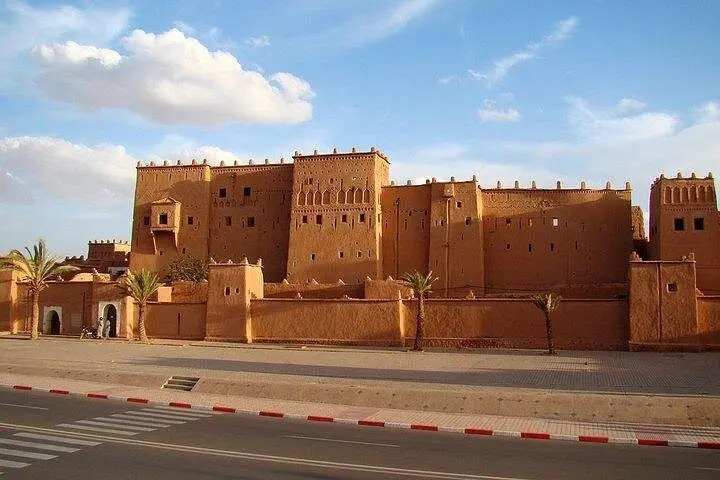
This route threads classic southern Moroccan highlights: the High Atlas via the Tizi n’Tichka pass, the kasbahs of Aït Ben Haddou and Ouarzazate, the river-cut Todra Gorge, and finally the Erg Chebbi dunes outside Merzouga. Geologically, the dunes are wind-built crescents of quartz and mica blown from ancient riverbeds; the Todra and Dades gorges reveal layered limestone folded by tectonic uplift. Culturally, the journey follows old caravan corridors and Berber settlements where rosewater, argan, and tent-making remain local crafts.
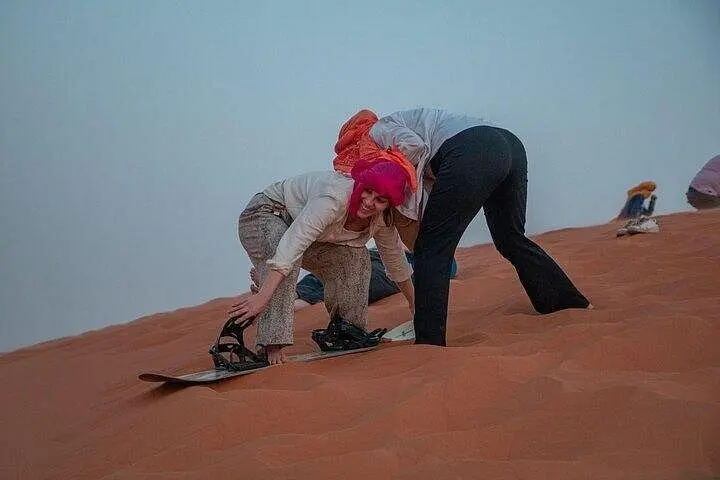
Expect varied terrain: paved mountain passes, palm-lined oases, narrow gorge trails, and soft sand where you’ll mount camels for sunset and sunrise treks. Nights in a desert bivouac are cool—bring warm layers—and daytime can be intensely hot in summer. Practical tips: stagger activity for acclimatization, carry 3+ liters of water per day, and secure luggage in the support vehicle if you prefer not to ride it all the way.
This is an accessible multi-day adventure that balances cultural stops and low-impact trekking. With basic mobility and an openness to early mornings, travelers will return with wide views, sharp light, and a clear feel for Morocco’s desert edge.
Camel rides are low-impact but require basic mobility to mount and dismount; camp is comfortable with private-tent options so heavy exertion is minimal.
Yes—two dinners and two breakfasts plus an overnight in a guesthouse and a private tented bivouac are included per the itinerary.
Spring (March–May) and fall (September–October) offer milder temperatures and more comfortable daytime conditions; summer is hot and winter nights can be chilly.
Yes—this is designed for women travelers and operates as a private, female-focused departure with local guides and campsite privacy.
Sahara Secrets Tours operates guided outdoor trips and adventures with an emphasis on safety, stewardship, and memorable experiences.
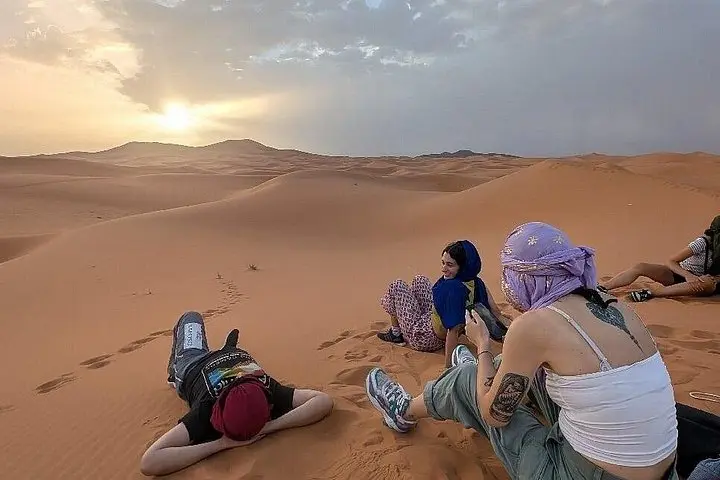
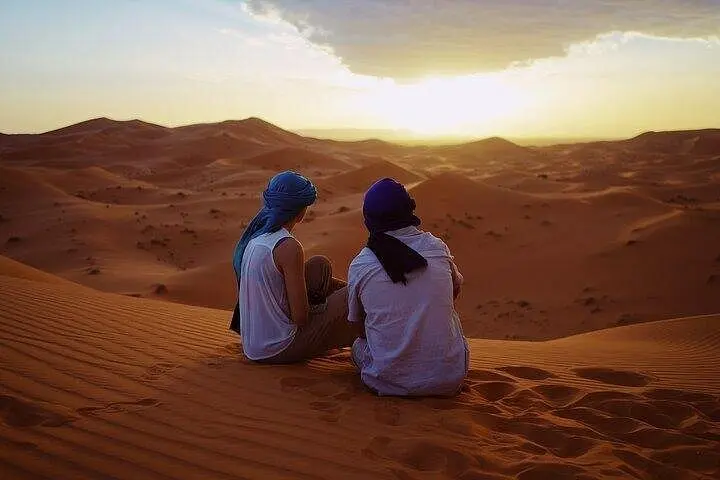
You arrive as the sun thins to a knife-edge and the dunes begin to change color—amber sliding to orange, then deep rose. Camels line up like patient boats; the lead camel exhales sand-scented air and the caravan eases into the slope. Over three days you cross a landscape shaped by wind and time, sleeping under a sky that refuses to hide its stars.
You arrive as the sun thins to a knife-edge and the dunes begin to change color—amber sliding to orange, then deep rose. Camels line up like patient boats; the lead camel exhales sand-scented air and the caravan eases into the slope. Over three days you cross a landscape shaped by wind and time, sleeping under a sky that refuses to hide its stars.
This route threads classic southern Moroccan highlights: the High Atlas via the Tizi n’Tichka pass, the kasbahs of Aït Ben Haddou and Ouarzazate, the river-cut Todra Gorge, and finally the Erg Chebbi dunes outside Merzouga. Geologically, the dunes are wind-built crescents of quartz and mica blown from ancient riverbeds; the Todra and Dades gorges reveal layered limestone folded by tectonic uplift. Culturally, the journey follows old caravan corridors and Berber settlements where rosewater, argan, and tent-making remain local crafts.
Expect varied terrain: paved mountain passes, palm-lined oases, narrow gorge trails, and soft sand where you’ll mount camels for sunset and sunrise treks. Nights in a desert bivouac are cool—bring warm layers—and daytime can be intensely hot in summer. Practical tips: stagger activity for acclimatization, carry 3+ liters of water per day, and secure luggage in the support vehicle if you prefer not to ride it all the way.
This is an accessible multi-day adventure that balances cultural stops and low-impact trekking. With basic mobility and an openness to early mornings, travelers will return with wide views, sharp light, and a clear feel for Morocco’s desert edge.