THE ADVENTURE COLLECTIVE® · Independent discovery and booking for outdoor travel

Spend three hours with a guide exploring Phewa Lake wetlands and World Peace Stupa trails in Pokhara, spotting kingfishers, herons, eagles, and woodland species. Early mornings reward the keen observer; private transport and local expertise make this a compact, accessible birding outing.
Spend three hours with a guide exploring Phewa Lake wetlands and World Peace Stupa trails in Pokhara, spotting kingfishers, herons, eagles, and woodland species. Early mornings reward the keen observer; private transport and local expertise make this a compact, accessible birding outing.
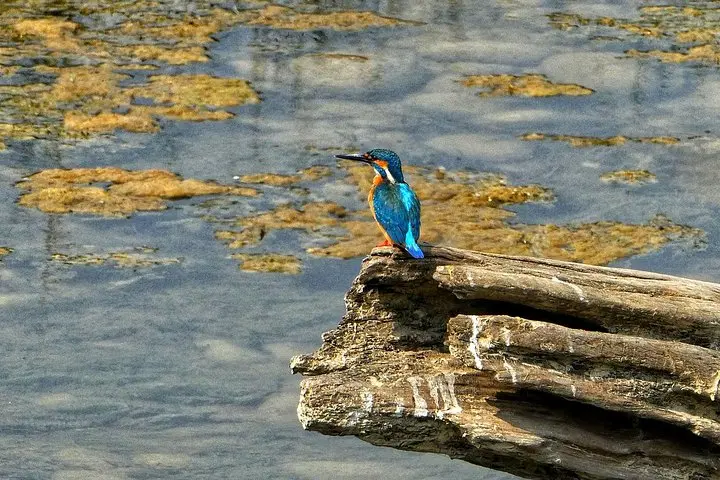
Morning light slides across Phewa Lake and the reedbeds stir as the first kingfisher darts like a blue arrow. On a three-hour guided birdwatching tour in Pokhara you move between wetlands and wooded trails where water and forest compete for the sky’s attention — Begnas and Phewa’s shallow edges call migratory waterfowl, while the slopes around the World Peace Stupa harbor woodland species.
Verified experiences and guided adventures in the surrounding area.
Operated by Peak to Peak Tours and Treks Pvt Ltd · Pokhara, Gandaki Province
Morning light slides across Phewa Lake and the reedbeds stir as the first kingfisher darts like a blue arrow. On a three-hour guided birdwatching tour in Pokhara you move between wetlands and wooded trails where water and forest compete for the sky’s attention — Begnas and Phewa’s shallow edges call migratory waterfowl, while the slopes around the World Peace Stupa harbor woodland species.
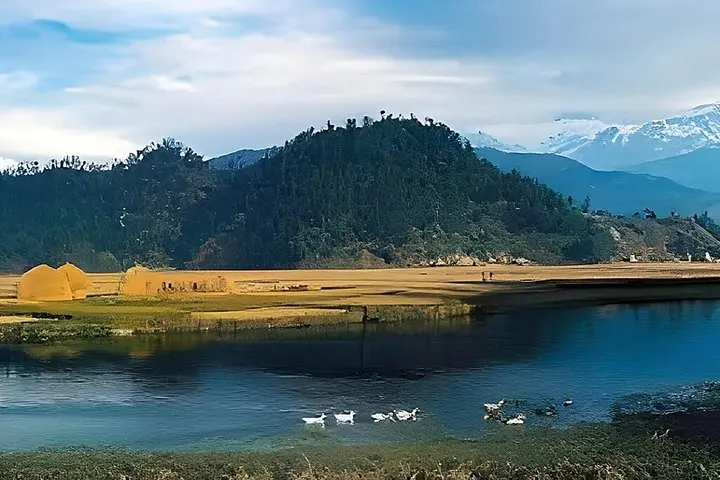
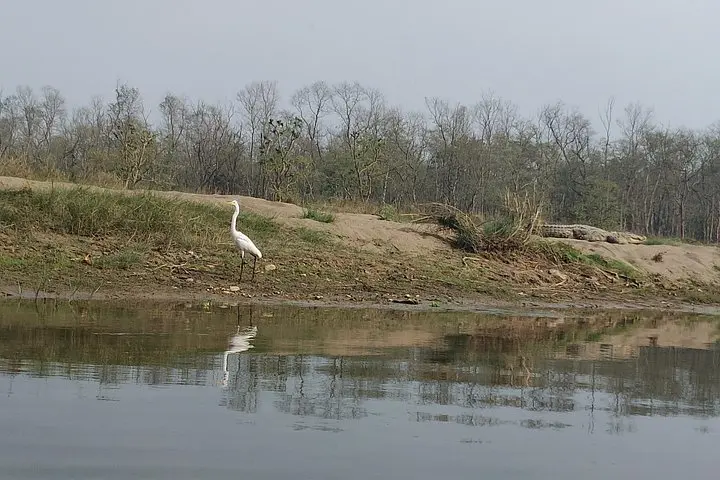
Pokhara’s geography — a bowl of lakes hemmed by the Annapurna foothills — creates diverse microhabitats. The lake margins and marshy patches are prime for herons and egrets; the hill trails, shaded and rocky, yield bulbuls, woodpeckers, and raptors riding thermal lifts. Culturally, the stupa trails combine quiet pilgrimage paths with local communities whose daily rhythms shape when and where birds are most active.
Expect slow, deliberate walking on flat wetland boardwalks and uneven dirt on the stupa approaches. The tour runs about three hours with private transport included; guides adjust stops by interest and sightings. Best practice: start at first light for peak activity, keep movement minimal, and let the guide call out candidates before you raise optics.
Practical notes: Bring binoculars with 8–10x, a short telephoto lens if shooting, layered clothing for sudden sun or wind, and insect repellent in warmer months. This outing is suitable for most fitness levels but not recommended for guests with serious back or heart conditions; stroller-friendly sections exist but full wheelchair access is limited. Leave no trace: stay on paths and avoid feeding wildlife — the birds here respond best to quiet, patient observers.
The tour lasts approximately three hours and typically covers one or two sites depending on sightings and guide recommendations.
Yes — private transportation between pick-up points and birding sites is included in the tour price.
Yes, children can join; some wetland sections are stroller-accessible, but the tour is not recommended for those with serious back or heart issues or full wheelchair users.
Common sightings include kingfishers, herons, egrets, various bulbuls, woodpeckers, and occasional raptors; waterfowl and migratory species appear seasonally.
Peak to Peak Tours and Treks Pvt Ltd operates guided outdoor trips and adventures with an emphasis on safety, stewardship, and memorable experiences.

Morning light slides across Phewa Lake and the reedbeds stir as the first kingfisher darts like a blue arrow. On a three-hour guided birdwatching tour in Pokhara you move between wetlands and wooded trails where water and forest compete for the sky’s attention — Begnas and Phewa’s shallow edges call migratory waterfowl, while the slopes around the World Peace Stupa harbor woodland species.
Morning light slides across Phewa Lake and the reedbeds stir as the first kingfisher darts like a blue arrow. On a three-hour guided birdwatching tour in Pokhara you move between wetlands and wooded trails where water and forest compete for the sky’s attention — Begnas and Phewa’s shallow edges call migratory waterfowl, while the slopes around the World Peace Stupa harbor woodland species.
Pokhara’s geography — a bowl of lakes hemmed by the Annapurna foothills — creates diverse microhabitats. The lake margins and marshy patches are prime for herons and egrets; the hill trails, shaded and rocky, yield bulbuls, woodpeckers, and raptors riding thermal lifts. Culturally, the stupa trails combine quiet pilgrimage paths with local communities whose daily rhythms shape when and where birds are most active.
Expect slow, deliberate walking on flat wetland boardwalks and uneven dirt on the stupa approaches. The tour runs about three hours with private transport included; guides adjust stops by interest and sightings. Best practice: start at first light for peak activity, keep movement minimal, and let the guide call out candidates before you raise optics.
Practical notes: Bring binoculars with 8–10x, a short telephoto lens if shooting, layered clothing for sudden sun or wind, and insect repellent in warmer months. This outing is suitable for most fitness levels but not recommended for guests with serious back or heart conditions; stroller-friendly sections exist but full wheelchair access is limited. Leave no trace: stay on paths and avoid feeding wildlife — the birds here respond best to quiet, patient observers.