THE ADVENTURE COLLECTIVE® · Independent discovery and booking for outdoor travel

Move through seven floors of invention on a focused three-hour guided tour of London’s Science Museum. Learn the context behind engines, medical devices and early computers, then use practical tips to make the most of your visit.
Move through seven floors of invention on a focused three-hour guided tour of London’s Science Museum. Learn the context behind engines, medical devices and early computers, then use practical tips to make the most of your visit.
The entrance hall hums with quiet curiosity: polished engines, a flight simulator's still cockpit, and cases of gleaming instruments that seem poised to speak. On a three-hour guided tour of the Science Museum in South Kensington you move room to room with a guide who threads context through objects—explaining why a steam engine once powered industry or how a medical device shifted standards of care.
Verified experiences and guided adventures in the surrounding area.
Operated by Londoner · London, England
The entrance hall hums with quiet curiosity: polished engines, a flight simulator's still cockpit, and cases of gleaming instruments that seem poised to speak. On a three-hour guided tour of the Science Museum in South Kensington you move room to room with a guide who threads context through objects—explaining why a steam engine once powered industry or how a medical device shifted standards of care.
Opened as a distinct institution in 1909 after the transfer of science collections from the South Kensington Museum, the Science Museum charts the arc of industrial Britain into the digital age. Its seven floors hold transport, medicine, photography and computing exhibits; the architecture itself is an artifact of Victorian civic ambition sitting opposite the Victoria & Albert Museum.
Geology is present not as rock outcrops but in raw materials: iron and coal that powered steam, the alloys key to aviation, and the chemistry behind conservation. Cultural threads appear in the social impacts—how technology reshaped work, hospitals and everyday life. Local insights include quieter corners on the ground floor where hands-on displays are less crowded, and the Benugo Café for efficient, solid British fare.
Practical guidance: allow a full three hours to cover main galleries without rushing; book timed entry if possible and arrive early to avoid school group peaks. The museum is largely accessible; wear comfortable shoes for hard floors and bring a small bag for purchases from the museum shop. Photography is allowed in most galleries but check signs for special exhibits. For a focused visit, tell your guide which themes—aviation, medicine or computing—you prefer so the tour tailors time where you’ll get the most value.
Guided tour details vary; confirm at booking whether general admission or special exhibition tickets are included.
Yes—the Science Museum is wheelchair accessible with lifts and accessible routes; contact your operator for specific assistance needs.
Children are welcome; family-friendly interactive galleries are available but check the tour operator's age guidance for pacing and content.
Photography is generally allowed in permanent galleries, but some temporary exhibits or displays may prohibit flash or any photography—obey posted signs.
Londoner operates guided outdoor trips and adventures with an emphasis on safety, stewardship, and memorable experiences.

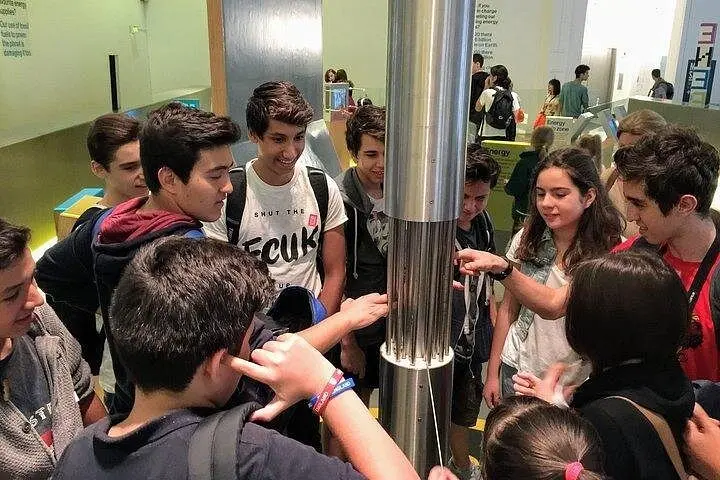
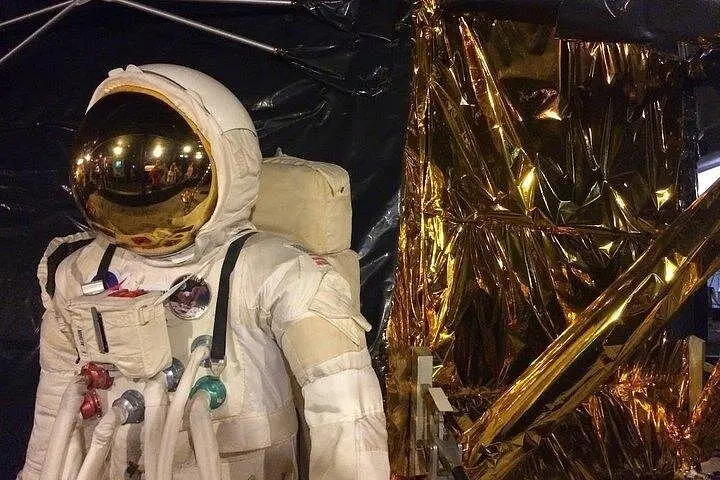
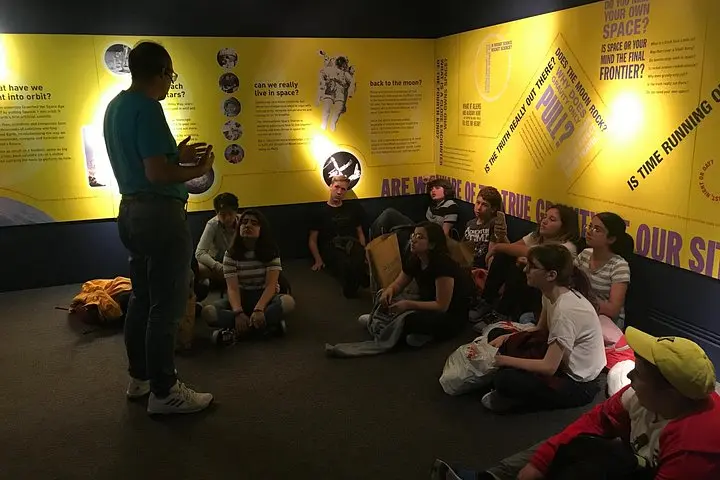
The entrance hall hums with quiet curiosity: polished engines, a flight simulator's still cockpit, and cases of gleaming instruments that seem poised to speak. On a three-hour guided tour of the Science Museum in South Kensington you move room to room with a guide who threads context through objects—explaining why a steam engine once powered industry or how a medical device shifted standards of care.
The entrance hall hums with quiet curiosity: polished engines, a flight simulator's still cockpit, and cases of gleaming instruments that seem poised to speak. On a three-hour guided tour of the Science Museum in South Kensington you move room to room with a guide who threads context through objects—explaining why a steam engine once powered industry or how a medical device shifted standards of care.
Opened as a distinct institution in 1909 after the transfer of science collections from the South Kensington Museum, the Science Museum charts the arc of industrial Britain into the digital age. Its seven floors hold transport, medicine, photography and computing exhibits; the architecture itself is an artifact of Victorian civic ambition sitting opposite the Victoria & Albert Museum.
Geology is present not as rock outcrops but in raw materials: iron and coal that powered steam, the alloys key to aviation, and the chemistry behind conservation. Cultural threads appear in the social impacts—how technology reshaped work, hospitals and everyday life. Local insights include quieter corners on the ground floor where hands-on displays are less crowded, and the Benugo Café for efficient, solid British fare.
Practical guidance: allow a full three hours to cover main galleries without rushing; book timed entry if possible and arrive early to avoid school group peaks. The museum is largely accessible; wear comfortable shoes for hard floors and bring a small bag for purchases from the museum shop. Photography is allowed in most galleries but check signs for special exhibits. For a focused visit, tell your guide which themes—aviation, medicine or computing—you prefer so the tour tailors time where you’ll get the most value.